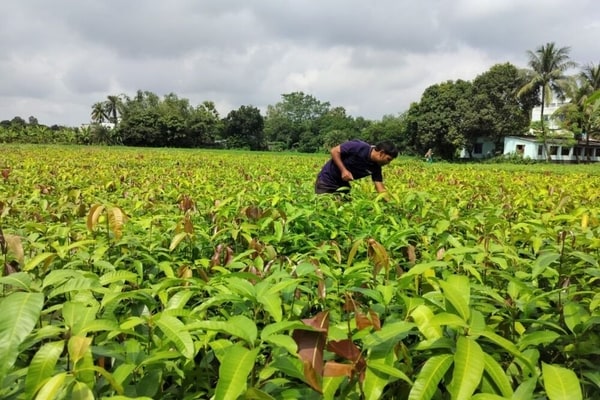

Zerolys introduced Phyber, a biomaterial made from engineered plant fibres designed for rigid packaging containers. The debut positioned Phyber for use in bottles, tubes and jars, featuring a fibre-based formulation aimed at replacing fossil-derived plastics in consumer packaged goods.
The material was presented with manufacturing compatibility in mind, intended for standard forming and filling lines so brands can adopt it without retooling. Early examples cited CPG formats such as personal care tubes and small jars, and the announcement framed Phyber as part of Zerolys’s broader push into bio-based packaging.
For consumers, Phyber promises packaging that reduces reliance on petrochemical plastics while maintaining familiar container formats and performance. As brands seek lower-carbon and bio-based options, fibre-based rigid containers like Phyber could streamline sustainable swaps across mainstream CPG products.
Image Credit: Zerolys
Why This Trend Is Growing
- Fibre-based Rigid Packaging
- Rigid containers made from engineered plant fibres that mimic the form and function of traditional plastic jars and tubes could displace petrochemical-based formats across many product lines.
- Manufacturing-compatible Biomaterials
- Biomaterials engineered for compatibility with existing forming and filling lines create opportunities to swap feedstocks without major capital expenditure on production equipment.
- Mainstream Bio-based Substitution
- Consumer-facing formulations of bio-based packaging designed to match performance expectations may accelerate large-scale substitution of fossil-derived plastics in everyday CPG items.
Industries Being Reshaped
- Personal Care
- Skincare and cosmetics brands that require tubes, jars and bottles could see packaging redesigns that reduce carbon intensity while preserving product delivery and shelf appeal.
- Food and Beverage
- Small-format rigid food containers and condiment dispensers present avenues for replacing single-use plastics with fibre-based materials that meet hygiene and barrier needs.
- Consumer Packaged Goods
- Large-scale CPG manufacturers handling mass-market toiletries and household items may experience supply-chain shifts as bio-based rigid containers enable portfolio-wide sustainability claims.