Category
Lifestyle
Assisted Choices
Surreal packaging offers consumers a temporary detachment from reality.
Trend
Branding Whimsicality: Moving away from descriptive aesthetics, brands are turning to whimsical imagery to enhance visual engagement. Referencing fairytales and childhood stories, these products offer a visual escape from reality, combining familiar imagery with the need for more relatable marketing tactics.
Trend themes
Brands are turning to whimsical imagery to enhance visual engagement, referencing fairytales and childhood stories to offer a visual escape from reality.
Brands are using surreal, dreamlike imagery to appeal to consumers seeking products that offer a departure from the everyday.
Designs inspired by fairy tales and fables are on the rise, appealing to consumers looking for a playful and imaginative experience.
Industry implications
Whimsical packaging and fantasy-inspired branding can offer a way to differentiate food and beverage products in a crowded marketplace.
Surreal and fantasy-inspired designs can create a unique and memorable brand identity for entertainment companies and products.
Whimsical and surreal designs can create a sense of playfulness and appeal to consumers seeking new and unconventional products in the fashion and beauty industry.
Trend signals
Trend score 2.7 out of 10, from popularity 47%, activity 26%, freshness 8%.
Evidence
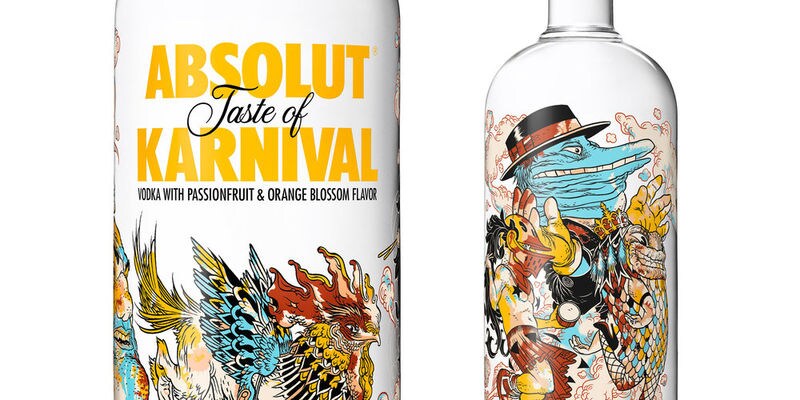
Let Your Imagination Run Wild with the New Absolut Design
Disruptive innovation opportunity: Develop innovative packaging designs and limited edition flavors to appeal to consumers seeking unique and enjoyable drinking experiences.
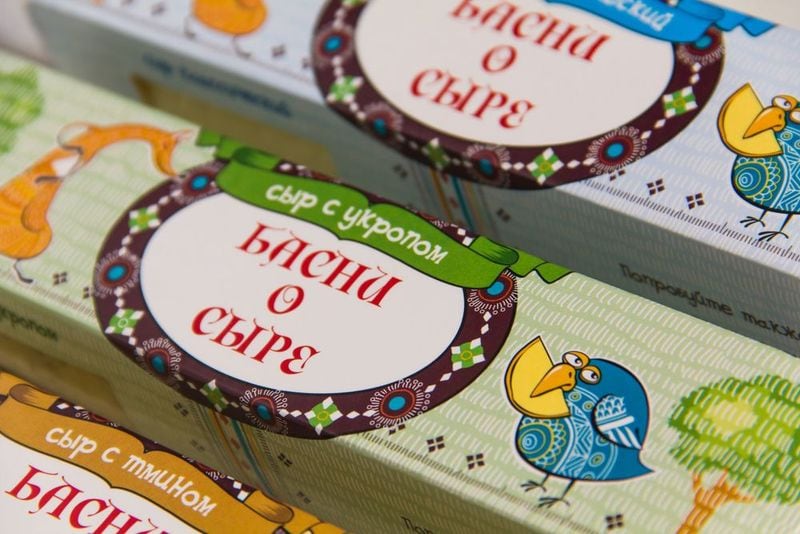
Cheese Fables' Cheese Packaging Design is Inspired by a Classic Story
Food and beverage companies can explore whimsical packaging design to stand out on store shelves and attract customers.
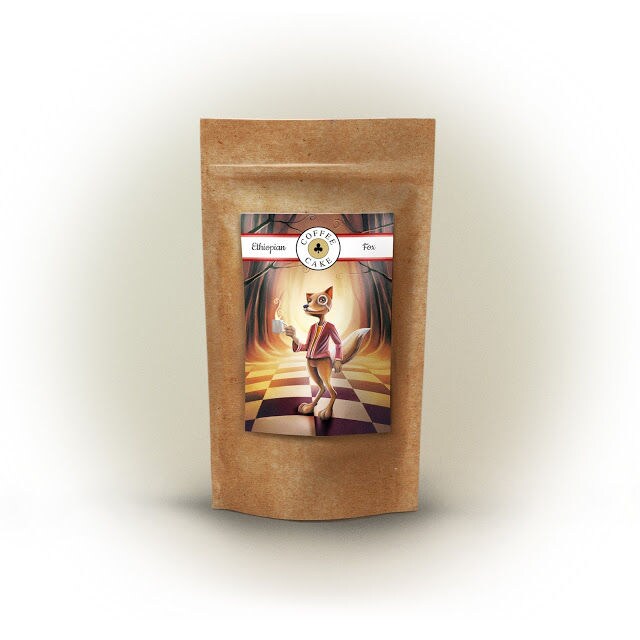
Whimsical Animals Personify Each Type of Coffee Cake Blend
Potential for coffee and tea companies to adopt unique and creative packaging strategies inspired by whimsical characters to stand out in the market.
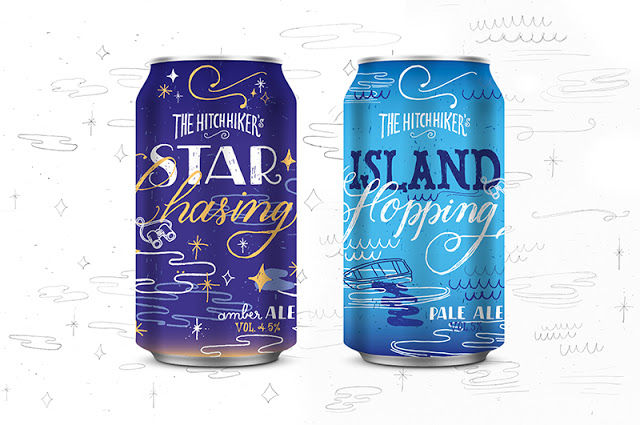
The Hitchhiker Beer Can Designs Are Inspired by World Travellers
Opportunity to disrupt the alcoholic beverage industry with unique and visually captivating beer can designs inspired by travel.