
Category
Eco
Ownership Ease
Instead of decreasing pollution, tech innovations aid environmental cleanup.

What's Happening
Assisted Preservation: As the level of air and ocean pollution reaches new highs, innovations that aid in the cleanup of the environment are rebranding eco-consciousness as a solvable problem that doesn't necessarily have to involve a decrease in consumption. Massive air purifiers and ocean tide simulators solve the problems associated with modern human life, but also offer solace that the very problems created can be solved with feasible solutions.
Evidence
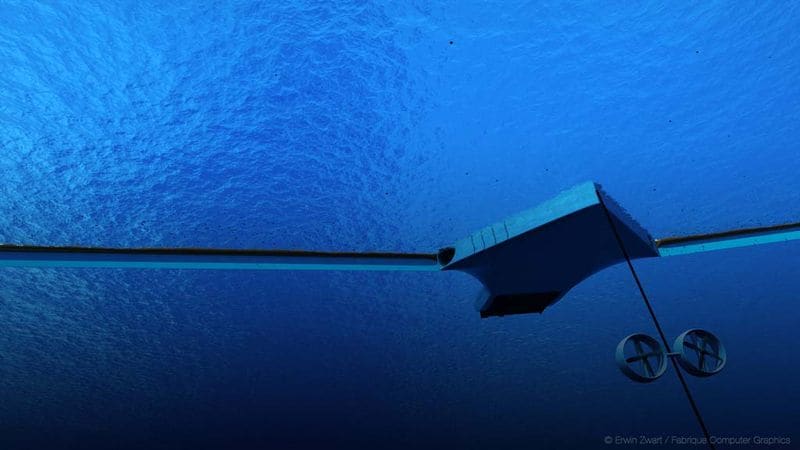
The Ocean Cleanup Concept Could Eliminate the Oceanic Garbage Patch
The growing sector of environmental technology that focuses on developing innovative solutions for oceanic waste cleanup and pollution control.
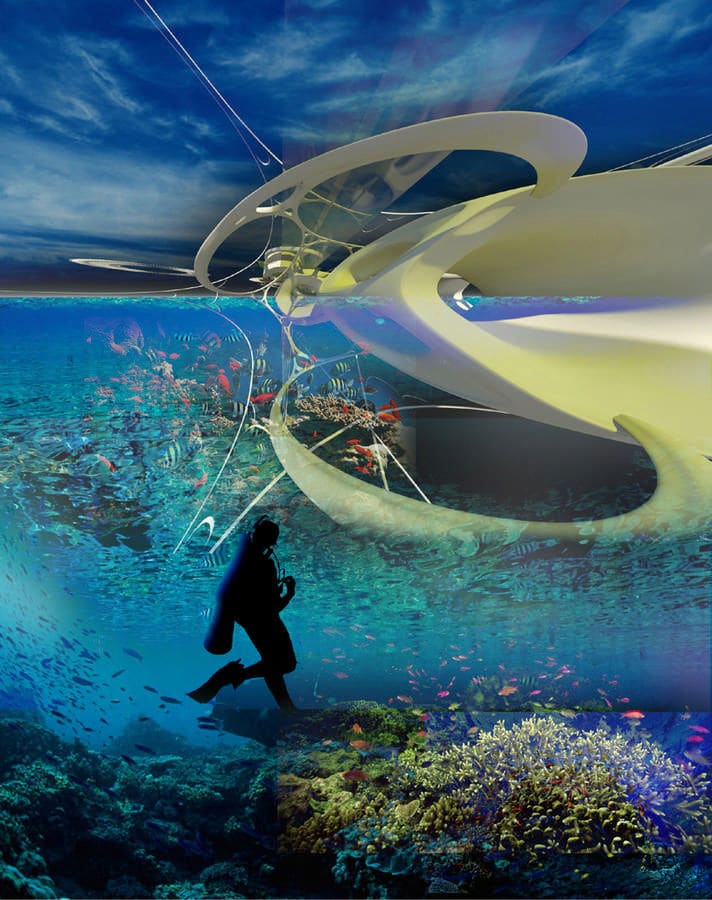
The Electric Coral Reef Station by Margot Krasojevic Buffers Waves
Disruptive innovation opportunity: Develop sustainable and scalable solutions for protecting and preserving natural environments.
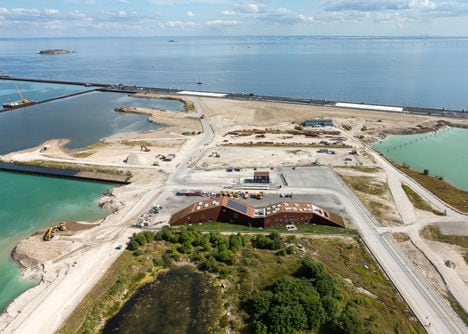
This Copenhagen Soil Treatment Center Resembles Mud Piles
Disruptive innovation opportunity: Provide specialized services and technologies for soil treatment and remediation.
The Daan Roosegaarde Smog Vacuum Aims to Quickly Clean Up Beijing's Skies
Disruptive innovation opportunity: Revolutionize the air purification industry by introducing innovative and efficient smog vacuum systems.
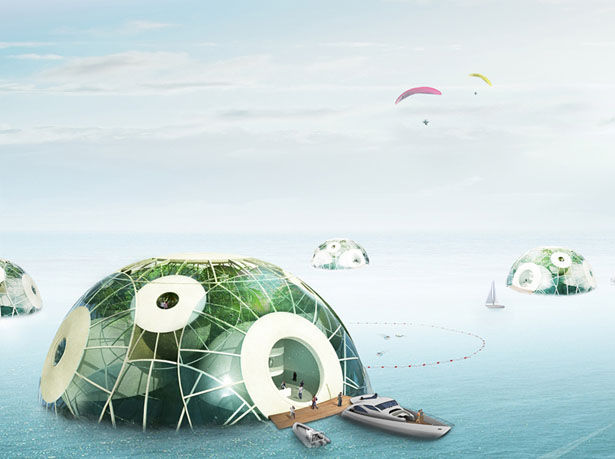
The Bloom Aquatic Farm Makes Oxygen and Revives Ocean Dead Zones
The concept of floating farms opens up possibilities for agricultural practices in water-based environments, promoting food security and sustainable farming methods.
Trend signals
Trend score 4.0 out of 10, from popularity 66%, activity 47%, freshness 8%.
Trend themes
Innovations that aid in environmental cleanup are being developed using technology.
Cleansing, purifying, and protecting the oceans are becoming increasingly important.
Eco-friendly innovations are being developed with goals to eliminate pollution.
Industry implications
Environmental technology refers to the use of innovative technology to conserve natural resources.
Ocean conservation consulting helps individuals and firms protect marine habitats.
Green technology development encompasses products and services that have less negative impact on the environment.