



Category
Tech
Delegated Interfaces
As face time dwindles, consumers turn to apps for help expressing feelings.
Trend
App-Enabled Emoting: Digital interaction has created a generation awkward when it comes to face-to-face socializing, which has resulted in apps that coach them on how to interact. This shift towards digital social direction identifies consumer preference for autonomy and guidance throughout even the most rudimentary of actions.
Trend themes
Apps that coach users on how to interact identify consumer preference for autonomy and guidance, resulting in a shift towards digital social direction.
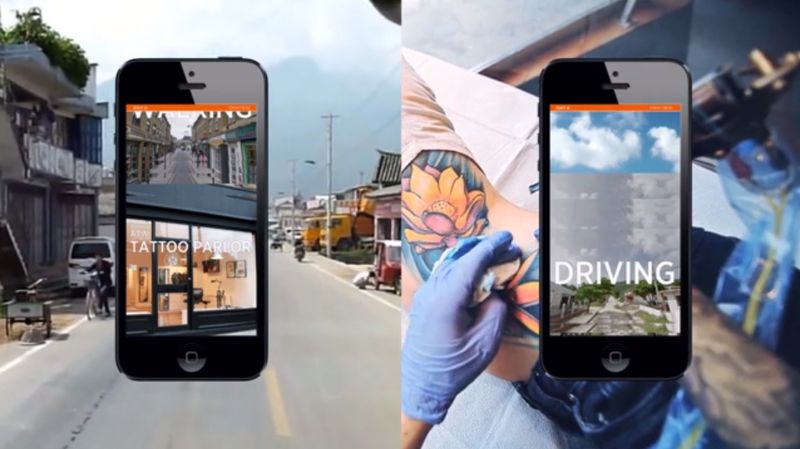
AI-based apps like 20 Day Stranger help people build empathy by connecting two anonymous strangers and sharing their daily experiences for a set period.
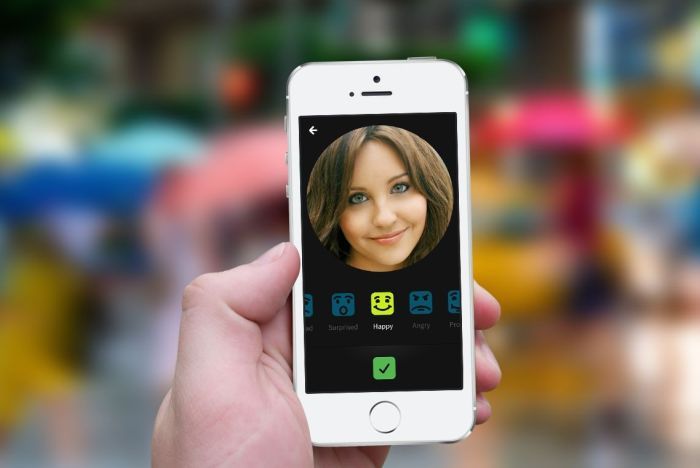
Apps like Xpress that use facial recognition to allow users to send emotional selfies open new opportunities for personal messaging.
Industry implications
Apps that coach users on socializing can spark the growth of a new digital coaching industry.
AI-based solutions that automate socializing can emerge as a new industry to address the growing problem srelated to face-to-face communication.
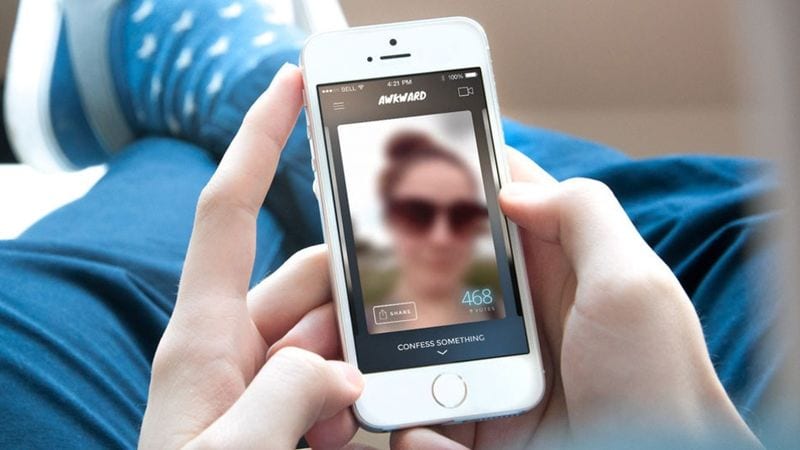
The trend towards anonymous social networks like Awkward app can create new use cases and opportunities for social networking platforms.
Trend signals
Trend score 4.6 out of 10, from popularity 83%, activity 48%, freshness 8%.
Evidence
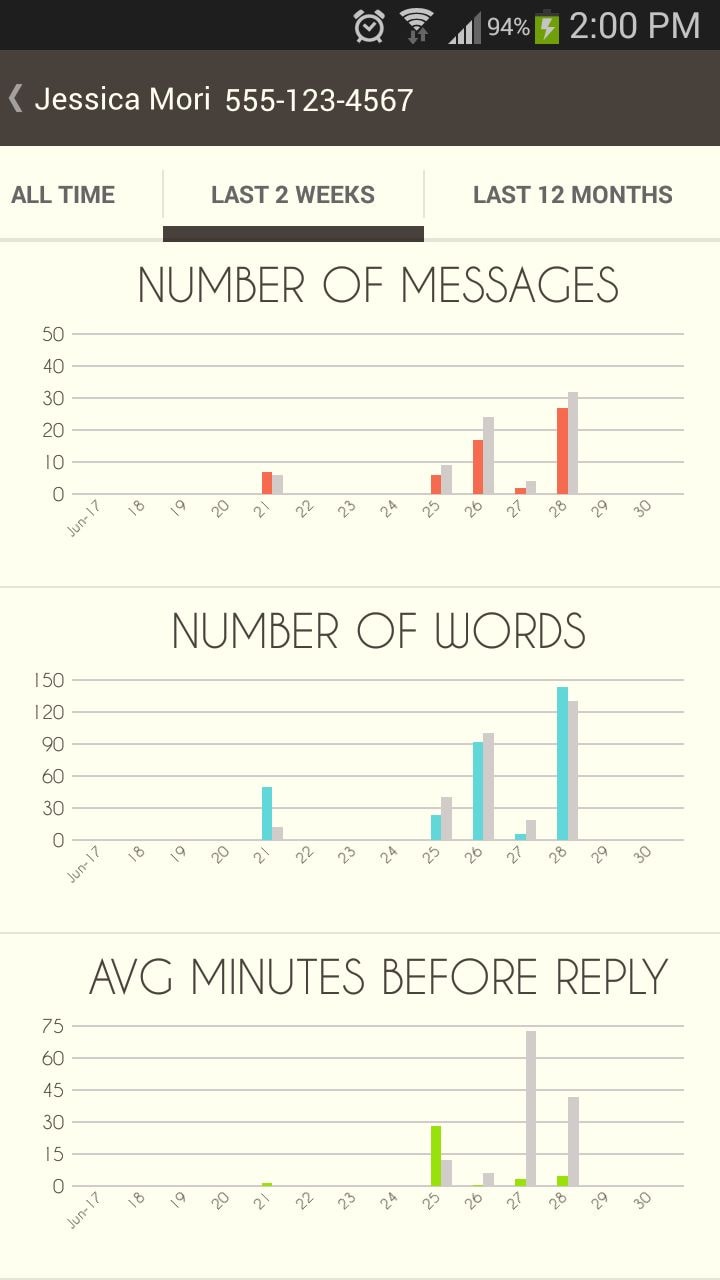
The Texty Time App Shows When to Text Back or If You're Too Clingy
Text analysis apps present opportunities for marketing industries to personalize communication with their customers, leading to better engagement and conversion rates.
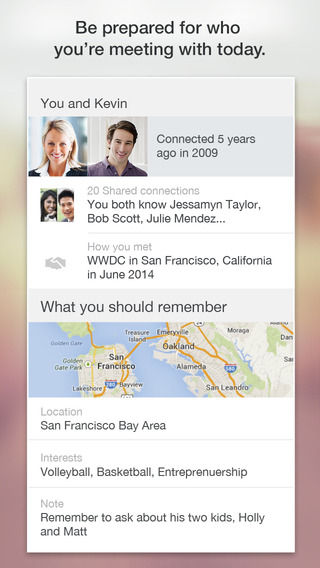
LinkedIn's Connected App Strengthens Business Relationships
The mobile app development industry can capitalize on the opportunity to create innovative networking apps with personalized features and real-time updates.
The Xpress App Uses Replaces Emojis with Your Own Expressive Selfies
The Xpress app disrupts the messaging app industry by introducing facial recognition and real-time emotional expression as a new way of communication.
The Awkward App Lets You Record Anonymous Video Confessions to Friends
The mental health and wellness industry can leverage the trend of anonymous video confession apps to provide support and resources for individuals seeking emotional release and as…
20 Day Stranger Allows Anonymous Strangers to Share Experiences
As app technology continues to evolve, there is a significant opportunity for developers to create more empathy-building apps like 20 Day Stranger.






