

Category
Tech
Deskside Sound
Companies make machine decisions easier to trace and challenge.



What's Happening
Audit Trails: Businesses are rolling out enterprise AI systems that do more than generate answers; they log actions, apply policy rules, and create records that teams can review after the fact. This is especially visible where software is influencing approvals, product choices, or compliance-sensitive work to help firms move faster with automation without fully removing human judgment.
Why It's Happening
End users are becoming more comfortable with software that narrows options and handles routine cognitive work, but they are still less likely to accept invisible decisions they cannot inspect or reverse. When AI affects access, price, service, or choice, accountability matters. Firms also face a practical tension: they want the efficiency of automation, but they cannot afford customer confusion or regulatory friction. As such, systems that can show their logic and limits are better aligned with current expectations.
Evidence
Centric Software Unveils Centric AI NRF 2026
AI decision platforms support retailers with faster assortment planning, improved sell-through forecasting and more responsive product development cycles.
Cognizant Introduces AI Nexus for Cost and Quality Control
Integrated AI management platforms represent a growing category for software providers serving organizations with complex automation and oversight needs.
CINC Connects AI with Community-Wide Context
Community and property operators are gaining new efficiency potential from AI systems that connect resident requests, financial data and board materials within unified management…
MethodSense Automates Medical Device Regulatory Workflows
Device makers benefit from integrated compliance platforms that streamline submissions, quality oversight and risk management while supporting faster product development cycles.
Workshop question
How could your brand make automated decisions easier for people to understand, question, or overturn?
Trend themes
Enterprise software is increasingly recording decisions, permissions, model activity and business context, creating room for systems that make automated outcomes easier to audit, explain and contest.
AI platforms are taking over repetitive cognitive tasks while preserving human approval points, leaving space for tools that balance speed with judgment, escalation and exception handling.
Organizations are embedding policy rules, cost controls and compliance logic into AI operations, pointing to new value in platforms that manage risk, accountability and performance across automated work.
Industry implications
Business platforms that combine workflow automation with transparent records are reshaping how companies manage productivity, oversight and operational accountability.
Compliance-heavy sectors have growing demand for AI systems that can interpret requirements, document actions and support reviewable decisions across complex approval environments.
Advisory, consulting and managed service firms are being influenced by AI layers that convert institutional expertise into scalable, monitored and auditable digital workflows.
Trajectory
Latest reading 6.8 for the week of Oct 19, 2026. Rising over the final 3 scored weeks (+0.5), at its peak of 6.8. Momentum 3.6/10, persistence 10.0/10, backed by 4 research findings.
24 Trend Hunter articles were grouped into the wider weekly cluster this trend was identified in, over 5 weeks.
 Global HR Compliance ModelsDeel Adds Pangaea to Answer Country-Specific HR Questions
 AI Workplace PlanningFreespace Introduces Space Manager for Hybrid Offices
 Small Business AI WorkspacesGoogle Gives Gemini a Business Landing Page for Branding and Finances
 Revenue-Linked Campaign SoftwareJustAI Measures Campaigns by Revenue Instead of Clicks
 Human-Approved Finance AI ControlsBILL Adds an AI Hub and Pre-Payment Invoice Checks
 AI Insurance AnalyticsAAI's Agency Gauge Turns Insurance Data into Actionable Insights
 AI Freelance Management PlatformsHoonr Unifies Global Freelancer Sourcing and Compliance
 AI Childcare Agentsillumine Automates Enrollment, Billing and Classroom Tasks
 AI-Powered Revenue CyclesPenguin Ai Automates Claims and Denial Workflows
 Governed AI-Powered Workflow PlatformsEntrinsik Offers Informer Apps and Informer GO App
 AI-Powered Dental BillingSensei and Zentist Automate EOB and Denial Management
 Governed Satellite AIST Engineering iDirect Adds Controls for AI-Driven Network Operations
 Agentic Supply Chain PlatformsExiger Automates Procurement and Compliance with AI Agents
 AI-Native PlatformsAragon Research Has Introduced Its Research and Advisory Platform Aragon One
 Probabilistic Demand Intelligence EnginesOptilogic Has Launched Its Pulsar Demand Modeling Engine
 Agentic Restaurant OrderingDeliverect and Bounteous Connect AI Ordering with Fulfillment
 AI Grocery AssistantsShipt Turns Prompts and Photos into Personalized Shopping Carts
 Cross-Channel AI AgentsRingg AI Preserves Customer Context Across Enterprise Workflows
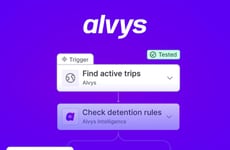 Agentic Freight Management PlatformsAlvys Foundry Embeds Custom AI Agents into Freight Workflows
 Conversational Network Planning ToolsEDOTCO's NaPA GPT Uses AI to Streamline Tower Planning
Research
Agentic Assortment
The next fight in retail is not only to be chosen by shoppers, but to be selected by their software.
As agents take on search, comparison, and even basket-building, brands need product data, reviews, and trust signals that work for both humans and machines. This changes merchandising from persuasive display to machine-optimized relevance.
AI Planning Layer
Consumers are increasingly comfortable letting AI do the front-end cognitive work of narrowing choices, summarizing options, and organizing next steps.
The appeal is not novelty; it is relief from overload in categories where the number of possible choices, price comparisons, and planning variables has become exhausting.
Agentic Shelf
The next commerce battle may not be won on the webpage or the app, but inside the interfaces that shop on the consumer's behalf.
That creates a new tension for brands: they want the efficiency of agents, but risk losing direct access to intent, differentiation, and merchandising influence. Retailers now need to merchandise not only for humans, but for machines that interpret and act on shopper preferences.
Agentic Shopping Gap
Consumers are comfortable letting AI do the heavy lifting of product research and comparison, but they still want to press the final “buy” button themselves.
Trust, liability, and habit all slow the shift from recommendation to autonomous transaction. Brands that treat AI as a research assistant rather than an invisible buyer—providing transparent explanations, clear options, and easy human override—will better match current comfort levels and gradually earn permission for more automated behaviors.