JustAI's full-stack marketing system uses one-to-one AI agents to build, send, and evaluate campaigns by revenue instead of clicks. Designed for marketers and lifecycle teams, it combines customer records, creative work, delivery, and measurement in a single AI-based product used in education and financial services.
The software estimates impact by comparing customers who received a message with similar customers who did not, giving teams an incremental revenue readout. At Acorns, the agents made more than 1,000 decisions across 65 million messages, tailoring content to each customer's behavior and language.
Incremental revenue reporting turns AI-led marketing into a spending case, not just a creative workflow, for teams that have to prove return. Keeping delivery, creative, and QA in one system also cuts rule-writing and manual checks, which suits leaner lifecycle teams.
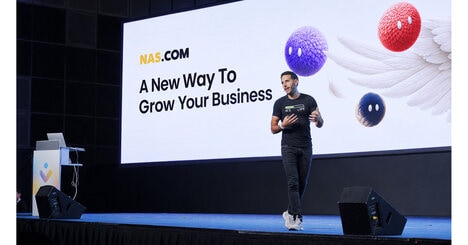
Image Credit: Team JustAI
What Makes This Trend Stand Out
- Revenue-based Attribution
- Marketing teams gain a clearer business case when campaign performance is tied to incremental revenue rather than proxy engagement metrics like clicks.
- Agentic Lifecycle Marketing
- AI agents that personalize messaging decisions at scale create new efficiencies for lean teams managing complex customer journeys.
- Unified Campaign Operations
- Consolidating customer data, creative production, delivery, QA, and measurement into one platform reduces fragmentation across marketing workflows.
Sectors Adopting This
- Marketing Technology
- Revenue-linked AI platforms reshape martech by positioning campaign software as a profit measurement system rather than only an automation tool.
- Financial Services
- Behavior-based messaging systems support financial brands in delivering personalized communications while measuring direct customer revenue impact.
- Education Technology
- AI-driven lifecycle campaigns give education providers more precise ways to engage prospects and students while validating enrollment-related returns.