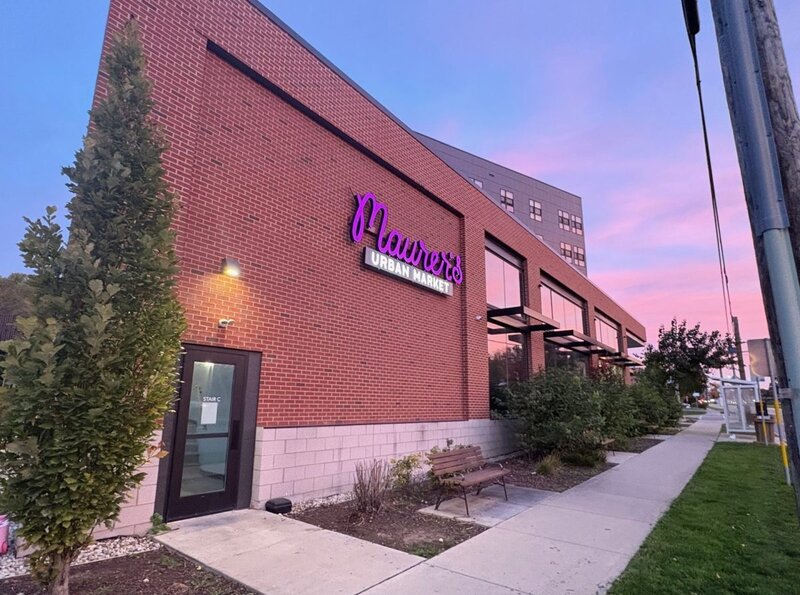
Kristie Maurer opened Maurer's Urban Market in Madison, Wisconsin, on Oct. 10, bringing a 25,000-square-foot grocery store to South Madison with a warmer, department-led layout. The design helps neighborhood residents move through distinct sections for regular food trips without losing the feel of a local market.
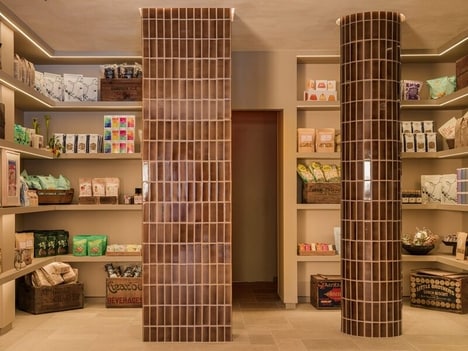
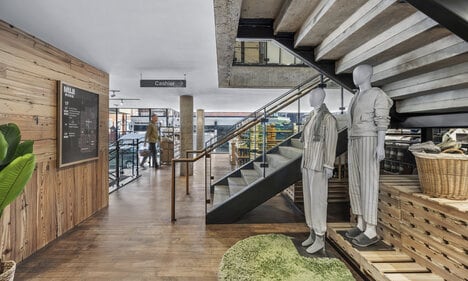
Half the floor sits under 8-foot ceilings before opening into 19-foot perimeter space, creating a reveal as shoppers move deeper into the store. Caper Carts and electronic shelf labels cut routine labor and help staff handle lunch runs and full grocery trips.
A 25,000-square-foot store under 150 affordable housing units and beside a transit stop turns grocery retail into a built-in service for a mixed-use block. Putting an independent grocer into dense housing widens where the format can fit in cities with daily foot traffic.
Image Credit: Maurer
What Makes This Trend Stand Out
- Mixed-use Grocery Anchors
- Grocery stores embedded beneath housing and near transit create new models for daily essentials that serve residents, commuters, and compact urban neighborhoods.
- Warm Department-led Retail
- Distinct food departments and layered ceiling heights bring a market-like atmosphere to smaller urban grocery formats while improving shopper flow and discovery.
- Labor-light Store Technology
- Smart carts and electronic shelf labels reduce repetitive store tasks, allowing compact retailers to support both quick meals and full grocery trips with leaner operations.
Sectors Adopting This
- Grocery Retail
- Independent grocers can expand into dense city blocks by adapting store footprints, layouts, and service models to neighborhood-scale demand.
- Real Estate Development
- Mixed-income housing projects gain stronger everyday utility when food retail is integrated as an amenity that supports walkable community living.
- Retail Technology
- Automation tools for pricing, navigation, and checkout are becoming central infrastructure for smaller stores balancing convenience with local service.