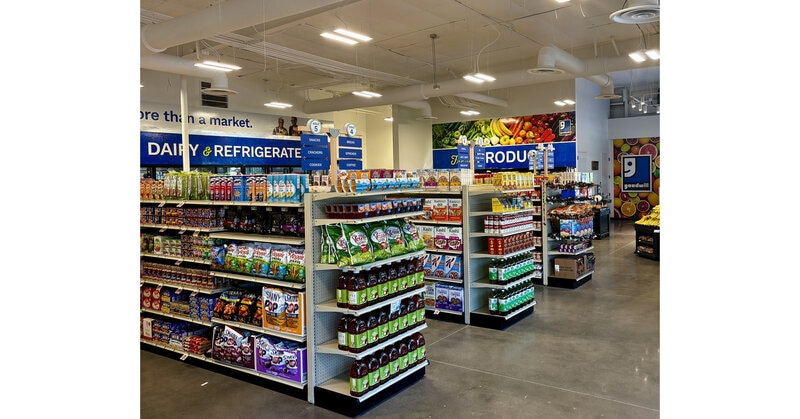
Goodwill Industries of Eastern North Carolina introduced the Goodwill Community Cupboard, a 7,600-square-foot food market inside the Brantley Tillman Opportunity Center in Aurora. The market is part of GIENC's Goodwill Feeds initiative and is designed to provide access to healthful food, featuring fresh produce, proteins, non-perishable staples and other grocery items. It ties the organization's education, employment and life-enrichment pillars into a single community resource.
The Community Cupboard includes a dedicated community room for STEAM activities and programs aimed at local engagement and learning. The site complements GIENC's existing employment and donation services in the region and is positioned to support workforce development and local non-profit partnerships. The market targets areas identified as food deserts by improving proximity to affordable, nutritious options.
For shoppers, the market reduces travel barriers to fresh food and creates a neighborhood hub for learning and services. Families gain steadier access to ingredients that support school performance and adult work reliability, while seniors can better maintain independence. The program models a non-profit approach to combining food access with education and employment support.
Image Credit: Goodwill Industries of Eastern North Carolina (GIENC®)
What Makes This Trend Stand Out
- Mission-driven Grocers
- Non-profit food markets are evolving into multi-service community anchors that merge nutrition access with education, employment support and local engagement.
- Food Desert Hubs
- Localized grocery formats in underserved regions create space for new models that reduce travel barriers while improving access to affordable fresh food.
- Integrated Service Markets
- Hybrid market concepts that combine shopping, programming and workforce resources point to more holistic approaches for supporting household stability.
Sectors Adopting This
- Non-profit Services
- Community organizations are expanding beyond traditional aid models by embedding essential retail, learning spaces and partnership opportunities in one location.
- Grocery Retail
- The rise of purpose-led food markets highlights potential for smaller, access-focused retail formats designed around affordability, proximity and public benefit.
- Workforce Development
- Food access initiatives connected to employment centers suggest stronger links between basic needs support, job readiness and long-term economic participation.