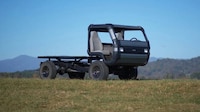
AI-supported automotive manufacturing is helping Scout Motors prepare for vehicle production at its new facility in Blythewood, South Carolina. The company has begun assembling validation vehicles, using automated equipment and intelligent monitoring systems to evaluate manufacturing accuracy before moving toward full-scale operations.
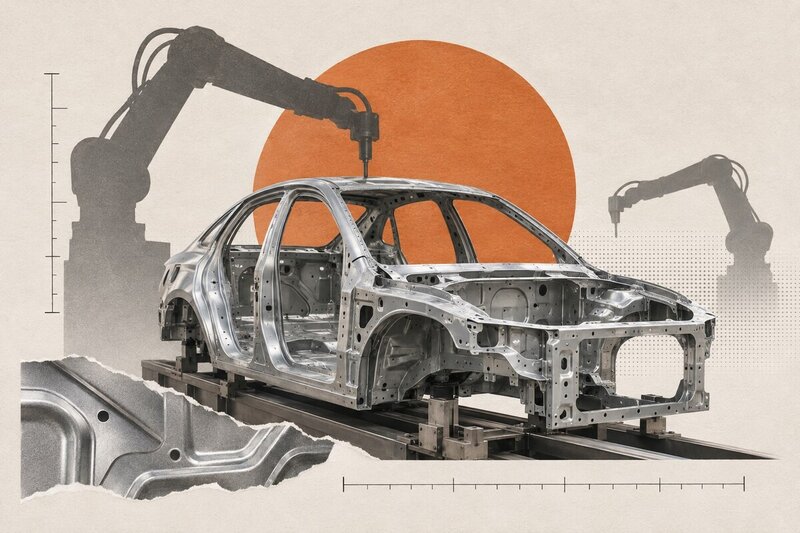
The facility's Body Shop uses more than 750 robots to assemble approximately 160 components into each vehicle body, requiring around 5,000 weld points. AI-assisted inspections and precision measurement technology help identify defects and verify engineering requirements. An electrified Paint Shop also supports the company's efforts to reduce carbon dioxide emissions.
For Scout Motors, early testing could prevent costly manufacturing issues and improve production consistency ahead of planned customer deliveries in 2028. The company's investment exceeding $2 billion is expected to create more than 4,000 jobs, while its additional $300 million Supplier Park could strengthen regional supply chains.
Image Credit: AI-generated
Key Themes Behind This Trend
- AI-validated Production
- Intelligent inspection systems are reshaping factory readiness by detecting defects earlier and improving consistency before high-volume manufacturing begins.
- Robotic Body Assembly
- Large-scale robotics integration creates opportunities for faster, more precise vehicle construction across complex weld-intensive production lines.
- Low-emission Paint Shops
- Electrified finishing operations signal a shift toward cleaner automotive manufacturing models that reduce emissions without compromising production quality.
Where This Applies
- Automotive Manufacturing
- AI-supported validation and robotics are enabling automakers to de-risk production launches and improve quality control at scale.
- Industrial Automation
- Demand for advanced robotics, sensors, and monitoring platforms is expanding as manufacturers seek more accurate and adaptive production environments.
- Regional Supply Chains
- Supplier park investments are creating localized manufacturing ecosystems that can improve resilience, shorten logistics routes, and support job growth.