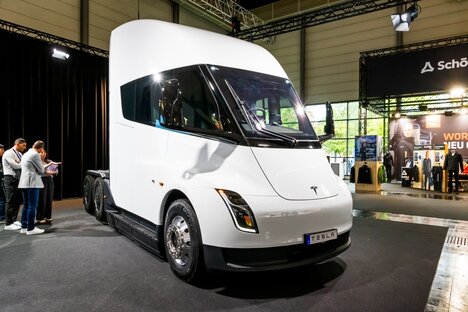
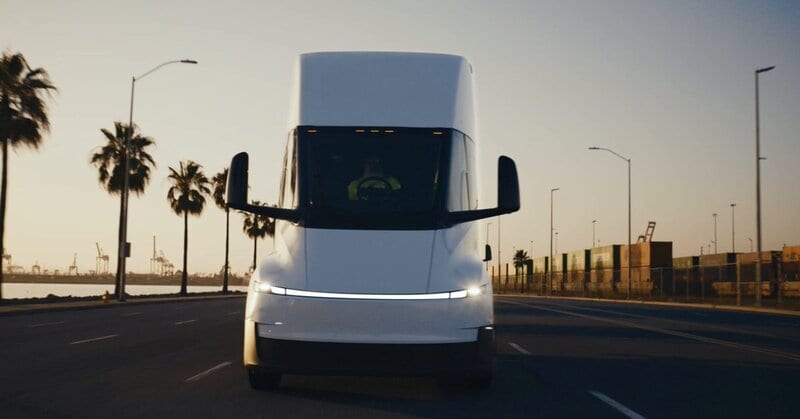
Tesla's 'Semi' has moved into volume production at a dedicated Nevada plant, giving freight fleets an electric Class 8 truck - the heavy rigs used for long-haul freight - that they can plan routes around, rather than treating it as a pilot project. The site is built specifically for the Semi, with one line handling multiple versions of the truck.
A redesign for scaled manufacturing shifts the Semi from a hand-built novelty to a repeatable work tool. Moving to 4680 battery cells, adopting a larger in-house format, and switching to electric steering remove some of the hardware and service points that diesel trucks live with. On Tesla's Megacharger network, the truck can regain up to 60% of its driving range in 30 minutes, which matters because depot time is just as important as headline mileage in freight.
For buyers, this means the electric truck conversation becomes more practical. The question is no longer just whether a Semi can meet range targets, but whether it can keep loads moving with dependable uptime and charging. Competitors now have to answer for a truck that is being built at factory scale and sold on operating math rather than future promises.
Image Credit: Tesla
Key Themes Behind This Trend
- Scaled Electric Freight
- Factory-built Class 8 electric trucks create room for logistics models based on predictable uptime, standardized maintenance, and lower operating-cost assumptions.
- Megawatt Depot Charging
- High-speed charging networks for heavy vehicles reshape freight planning by making dwell time, route density, and energy access central competitive variables.
- Simplified Truck Architecture
- Electric steering, fewer service points, and large-format battery systems signal a shift toward commercial vehicles designed around software-enabled reliability and lower lifecycle complexity.
Where This Applies
- Long-haul Logistics
- Fleet operators gain new pathways to decarbonize freight while comparing electric trucks through utilization, charging availability, and total cost performance.
- Commercial Vehicle Manufacturing
- Established truck makers face intensified pressure as volume-produced electric semis turn electrification from prototype differentiation into a manufacturing-scale benchmark.
- Charging Infrastructure
- Energy providers and infrastructure developers encounter expanding demand for depot and corridor charging systems built specifically for high-capacity freight operations.