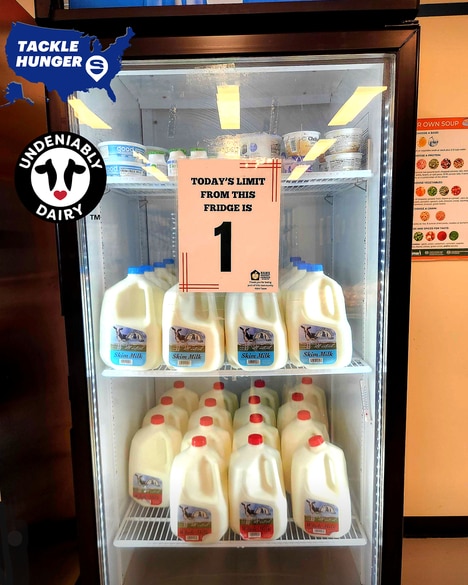
Capacity has partnered with FoodBridge to launch the Hunger Relief & Social Equity Initiative. The goal is to streamline the connection between individuals in need and essential food assistance programs.
This collaboration integrates Capacity's conversational and agentic artificial intelligence with FoodBridge's benefits-enabled e-commerce and distribution tools to create a unified system that automates the entire process from initial intake and eligibility verification to final food delivery. By automating these administrative tasks, the partnership aims to reduce the manual workload on volunteers and employees.
The Hunger Relief & Social Equity Initiative is a direct response to the growing operational strain on hunger relief organizations, which are increasingly burdened by navigating fragmented systems for benefits coordination and distribution with limited staff, all while facing rising demand and declining funding.
Image Credit: Capacity
Why This Trend Is Growing
- AI-powered Hunger Relief
- Conversational and agentic AI systems are reshaping nonprofit food assistance by automating intake, eligibility checks, and service navigation across strained community networks.
- Benefits-enabled Commerce
- E-commerce platforms tied to public benefits infrastructure create new possibilities for seamless food access, distribution tracking, and equitable fulfillment models.
- Automated Social Services
- Administrative automation in social impact programs reduces dependency on manual coordination while improving scalability for organizations facing higher demand and fewer resources.
Industries Being Reshaped
- Nonprofit Services
- Hunger relief organizations gain access to integrated digital systems that modernize volunteer workflows and expand service capacity under funding constraints.
- Food Distribution
- Last-mile food delivery and fulfillment providers can be transformed through eligibility-aware logistics that connect essential goods with verified community needs.
- Civic Technology
- Public benefit coordination platforms are emerging as critical infrastructure for linking residents, nonprofits, and assistance programs through unified digital experiences.