
Category
Tech
Deskside Sound
The enhancement of health through games is taken further.
What's Happening
Wellness Gaming 2.0: Wellness gaming has evolved to include social aspects to not only enhance quality of life in a fun way, but spread the word to a network of people. This ties to a new view of health and wellness as a mark of status, and is especially helpful for brands in the industry looking to make closer connections to their consumer.
Evidence
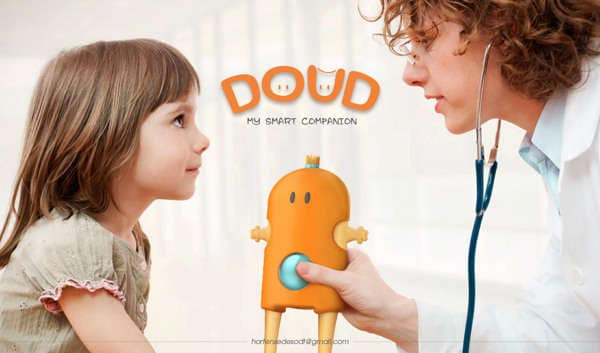
The CHRU DOUD is an Informative and Comforting Friend to Child Patients
The healthcare industry can explore the development of hi-tech medical toys and use them as tools to improve the patient experience, especially for children.
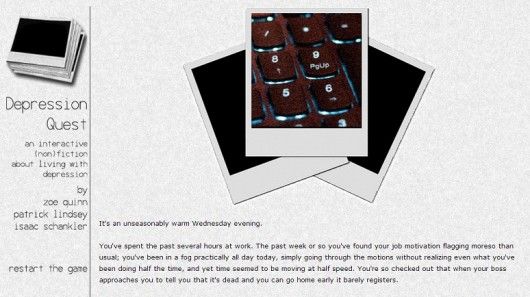
The Depression Quest Game Explores Important Mental Health Issues
The mental health industry can explore creating and integrating more text-based games and gamified therapy resources to help individuals manage their mental health.
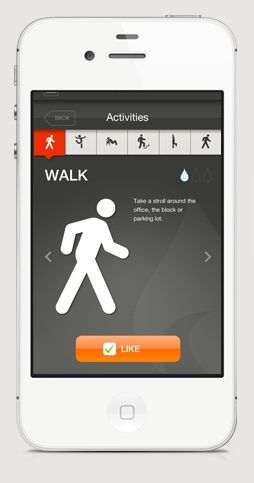
Hotseat Encourages Workers to Stop Sitting and Interact With Each Other
The health and wellness industry can benefit from incorporating interactive and challenge-based apps that encourage greater physical activity.
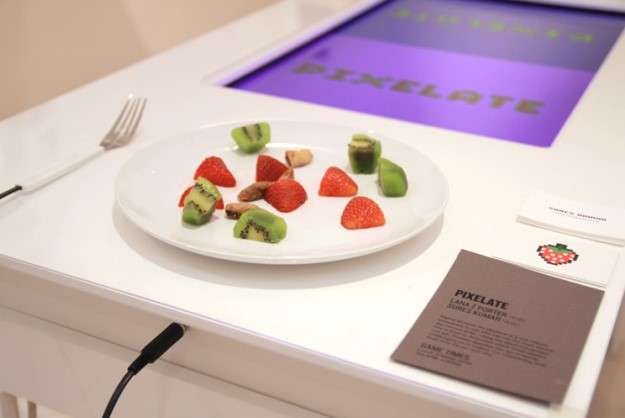
Pixelate by Sures Kumar and Lana Z Porter Makes Diners Compete
The health and wellness industry can leverage gamified technologies and devices to promote nutrition and encourage healthier eating habits.
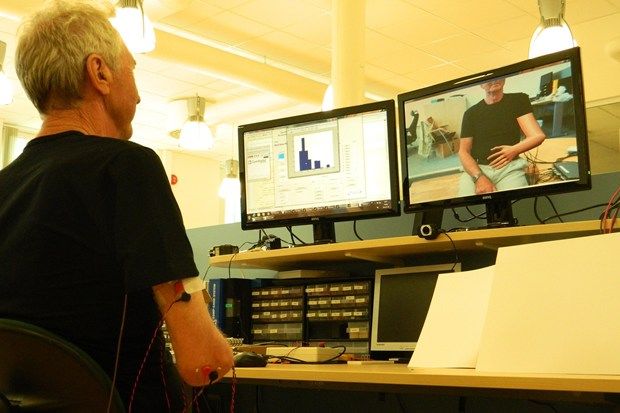
This Augmented Reality Game Allivates Pain in Amputee Patients
Implementing virtual reality and augmented reality solutions for pain management and rehabilitation in the healthcare industry.
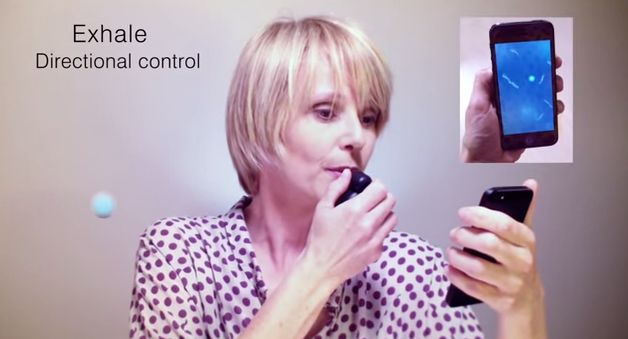
Zenytime Wants to Make Concentrated Breathing Fun
The integration of breath-controlled gaming can create innovative experiences in the gaming industry.
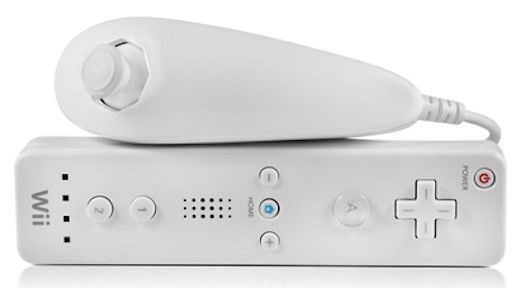
The Nintendo Wii Console is Being Adapted to Help Stroke Victims
Integrating gaming technology into healthcare settings to enhance rehabilitation and therapy for stroke victims.
Trend themes
Wellness gaming has evolved to include social aspects to enhance quality of life in a fun way and to spread the word to a network of people.
Digital games focusing on health, wellness or medical issues provide an engaging way to learn and bring awareness to important health issues.
Using gaming consoles like the Nintendo Wii as part of stroke victim rehabilitation provides a fun, cost-effective and efficient way to help individuals regain movement control.
Industry implications
These trends presented provide wide-ranging opportunities for healthcare organizations to engage with patients in a fun, engaging and innovative manner.
The trends show how the gaming industry can take on a more social and health-focused direction, providing unique and engaging game experiences and narrative.
Gaming, apps, and tools that remotely promote mental and emotional well-being for individuals are fundamental in addressing mental health concerns.
Trend signals
Trend score 3.3 out of 10, from popularity 58%, activity 33%, freshness 8%.