
Category
Lifestyle
Caffeine Remix
Temporary design provides impermanent residences for consumers.
What's Happening
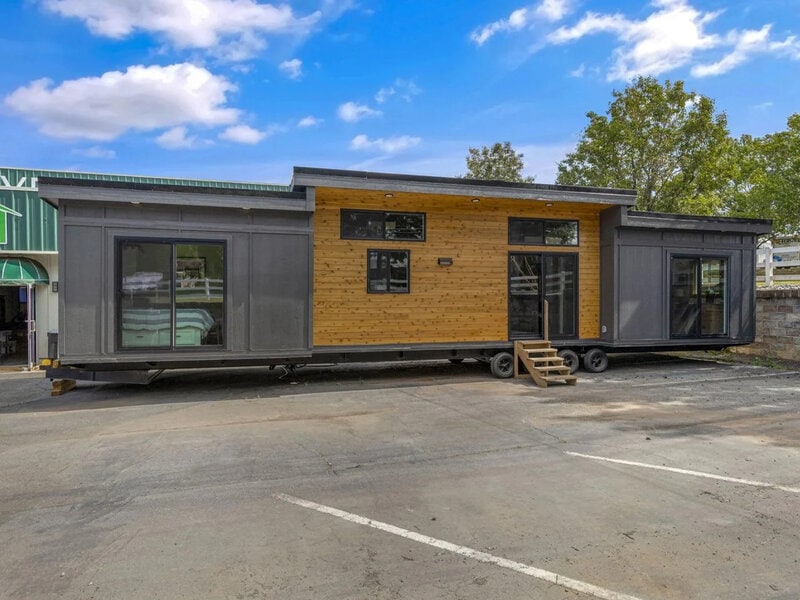
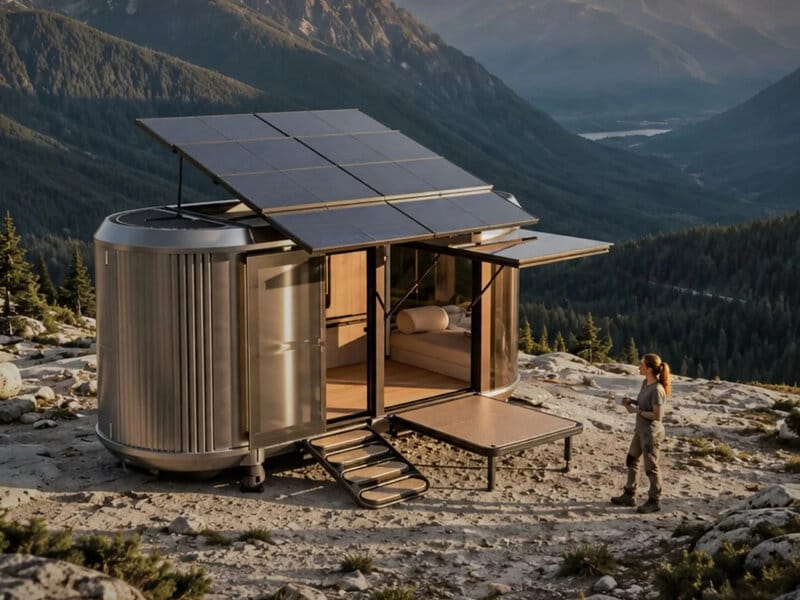
Residential Pop-Up: In spite of the fleeting nature of pop-ups, the temporary spaces are borrowing from residential motifs with spaces suited to an impermanent form of housing. On top of heralding a fresh take on architecture, this sector matches the fast-paced lives of young people, who are accustomed to rapid changes that come of constant advancements in technology.
Evidence
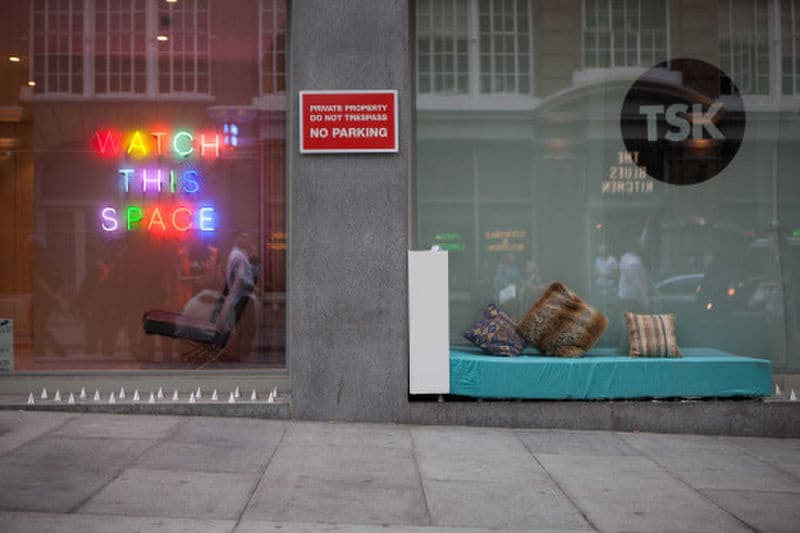
These Activists Created a Cozy Bedroom Set for the Homeless
Opportunity for architects and designers to create innovative, portable shelter designs for homeless individuals.
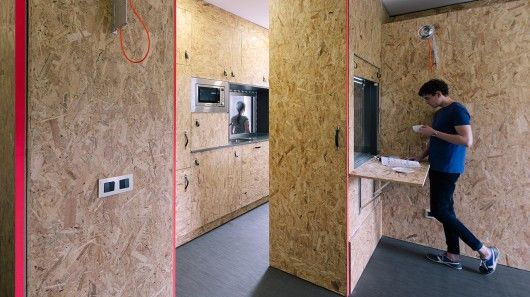
TallerDE2 Arquitectos is Reimagining the Humble Bachelor Pad
The furniture industry can develop space-saving furniture to cater to apartment and small-space dwellers.
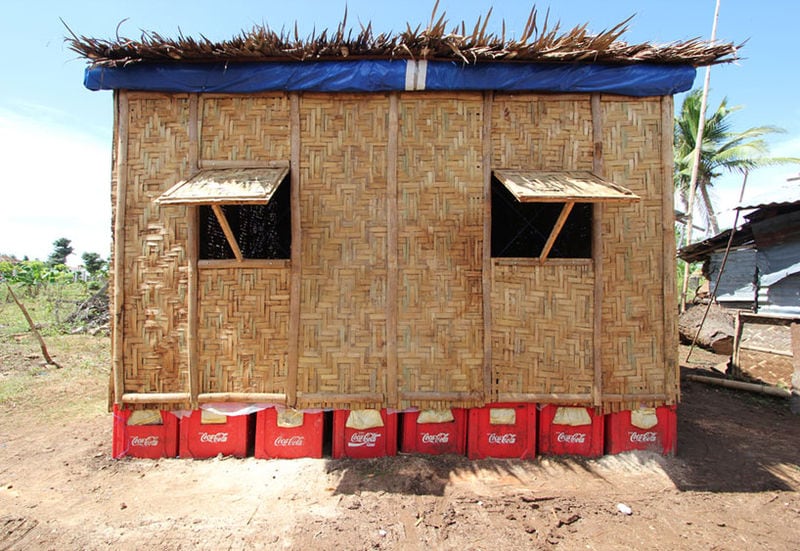
Shigeru Ban Constructs Temporary Shelters to Help the Philippines
Architecture firms can explore creating sustainable and innovative temporary housing solutions using different materials.
Workshop question
What relationship does your brand or product have with renting culture?
Trend themes
The use of modular designs in pop-up structures creates flexible and efficient temporary spaces.
Increasing interest in minimalistic living inspires the creation of compact and functional living spaces.
Social activism inspires the design of temporary housing solutions for homeless and disaster-affected populations.
Industry implications
The architecture industry can capitalize on modular pop-ups and tiny home designs to create flexible and efficient living spaces.
Consumer goods companies can expand into the tiny home industry by providing functional and space-saving furniture for compact living spaces.
Social services organizations can use modular pop-ups as temporary shelters for homeless and disaster-affected populations.
Trend signals
Trend score 5.4 out of 10, from popularity 78%, activity 75%, freshness 8%.