
Category
Tech
Adaptive Handsets
Upcycled fashion shifts toward more upscale tastes and aesthetics.



Trend
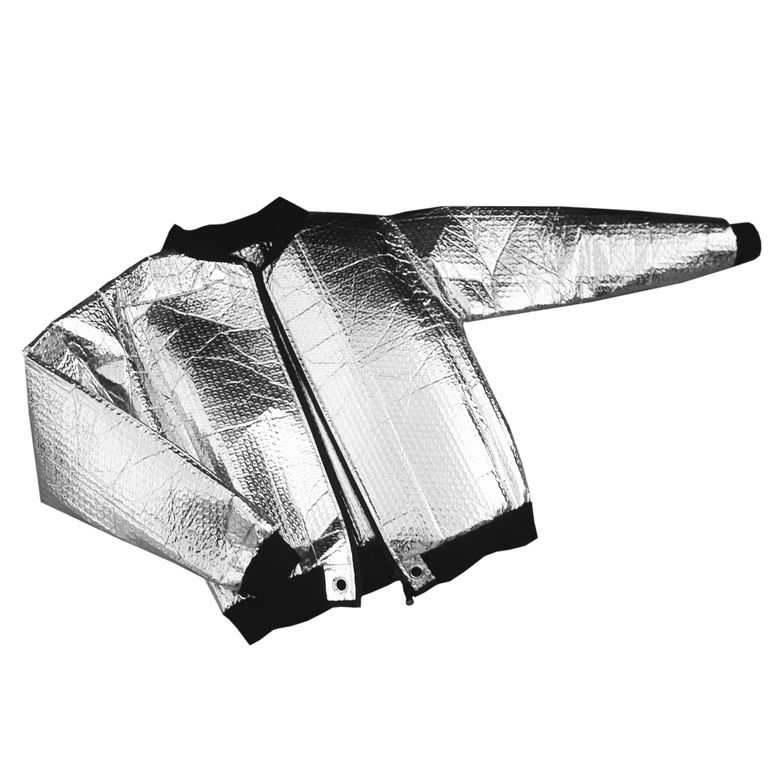
Upscale Re-purposed: As consumer demand for sustainability continues to grow, designer fashion labels are turning to unconventional up-cycling tactics to convey awareness. Re-purposing used materials and fabrics into runway-ready designs, these products not only reflect the growing use of sustainable tactics among big name brands, but they also showcase a shift toward more aesthetically refined eco-friendly products.
Trend themes
Sustainable fashion brands using unconventional upcycling techniques such as using industrial materials for creating clothing, shoes & accessories.
Innovative fashion companies are recycling waste materials such as plastic bottles, finishing nets, used tires and using them in the creation of new clothing products.
Brands are producing eco-friendly activewear using recycled water bottles that are transformed into fibers for weaving. The clothing is then made in a process aimed at reducing carbon emissions.
Industry implications
Designers and retailers are incorporating upcycled and recycled materials as a part of their sustainable product offerings in the apparel and fashion industry.
The increasing demand for sustainability in fashion has led to the growth of a sustainable fashion industry that produces eco-friendly clothing with reduced carbon footprint and waste.
Innovations focused on sustainably producing textile fibers and fabrics using recycled materials by reducing the discharge of wastewater and preserving ecological balance.
Workshop question
Trend signals
Trend score 5.1 out of 10, from popularity 72%, activity 71%, freshness 8%.
Evidence
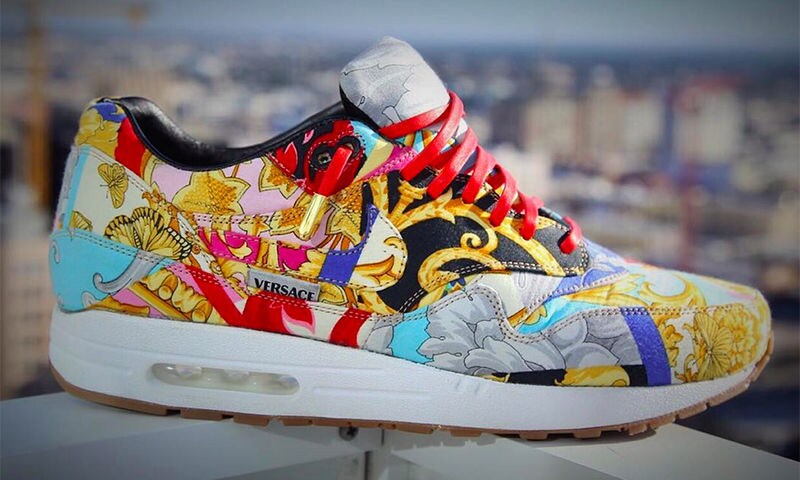
These 'What the Versace' Shoes are Made from a Pair of Patterned Pants
Disruptive innovation opportunity: Embrace sustainability by incorporating upcycled fashion into the product offerings.
This Chic Australian Clothing Line is Made with Repurposed Materials
Integrate sustainable practices into the fashion industry by incorporating upcycled materials into designs.
teeki Yoga Gear is Crafted from Recycled Water Bottles
The fashion industry has the opportunity to reduce waste by incorporating recycled materials into their products and meeting the demands of consumers who value sustainability.
This 'Waste2Wear' Fashion Line is Made from 100% Recycled PET Bottles
The Couture Light collection and the use of Waste2Wear fabrics presents opportunities for fashion brands to incorporate sustainable materials to reduce textile waste.
This H&M Fashion Collection is Made Out of Recycled Apparel
Disruptive innovation opportunity to incorporate upcycled materials and eco-friendly practices in the fast fashion industry.
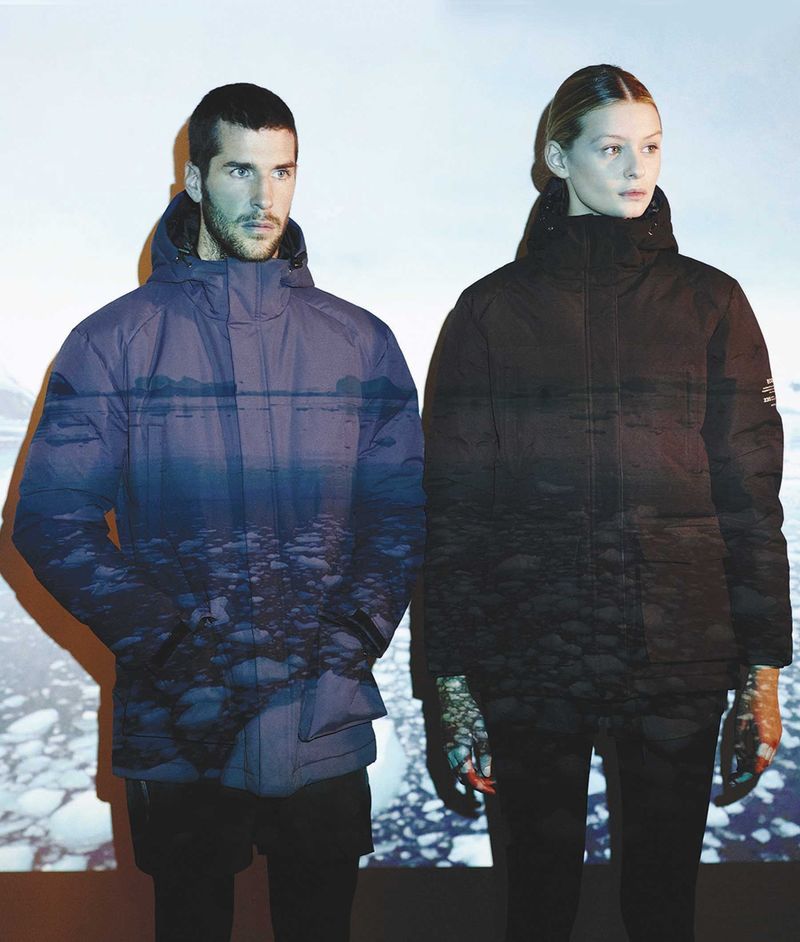
These Eco-Friendly Jackets are Made Out of Discarded Materials
The fashion industry can leverage the trend of using recycled materials to create innovative and eco-friendly products, such as parkas made from upcycled plastic bottles.