


Small retailers build business processes around waste reduction
Implications - Small retailers are taking advantage of the more flexible nature of their work by creating business processes that minimize and repurpose waste. This shift serves two purposes – it gives the retailers in question leverage over larger and more financially secure corporations, while offering consumers more incentive to shop local.
Workshop Question - How can your brand better adapt to changing consumer priorities when it comes to their purchase habits?
Trend Themes
-
Zero Waste Retail — Small retailers are building business processes around waste reduction, creating leverage over larger corporations and offering customers more incentive to shop local.
-
Package-free Stores — Package-free stores are becoming more common in the retail and grocery industry and are highlighting opportunities for other businesses to adopt sustainable practices.
-
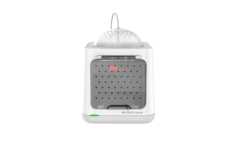
Eco-friendly Store Design — Innovative and sustainable store design using recycled materials, such as 3D printed interiors made from plastic bottles, can both promote environmentally friendly initiatives and offer aesthetically pleasing designs.
Industry Implications
-
Retail Industry — The retail industry can implement zero waste practices and package-free options to differentiate themselves from larger competitors and attract environmentally conscious shoppers.
-
Hospitality Industry — The hospitality industry, such as cafes, restaurants and salons, can reduce waste and promote sustainability by encouraging refills and using eco-friendly materials.
-
Architecture and Design Industry — The architecture and design industry can apply eco-friendly principles to create innovative and sustainable interiors by using recycled materials and reducing waste.
6 Featured, 40 Examples:
151,809 Total Clicks
Date Range:
Jun 16 — Feb 18
Trending:
Hot
Consumer Insight Topics: