Category
Lifestyle
Assisted Choices
Consumers are embracing new by-products from established brands.



Trend
Waste Reinvented: From alternative vegan leather to gourmet edible sportswear and biodegradable packaging; companies are reaffirming eco-conscious mandates by reinventing their compost into feel-good products. As Generation Y and Z consumers continue to push conscious capitalism as a norm, smart brands are going one step beyond this by incorporating waste reduction strategies into product development.
Trend themes
Sustainable brands are incorporating waste reduction strategies into product development by repurposing materials that would have otherwise been thrown out.
In response to a rise in plant-based eating, brands are creating meat, egg, and leather alternatives made from plants and other natural materials.
Companies are minimizing waste by upcycling and regenerating materials, such as ocean waste, into fashion and other products.
Industry implications
Brands are using upcycled and plant-based materials to create eco-friendly clothing and accessories to appeal to conscious consumers. Opportunities exist for companies to explore innovative production techniques to minimize waste and pollution.
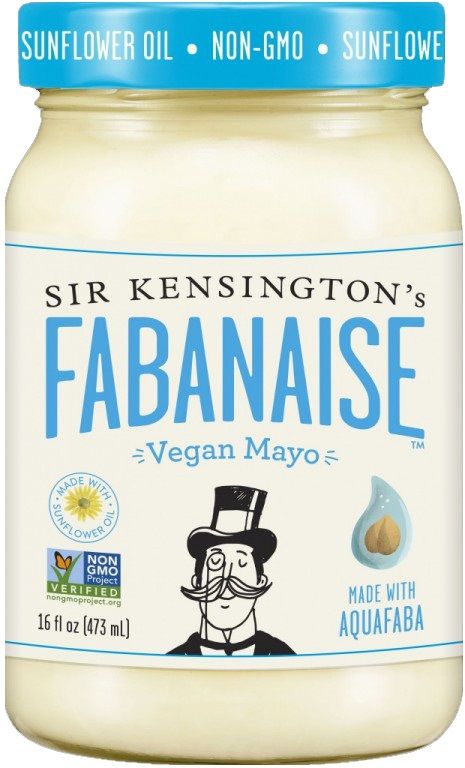
Food and beverage businesses can explore innovative uses and alternative sources for by-products of their production process, such as vegan mayonnaise made with aquafaba, to meet the growing demand for plant-based options.
In response to the push for conscious capitalism, brands are developing eco-friendly packaging solutions using plant-based, biodegradable materials to minimize waste and pollution. Innovations in production processes and materials can create disruptive opportunities in this industry.
Workshop question
Trend signals
Trend score 4.3 out of 10, from popularity 64%, activity 59%, freshness 8%.
Evidence
adidas and Aquafil Have Teamed Up to Design Sustainable Swimwear
Fashion brands can explore upcycling and using regenerated waste to create sustainable clothing and accessories.
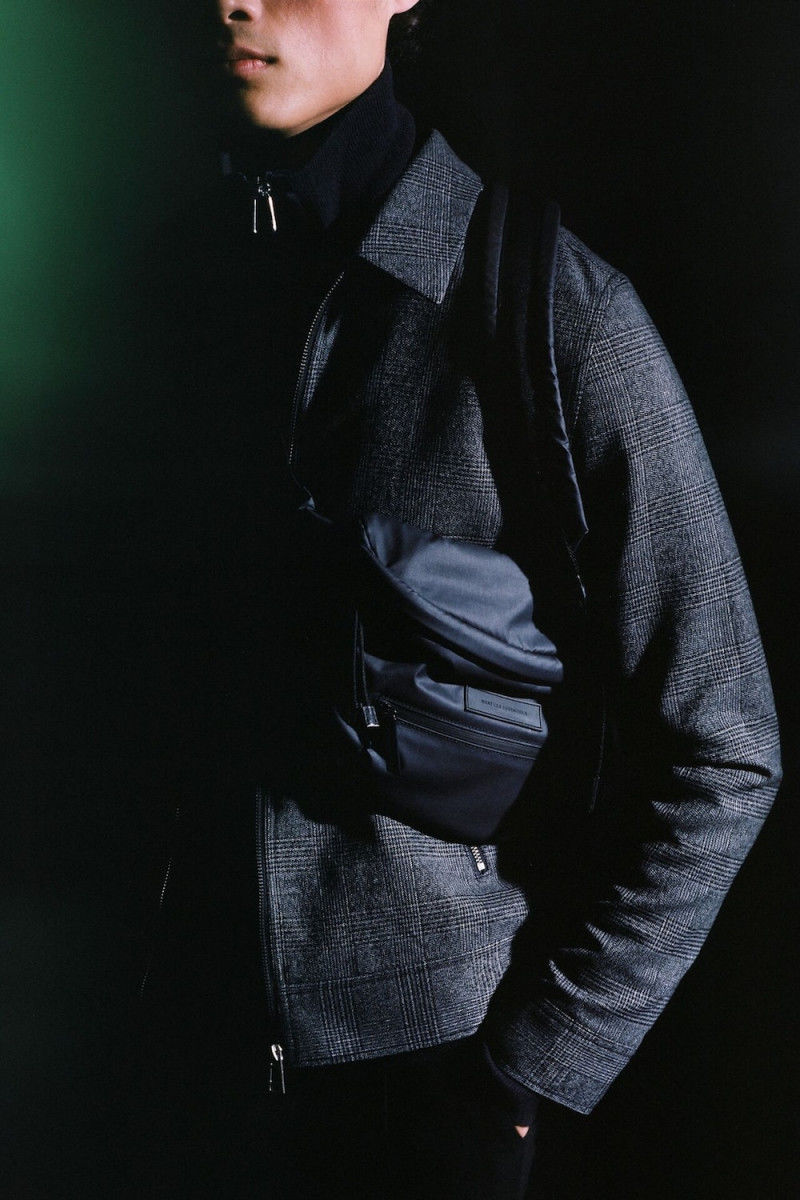
WANT Les Essentiels Introduces a Collection of Eco-Friendly Bags
Fashion brands can leverage sustainable design practices and materials to appeal to environmentally conscious consumers and promote the development of a more eco-friendly industry.
VEGEA Makes Alternative Leather with Fibers from Grape Skins and Seeds
The fashion industry can explore the use of VEGEA's wineleather as a stylish and sustainable alternative to traditional animal leather.
Lush Cosmetics' Packing Peanuts are Biodegradable
The rise of eco-friendly packaging materials presents a disruptive innovation opportunity for the packaging industry to develop and produce sustainable packaging solutions.
Sir Kensington's Vegan Mayonnaise is Made with Aquafaba
The food and beverage industry can capitalize on the trend of plant-based mayonnaise and other vegan condiments, creating new products that appeal to the growing demand for altern…

The Arvin Goods Socks and Underwear are Made without Water Use
The fashion industry can explore using fabric scraps and closed loop manufacturing processes to create sustainable and eco-friendly products.