

Category
Lifestyle
Baseline Support
Children's educational toys adopt AR/VR technology to increase engagement.

What's Happening
Virtual Education: To help increase interest in learning-focused products, toy brands are releasing products that integrate highly engaging augmented and virtual reality features. Increasingly accessible, this kind of technology is becoming more mainstream, more affordable and permeating more industries than ever before.
Evidence
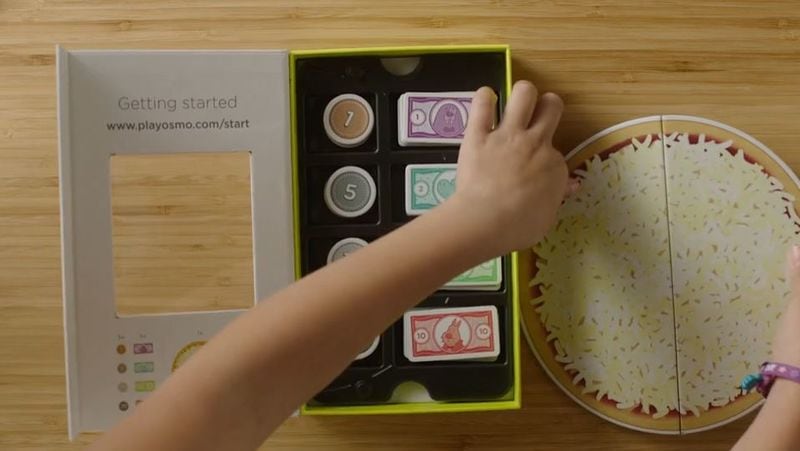
Osmo's 'Pizza Co.' Helps Kids Learn Financial Literacy By Selling Pizzas
Developing and marketing AR-based educational content to improve learning outcomes
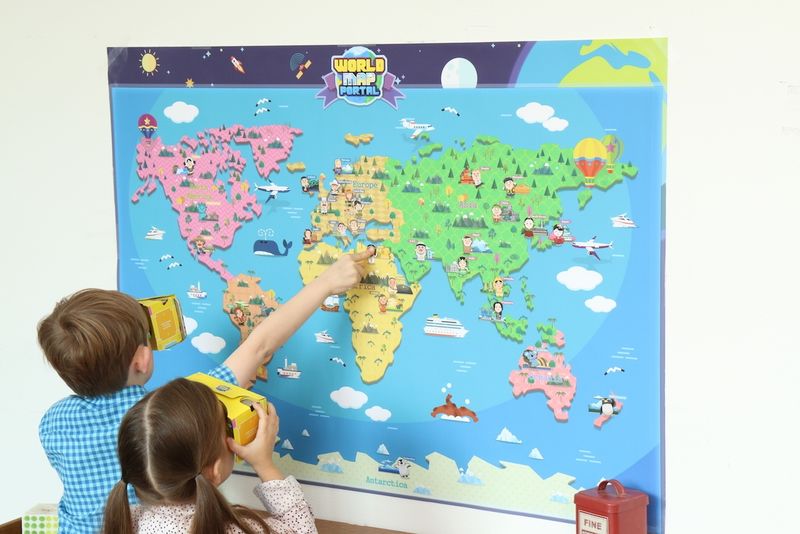
The 'WorldMapPortal' Mixed Reality Map Makes Use of VR Viewers
Creating innovative learning tools and platforms for students.
The 'Egger' Media Projector is Designed with Children in Mind
The 'Egger' media projector offers innovative ways to enhance learning experiences, creating opportunities for companies in the education technology sector.
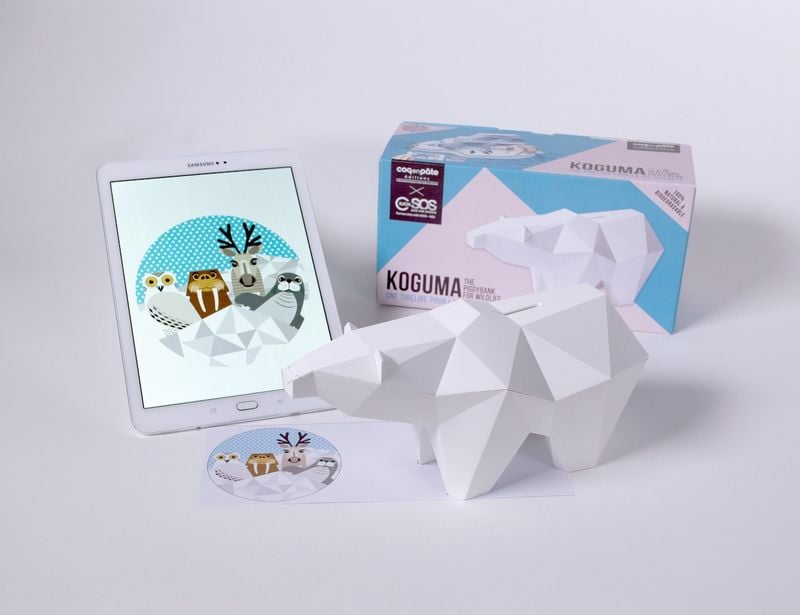
The 'KOGUMA' Piggy Bank Donates to Wildlife Conservation Projects
The educational technology industry can create interactive teaching tools using augmented reality technology to encourage learning outside of the classroom.
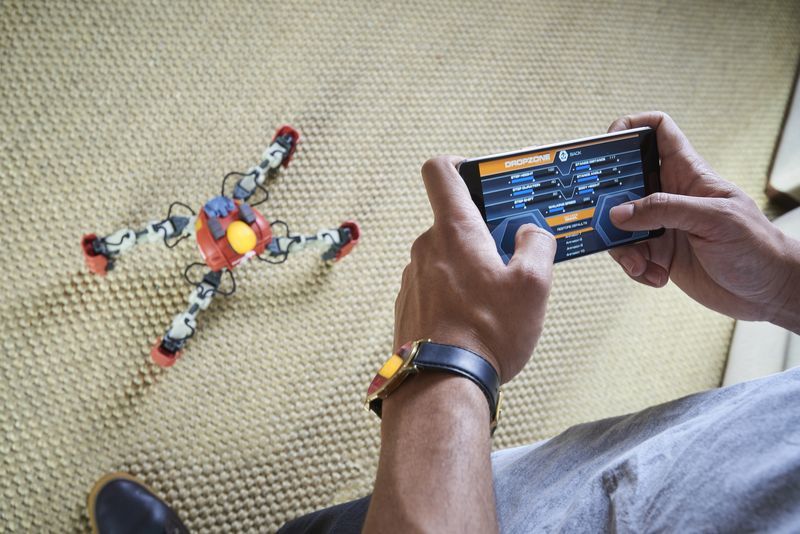
'MekaMon' is a Smartphone-Controlled Robot That Fights AR Enemies
The toy industry can leverage AR technology to create more interactive and engaging toys that attract tech-savvy kids and adults alike.
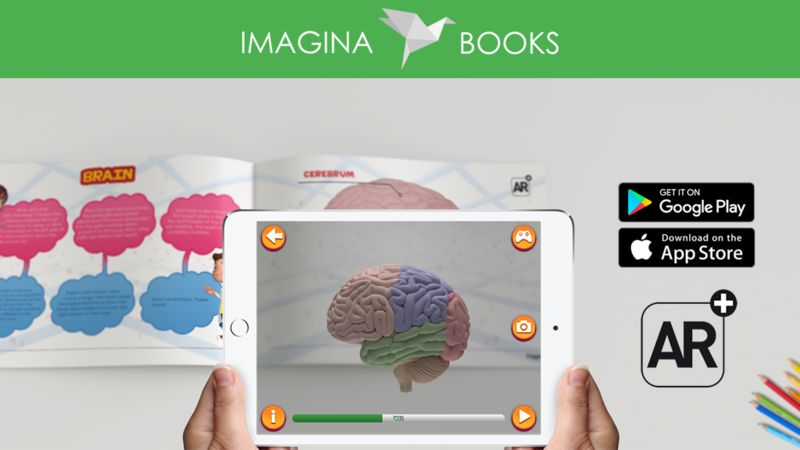
'Imagina Books' are Augmented Reality Books That Come to Life with an App
Opportunity for publishers to incorporate AR technology into their books for a more interactive reading experience.
Workshop question
What is one new way that your brand could incorporate AR/VR technology as a way to virtually engage consumers?
Trend signals
Trend score 5.9 out of 10, from popularity 90%, activity 78%, freshness 8%.
Trend themes
Augmented and virtual reality are increasingly being integrated into education and learning-focused products, making learning more engaging and immersive for children.
Augmented and virtual reality are enabling the development of interactive and immersive toys, providing children with unique experiences that blend physical and virtual worlds.
Augmented and virtual reality are being used to create mixed reality experiences for kids that blend digital and physical worlds to teach them about a multitude of subjects in an entertaining way.
Industry implications
The education technology industry can take advantage of the increasing demand for AR/VR tools and technology to create more engaging and effective learning experiences for students.
The toy manufacturing industry can leverage AR/VR technology to create interactive and immersive toys that provide a unique experience and make learning more fun for children.
The gaming industry can take advantage of AR/VR technology to create innovative and immersive games that blend digital and physical worlds to provide gamers with a unique and entertaining experience.