
Category
Tech
Automated Upkeep
Campaigns that blend the offline with the online increase user appeal.

Trend
Tech-Assisted Advertising: As more consumers experience their surroundings with a smartphone in hand, brands are looking to engage with them more than ever. A shift towards online and offline advertising that requires device usage supports consumer behavior rather than fighting against it.
Trend themes
As more consumers experience their surroundings with a smartphone in hand, brands are engaging with them by blending online and offline advertising.
Brands are using device features to create interactive ads that blend seamlessly with user behavior, such as sun-activated coupons and app-connected commercials.
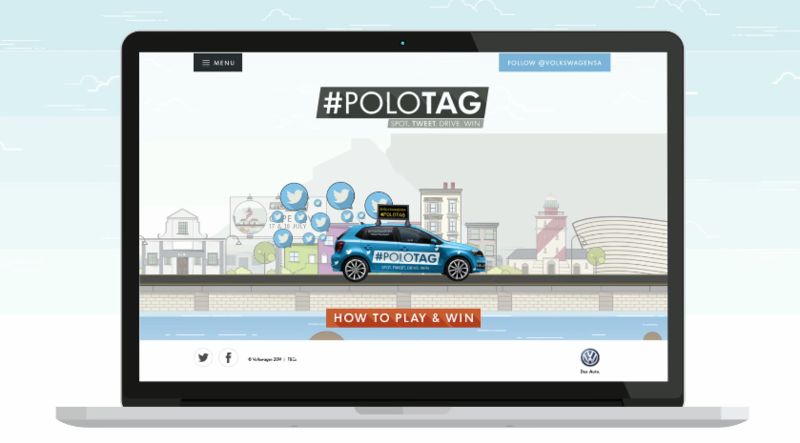
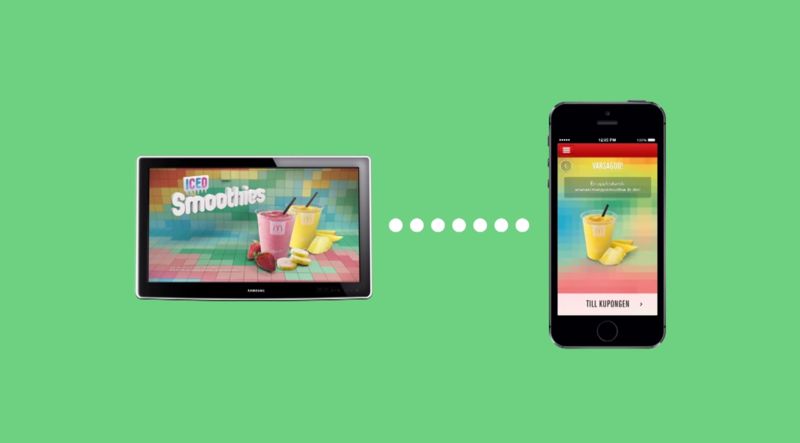
Companies are creating fun and interactive campaigns that challenge users, such as Volkswagen's PoloTag game and McDonald's Fruit Match commercial.
Industry implications
Blended online and offline advertising and interactive ads using device features require a strategic approach to advertising and marketing.
Interactive ads and promotions often require a mobile device, making mobile technology an essential industry for these trends.
Gamified promotions and interactive ads provide entertainment value to the user, making entertainment a related industry for these trends.
Trend signals
Trend score 4.7 out of 10, from popularity 82%, activity 52%, freshness 8%.
Evidence
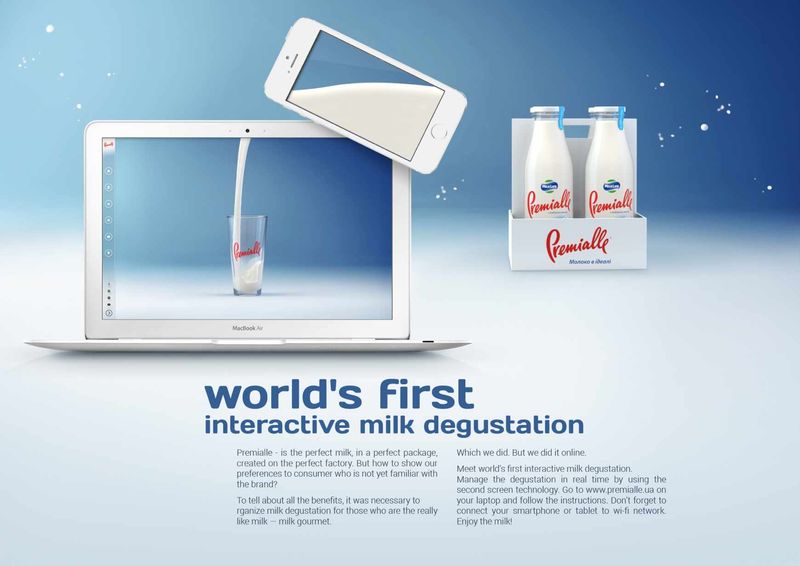
Premialle's Interactive Milk Ad Gets You to Use a Computer and a Phone
The interactive milk ad presents opportunities for advertisers to create engaging and immersive campaigns that utilize multi-device interactions.
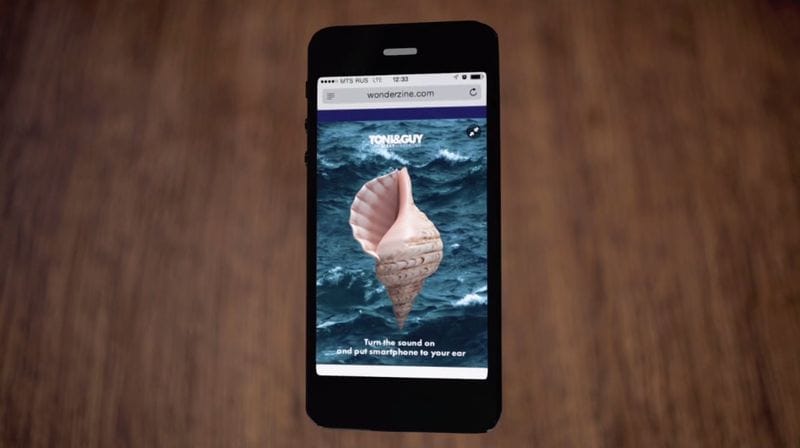
TONI&GUY;'s Sea Salt Hair Spray Ad Lets You Hear the Beach Through Your Phone
Brands can use innovative techniques to create mobile ads that highlight their products and provide an enhanced user experience, leading to increased sales.
Volkswagen's Fun Test Drive Challenges People in a City-Wide Game
Automakers can explore gamified test drives as a creative way to promote new car models and engage potential customers.
Zealios Skin Care's Unique Coupon Only Appears in the Sun
The skin care industry can leverage sun-activated coupons to educate consumers about sun protection while enticing them to try new products.
McDonald's Fruit Match Commercial Plays a Game with Smartphones
Using technology such as interactive commercials to engage with customers and provide promotions.