
Category
Business
Autumn Teasers
Brands heighten rewards by offering game-like challenges.



Trend
Competitive Reward: Turning brand involvement into a competitive activity, retailers are using challenges to incite consumer interest. Requiring strategic thought and dedication, these reward-driven activities help consumers become more personally invested in the experience, providing a sense of satisfaction and fulfillment.
Trend themes
Various industries can incorporate game-like challenges to incite consumer interest and provide a sense of satisfaction and fulfillment.
Businesses can make processes such as hunting for deals easier and more fun by introducing competitions with rewards.
Organizations can take advantage of technology to create fun campaigns that encourage remote interactions and competition with a sense of excitement and connection.
Industry implications
Retailers can incorporate game-like challenges to engage and retain their customers, thereby increasing brand involvement.
Travel agencies can make travel planning more exciting by introducing competition-driven processes with rewards, making traveling cheaper and more rewarding.
Game developers can collaborate with organizations to create fun campaigns that are related to their industry while bringing in a sense of excitement and recognition.
Trend signals
Trend score 3.3 out of 10, from popularity 59%, activity 31%, freshness 8%.
Evidence
The Voyando Travel Site Makes Hunting for Deals a Competition
The travel industry can capitalize on the trend of travel deal competitions by offering their own contests and rewards for finding great deals.
This UK Graffiti Project Challenges Geeks to Crack a Secret Code
A new opportunity for experiential marketing that incorporates Street Art and technology to attract a new market audience.
KLM's Fun Campaign Challenged People to Virtually High Five Someone
The travel and hospitality industry can leverage virtual high-five challenges to promote their destinations and engage with potential customers.
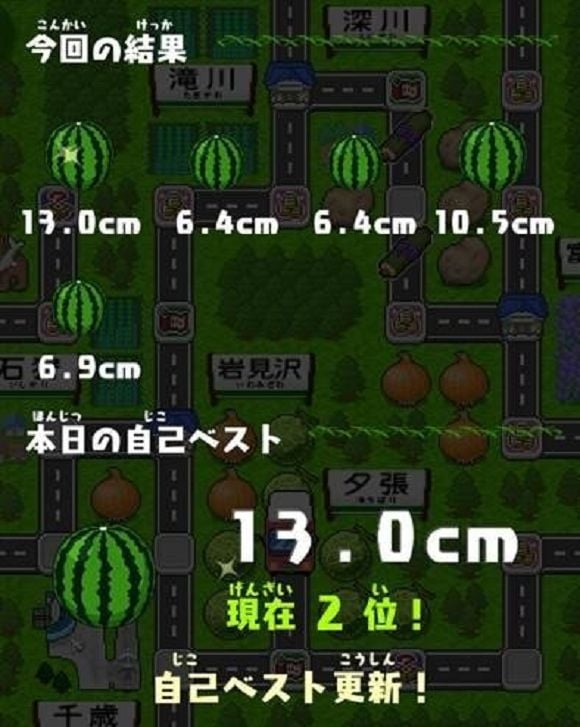
Japanese Game 'Gochipon' Doles Out Real Watermelons to Top Players
Disruptive innovation opportunity: Integrate real-world incentives into gaming experiences to enhance player engagement.