



Category
Tech
Delegated Interfaces
Developers are creating VR headsets that do not rely on external computing.

Trend
Standalone VR: Brands are launching standalone spatial computing headsets that have processing power built into the device. These devices are small, portable, and do not require the user to be tethered to a computer. This makes the headsets quicker to use while reducing the barrier to entry for new customers.
Insight
For the average adult consumer, two of the main barriers that prevent the adoption of spatial computing and VR headsets are related to cost and complexity, in part due to headsets often requiring several high-priced devices to function, effectively placing VR experiences behind paywalls that outweigh the value proposition. Hardware brands in the VR space are addressing these concerns by creating lower-cost, lower-power VR headsets that function entirely on their own.
Trend themes
Headsets that have processing power built into the device, reducing the barrier to entry for new customers.
Hardware brands addressing cost and complexity concerns by creating self-contained VR headsets that function entirely on their own.
VR headsets that prioritize compactness and comfort for longer usage sessions.
Industry implications
The VR hardware industry can capitalize on the trend of standalone spatial computing headsets by developing innovative, self-contained devices that appeal to a broader customer base.
The AR hardware industry can explore the opportunity of comfort-focused VR headsets to enhance the user experience and increase adoption of AR technologies.
Spatial computing developers can take advantage of the lower-cost, lower-power VR headsets trend to create engaging and immersive experiences that are more accessible to consumers.
Workshop question
Trend signals
Trend score 5.0 out of 10, from popularity 64%, activity 64%, freshness 21%.
Evidence
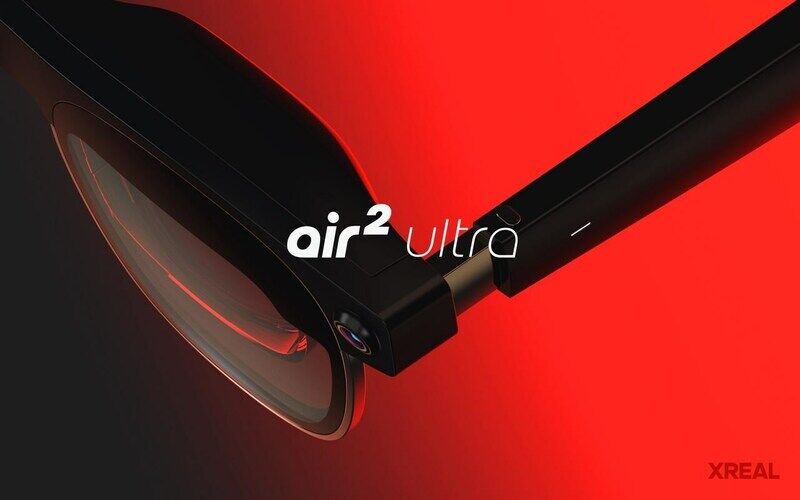
The XREAL Air 2 Ultra Creates Next-Gen Mixed-Reality Experiences
The XREAL Air 2 Ultra glasses disrupt the augmented reality industry by offering developers a powerful tool for creating immersive mixed-reality experiences.
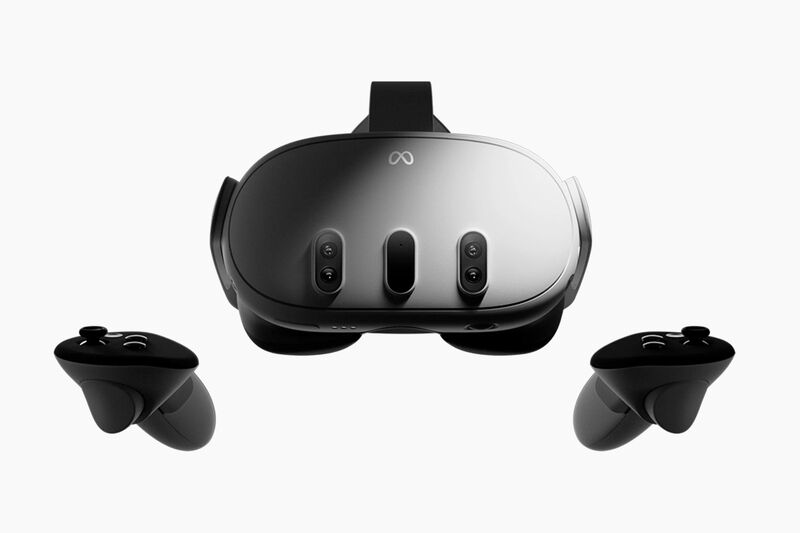
The Meta Quest 3 VR Headset is Compact and Slim
The Meta Quest 3 VR headset can disrupt the gaming industry by providing an affordable and comfortable VR experience that could potentially revolutionize how we play games.
The Apple Vision Pro Headset Runs the visionOS Operating System
The integration of spatial computing in gaming presents disruptive innovation opportunities to revolutionize the gaming experience and create new revenue streams through in-game a…
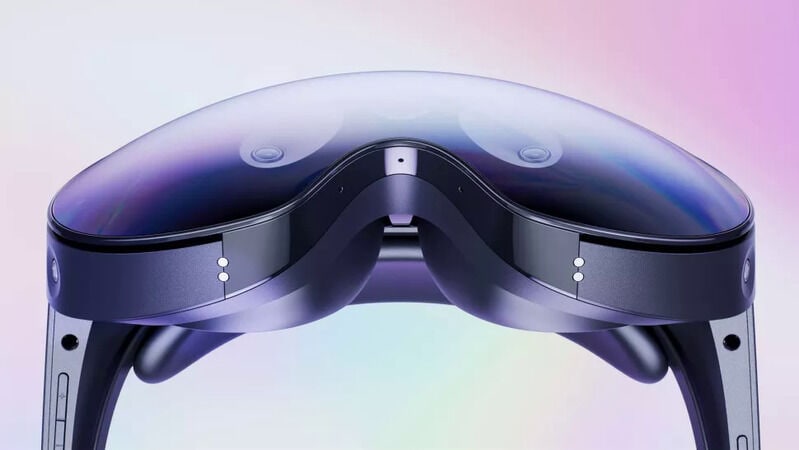
Meta Unveiled the 'Quest Pro' Premium Headset at $1,599.99 USD
The trend for professional-grade VR headsets presents a significant opportunity for disruptive innovation in creating immersive media experiences for the entertainment and marketi…






