
Category
Art & Design
Sensory Packaging
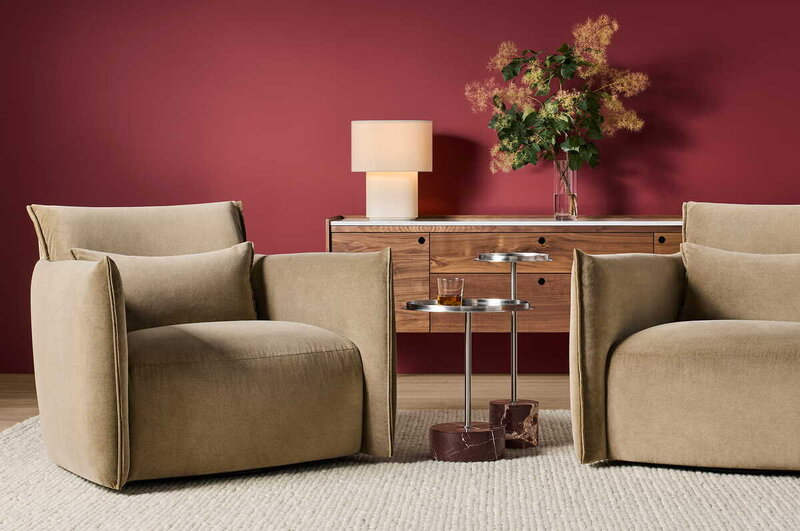
The feeling of true comfort is created through residential-inspired design.
Trend
Simulated Home: Though escapism has reigned supreme for consumers for quite some time, it sees a backlash in simulated home. Those in the design and hotel industries are now realizing that though exoticism provides a rush, consumers are most comfortable in spaces that feel and look like a more familiar space. The appeal of home-inspired public design lies in its nostalgia factor as well as a desire for true relaxation.
Trend themes
The trend towards residential-inspired design is growing in the hospitality and public design spaces as consumers seek comfortable and familiar spaces that provide a nostalgic sensation.
Nostalgia marketing is a growing trend, as businesses who provide products that invoke nostalgia in their customers create personalized and enjoyable experiences that foster brand recognition and loyalty.
Retailtainment is a growing trend in which retailers strive to create a memorable experience for their customers by using immersive and interactive designs to create an emotional connection with them.
Industry implications
The hospitality industry can leverage residential-inspired design and create accommodations that provide comfort and familiarity, allowing customers to feel at home and improve their overall experience.
Retailers can implement retailtainment strategies that create emotional connections with their customers, making their shopping experience memorable and enjoyable, thereby increasing customer acquisition and retention.
Designers can use nostalgia to create personalized and customized products that invoke feelings of familiarity and comfort, fostering brand recognition and loyalty at the same time.
Trend signals
Trend score 5.7 out of 10, from popularity 81%, activity 82%, freshness 8%.
Evidence
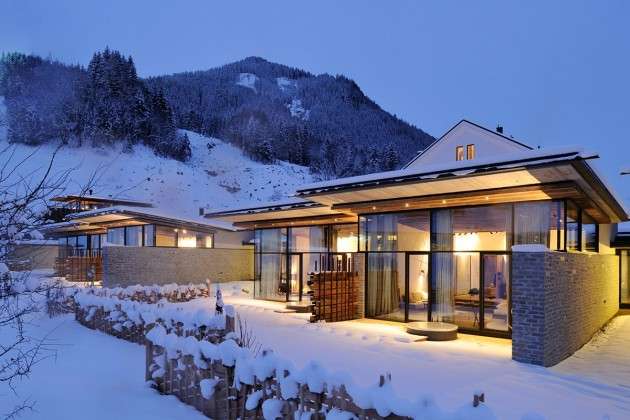
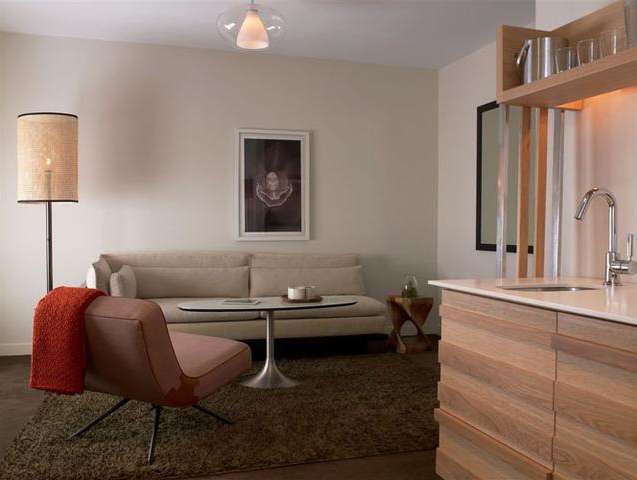
The Wiesergut Hotel is at Once Luxurious and Homey
Hotels can use inspiration from private residences and minimalist interior designs to create unique and inviting spaces for guests.
The James Chicago Hotel Boasts a Warm and Modern Design
Opportunities for hotel chains to adopt residential-style designs to differentiate themselves and attract modern travelers.
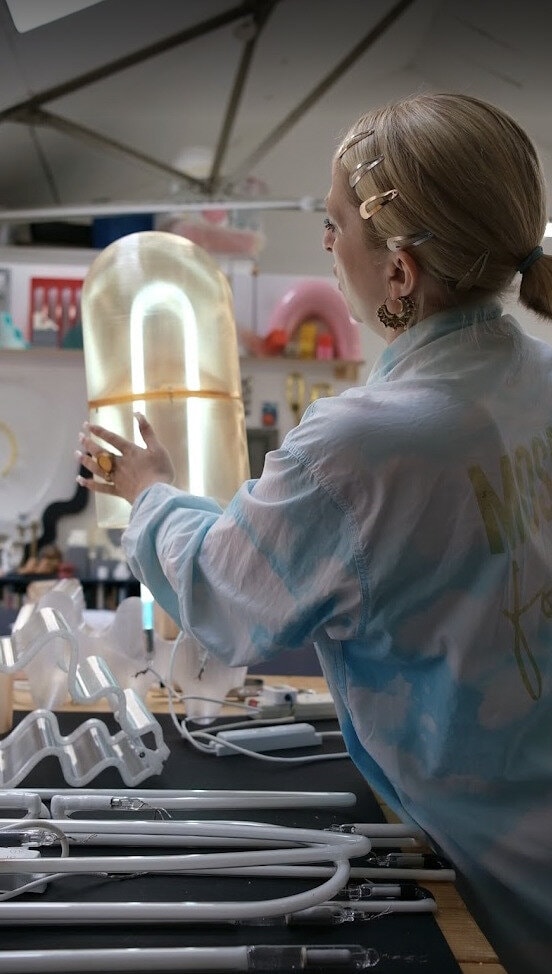
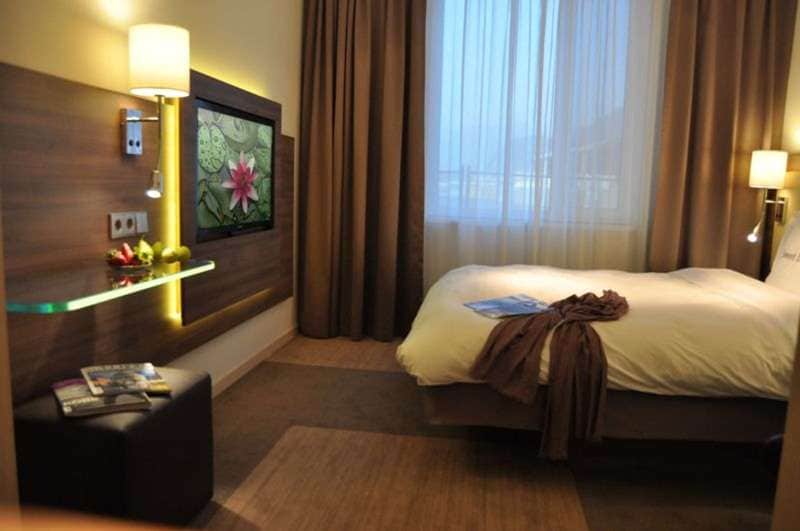
The Moxy Hotels Has a High-End Appearance on a Low-End Budget
The hospitality industry may see a rise in demand for affordable and modern lodging options with partnerships with brands like IKEA.
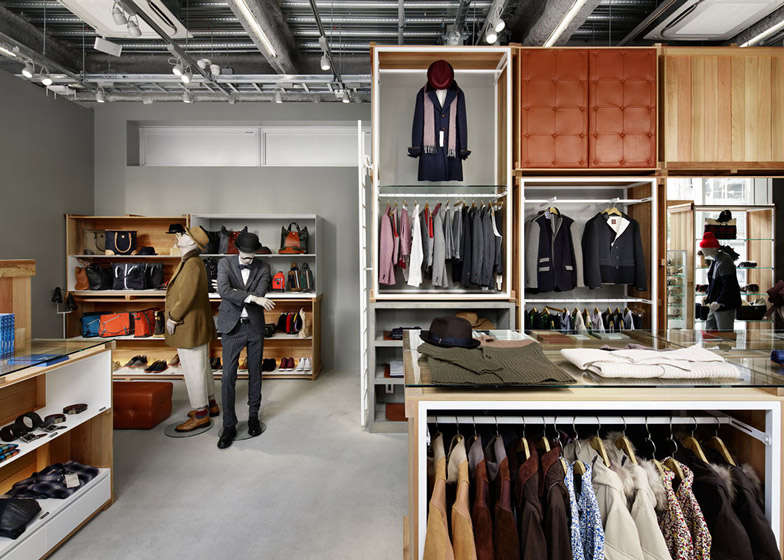
The Takeo Kikuchi Flagship Store Focuses on Customer Comfort
The interior design industry can explore innovative ways to incorporate rest areas and create dynamic store experiences that rival online shopping.
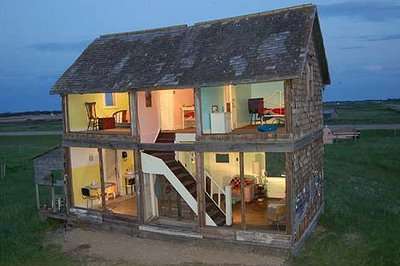
Abandoned Farmhouse Transformed Into Giant Playhouse
Exploring ways to incorporate nostalgia and transparency in art and design can create innovative and engaging pieces.