Category
Art & Design
Perimeter Staging
Premium containers blend tactile designs with lower-impact materials.
What's Happening
Sensory Packaging: Brands are pairing premium packaging cues with lighter-weight structures, preserving a high-end impression while reducing material use and shipping weight. By using textured finishes and graphics to signal quality, and lightweighting to slim down packs, they’re protecting perceived value while lowering costs and their environmental footprint.
Why It's Happening
For consumers, packaging has to do two jobs at once: create a memorable physical impression and show that the brand can deliver it efficiently. As such, luxury is shifting from heavier presentation to smarter execution. Heft can still signal luxury, but consumers increasingly question what that weight takes to make, move and discard. A leaner kind of luxury is gaining ground as consumers judge what’s premium in touch, finish and unboxing design, and excess is more likely to read as wasteful than generous.
Evidence
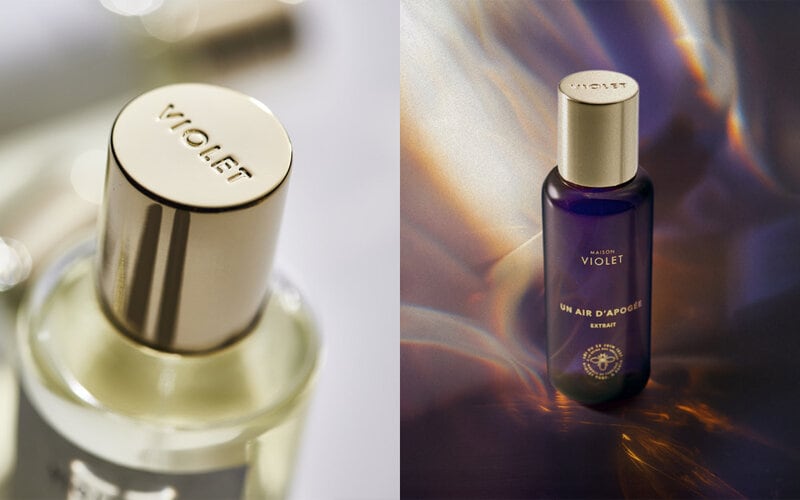
Maison Violet Uses 50% Less Glass for Its Fragrances
Perfumery is moving toward refillable and lighter bottle systems that preserve brand prestige while reducing dependence on resource-intensive glass packaging.
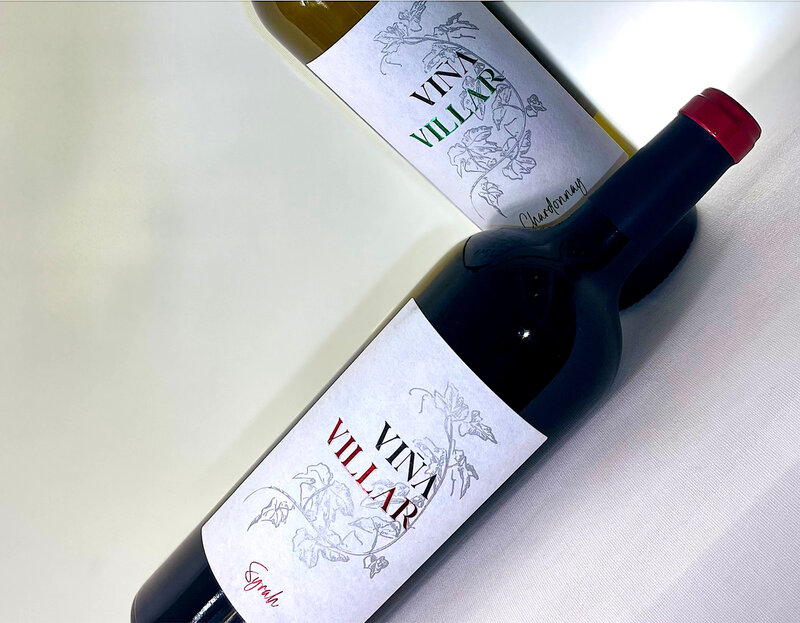
Bodegas El Villar Gives Viña Villar A Premium Redesign
Premium bottle structures and sensory label finishes are redefining how producers communicate quality in crowded retail environments.
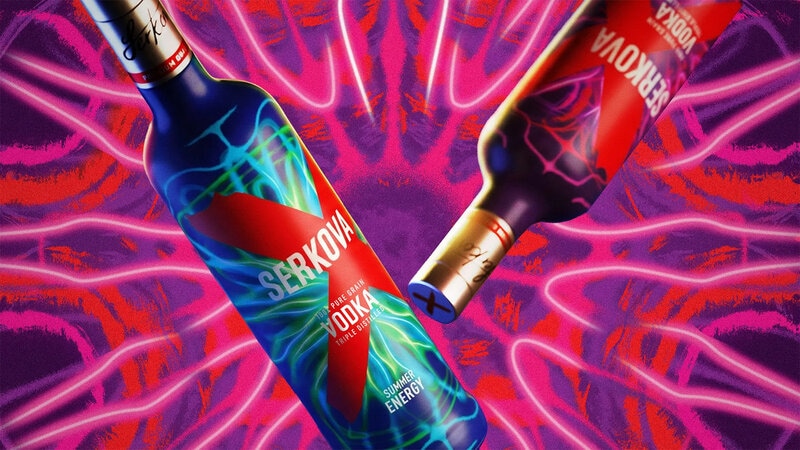
Serkova Turns Sound Waves into Bottle Graphics
Premium spirits brands are using expressive packaging systems to refresh consumer interest and build cultural association around existing formulas.
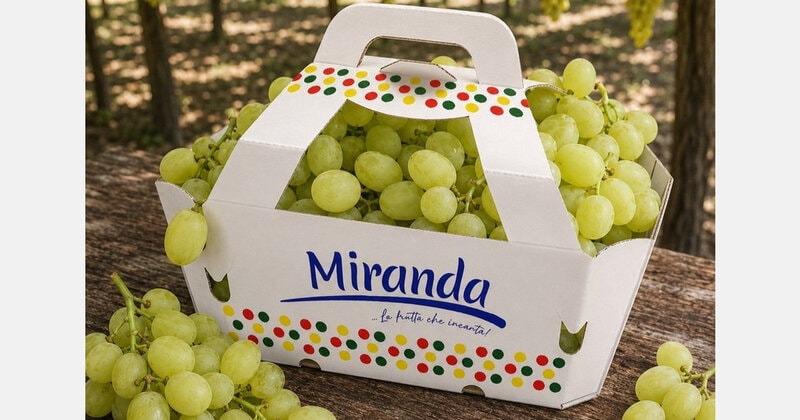
Cantatore Fruit Company Ships Its Miranda Grapes In Six-Kilo Crates
Branded packaging systems are giving commodity fruits stronger differentiation as growers align pack sizes with modern household needs.
Workshop question
How could your brand make its packaging feel more premium without adding unnecessary material?
Trajectory
Latest reading 8.4 for the week of Oct 26, 2026. Rising over the final 3 scored weeks (+1.9), at its peak of 8.4. Momentum 2.6/10, persistence 2.5/10, backed by 4 research findings.
11 Trend Hunter articles were grouped into the wider weekly cluster this trend was identified in, over 5 weeks.
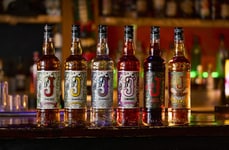 Longer-Neck Rum BottlesOld J Refreshes Its Spiced Rum with a New Bottle, Website and QR Code
 Ritual-Inspired Tea PacksTwinings Adds Ritual Notes to Green Tea and Infusions
 Italian-Inspired Liqueur BottlesVilla Massa Redraws Limoncello and Amaretto Labels
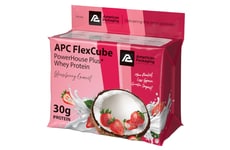 Space-Efficient Flexible PackagingAPC Introduces Its Material-Saving FlexCube Pouch
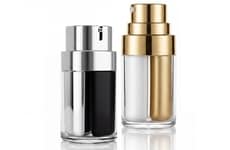 Dual-Compartment Glass BottlesBormioli Luigi Introduces INDUE for Cosmetic Formulations
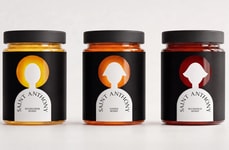 Iconic Honey JarsEva Chistyakova Lets Honey Light the Saint Anthony Jars
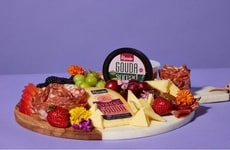 Cheese Packaging Visual OverhaulsMarieke Gouda Gives Each Flavor Room to Stand Out on Shelf
Research
Lightweight Luxe
Consumers and retailers now expect packaging to signal responsibility, but premium beverage brands cannot afford to lose tactility, giftability, or visual polish.
That creates a design tension: packs must look expensive while weighing less and using better materials. The brands that solve it can defend premium price while staying aligned with rising sustainability scrutiny.
Premium Circular Scent
Luxury buyers increasingly want sustainability without surrendering permanence, beauty, or status.
Refillable perfume works because it lets consumers feel responsible while keeping the bottle as an object of identity and display, turning circularity into a premium feature instead of a compromise.
Inclusive Packaging
Consumers and regulators are broadening responsibility from waste reduction to real-world usability.
Accessible packaging matters because it supports dignity, independence, and practical everyday participation, especially for older adults and people with disabilities. It turns inclusion into a physical product experience rather than a brand statement.
Clean-Label Packaging
Consumers increasingly interpret 'clean' as a whole-system promise, not just a short ingredient deck.
Brands can no longer separate product purity from operational impact, because shoppers and stakeholders now read packaging and process as part of the same trust equation.