Category
Lifestyle
Serial Snacking
Consumers crave the familiarity of soda in a more health-conscious format.
Trend
Consumption Compromise: The rise of health-consciousness has vilified the consumption of carbonated, sugary drinks; however, consumers are still attracted to the familiar flavors associated with traditional sodas. In order to reconcile a newfound health-based approach to lifestyle with their favorite taste cravings, consumers are opting for naturally flavored sodas and beverages. Instead of abstinence, consumers are searching for compromise and balance when it comes to consumption.
Trend themes
Consumers are opting for naturally-flavored sodas and beverages as a compromise between taste and health.
Brands are producing low calorie, all-natural craft sodas to make healthy soda options easily accessible, delicious and fun.
Alcoholic float recipes are becoming popular, turning classic desserts into playful, adult beverages.
Industry implications
The beverage industry can incorporate naturally flavored beverages as a response to consumers' desire for healthier drink options.
Craft soda companies can create low calorie, all-natural soda options as a way to appeal to health-conscious consumers.
The alcohol industry can incorporate alcoholic floats as a way to create playful and indulgent drink options.
Trend signals
Trend score 1.1 out of 10, from popularity 17%, activity 9%, freshness 8%.
Evidence
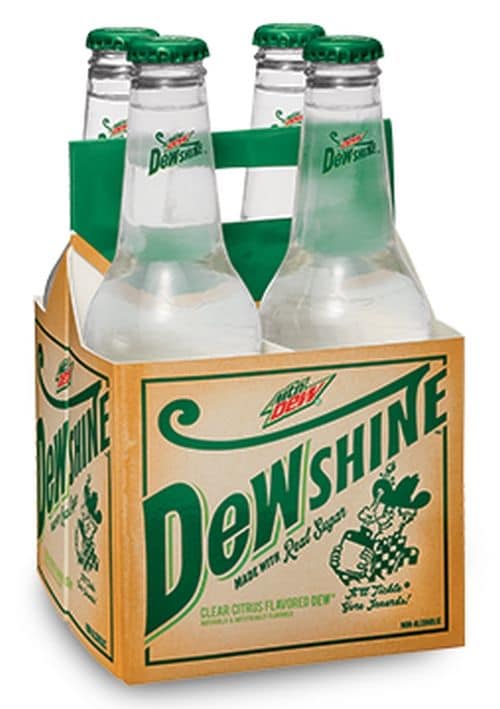
Dewshine is Now Being Offered as a Craft Version of Mountain Dew
Craft citrus soda brands can capitalize on the growing demand for artisanal and natural beverages.
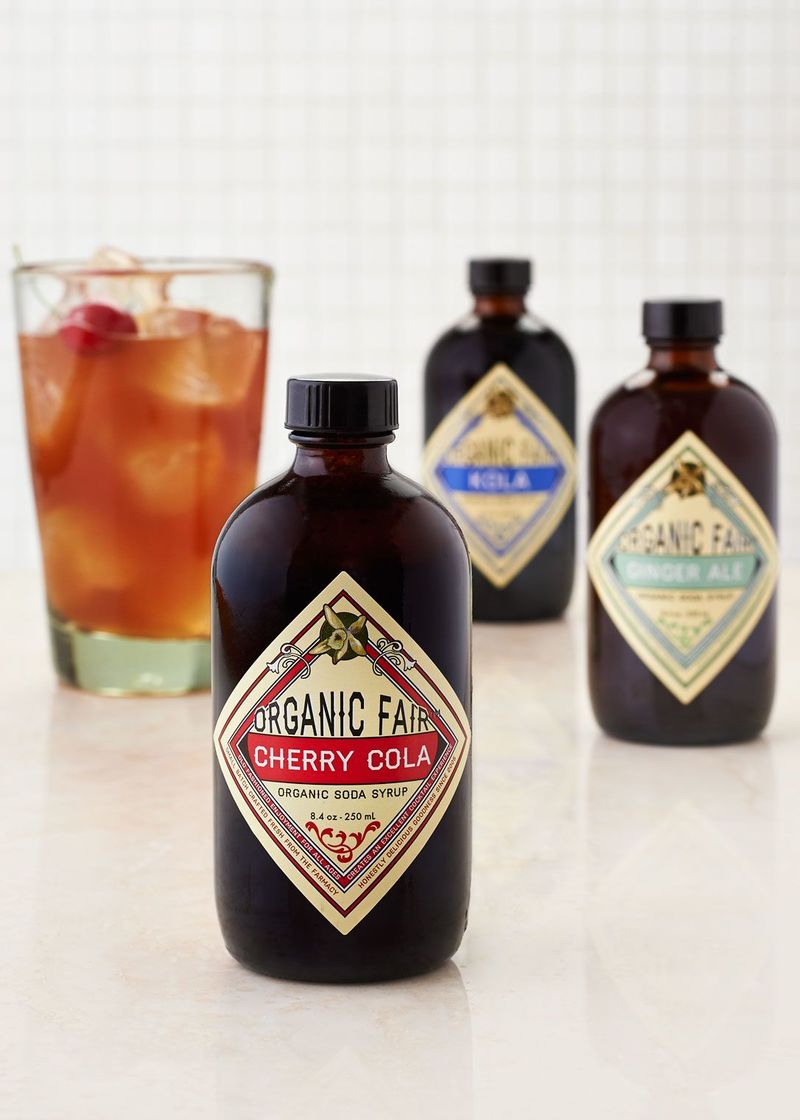
Rodale's Creates 5 Flavors of Naturally Sweetened Soda Syrup
Disruptive innovation opportunity: Exploit the growing demand for organic products by creating a new market segment focused on organic soda alternatives.
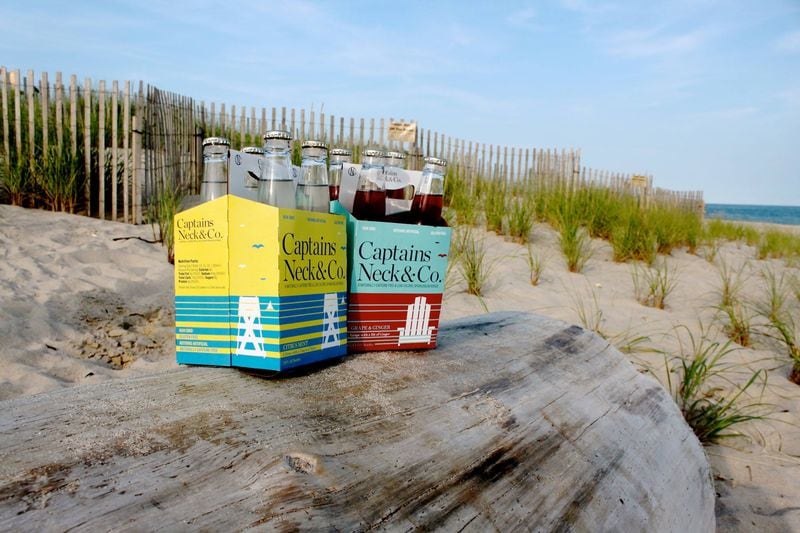
Captains Neck & Co Produces Low Calorie, All-Natural Craft Sodas
An increasing number of craft soda brands are entering the market to satisfy growing demand for healthier and more natural drink options.
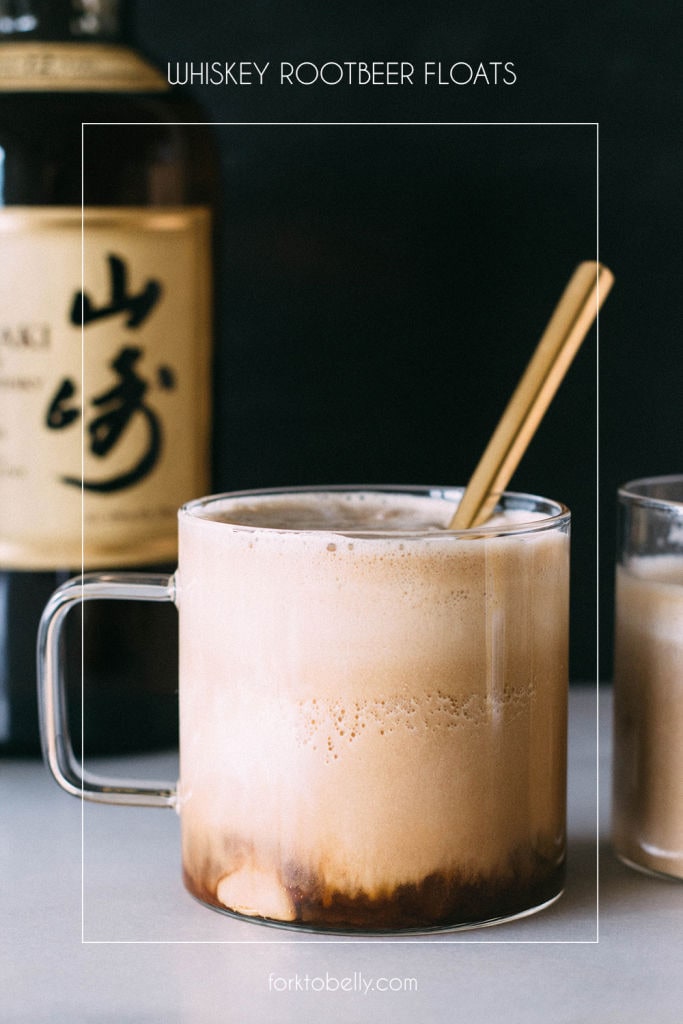
This Whiskey Root Beer Float Turns a Soda Into a Delicious Cocktail
Alcohol and beverage industry can capitalize on millennials' desire for innovative alcoholic drinks that are new twists on traditional beverages.