

Category
Eco
Circular Simplicity
Household energy systems are arriving in stackable formats.

Trend
Power Modularity: Home backup products are being designed as modular systems rather than fixed-capacity units, and expandable power setups are showing up across both plug-in and solar-compatible formats. Brands are pairing base stations with add-on batteries so households can scale storage over time. This approach is intended to let consumers start smaller and add capacity as their routines or risk tolerance change.
Trigger
Interest in home resilience is rising because consumers face more frequent extreme weather events, higher utility costs, and a growing need for power reliability during grid failures. Simultaneously, individuals are working through an uneven backup-power problem that may be causing some anxiety — they may want preparedness, but are finding it hard to predict their energy needs in advance. Because of this, consumers are prioritizing affordable units that can adapt after purchase, as they feel reassured by the ability to expand later instead of locking into one capacity decision upfront.
Workshop question
Trajectory
Latest reading 6.6 for the week of Sep 28, 2026. Holding over the final 3 scored weeks (±0.0), at its peak of 6.6. Momentum 3.2/10, persistence 2.5/10.
Evidence
PopWheels Shares Its E-Bike Batteries With Food Cart Vendors
E-bike battery ecosystems gain disruptive potential when their swap networks expand into adjacent city services beyond transportation.
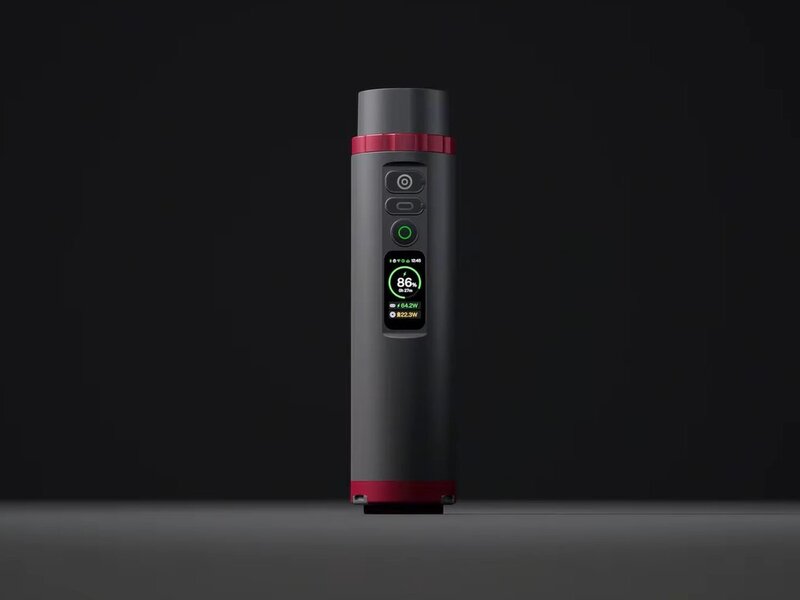
PeakDo Unveils Its Semi-Solid-State Starlink Mini Power Bank
Portable device makers are gaining new product differentiation opportunities through safer, lighter energy storage designs for connected hardware ecosystems.
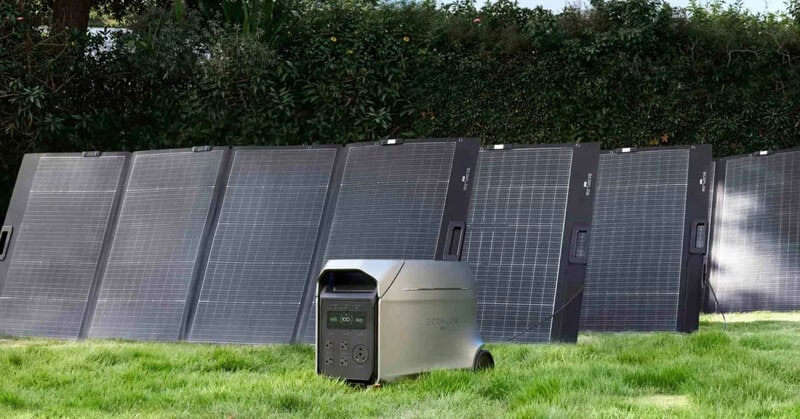
The EcoFlow DELTA 3 Ultra Plus Now Supports 500W Solar Charging
Portable energy products with multiple ports and high wattage are reshaping expectations for connected devices that function during outages and remote use.
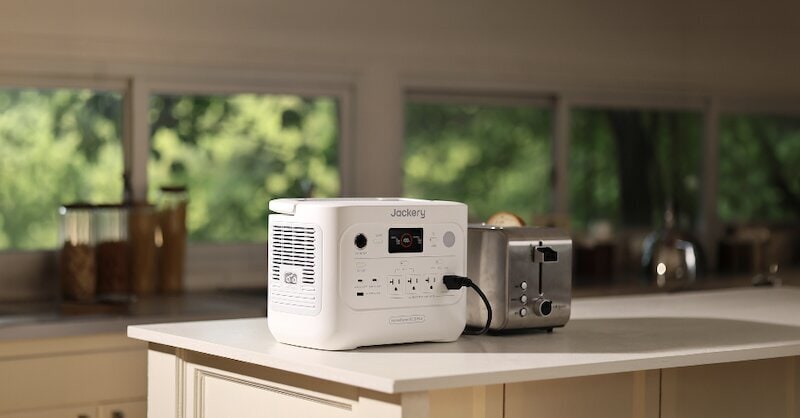
Jackery HomePower 1000 Plus V2 Delivers a Portable Backup Station
High-output portable batteries create space for electronics brands to combine device charging, appliance support and smart monitoring into unified home energy products.