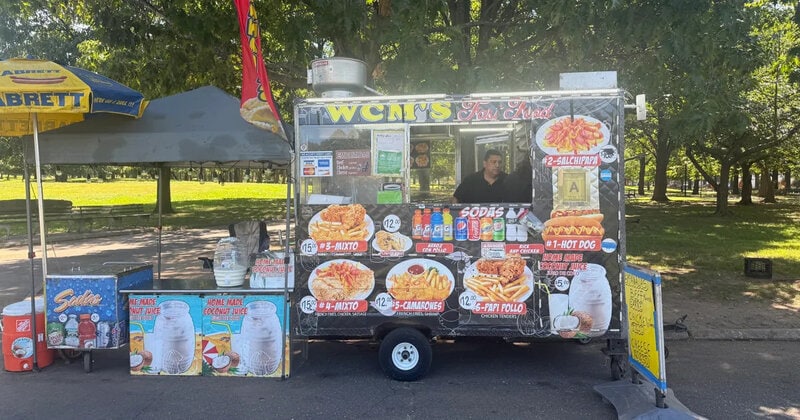
PopWheels is testing a cleaner way for New York City food carts to stay powered without hauling fuel or buying a full battery setup. The Brooklyn company is running a pilot in Flushing Meadows Corona Park, where vendors swap depleted packs for charged ones from nearby cabinets instead of using gas generators.
The trial includes 10 vendors and 2 charging cabinets. Those packs are the same as those PopWheels uses for its e-bike network, indicating shared infrastructure rather than a cart-only system. That setup reduces on-site noise and exhaust while avoiding the hard-to-find charging access that some depots and commissaries lack.
For vendors, this means cleaner power could look more like a monthly operating cost than a large equipment purchase. A swap model offers smaller operators a flexible path to electrification when charging space is limited. It also reframes batteries as a service rather than another machine to maintain.
Image Credit: Shutterstock/Leonard Zhukovsky
What Makes This Trend Stand Out
- Shared Battery Networks
- Cross-use charging infrastructure creates new value by serving multiple urban mobility and vendor use cases from the same battery pool.
- Battery-as-a-service
- Subscription-based power access turns electrification into an operating expense, lowering barriers for small businesses with limited capital.
- Generator-free Street Vending
- Cleaner modular power systems replace noisy fuel generators in public spaces, improving air quality while supporting mobile commerce.
Sectors Adopting This
- Urban Mobility
- E-bike battery ecosystems gain disruptive potential when their swap networks expand into adjacent city services beyond transportation.
- Food Service
- Street vendors benefit from flexible clean-energy models that reduce reliance on fuel logistics and expensive standalone equipment.
- Clean Energy
- Distributed battery cabinets present scalable opportunities for localized power access in dense cities where fixed charging infrastructure is scarce.