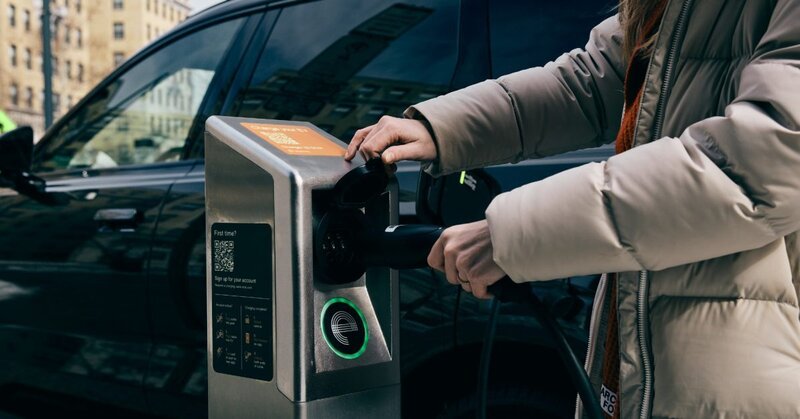
Brooklyn-based 'it's electric' is supplying hardware for PlugNYC, a permanent curbside EV charging network that will deploy nearly 700 Level 2 plugs across all five boroughs over the next three years, featuring stations with multiple posts and multiple plugs per post. The rollout replaces the city’s pilot system and expands charging capacity in dense, street-parked neighborhoods.
The chargers will be manufactured in Queens and the expansion adds roughly 600 new points to the existing 88. Engineering and construction work is assigned to Maverick Corporation, while SWTCH Energy provides the software platform, and initial sites span neighborhoods in the Bronx, Queens, Brooklyn, Manhattan and Staten Island.
The buildout targets residents and drivers who lack home charging by bringing accessible curbside power and optional e-bike or cargo-bike electrification at some sites. Charging will be metered by the kilowatt-hour and paid via apps or tap-to-pay, with the city retaining price control to keep costs affordable while encouraging turnover.
Image Credit: it's electric
What's Driving This Trend
- Curbside Charging Infrastructure
- Dense urban neighborhoods create demand for street-level EV power that integrates with existing parking patterns and reduces reliance on private garages.
- Localized Charger Manufacturing
- City-based production of charging hardware introduces potential for shorter supply chains, municipal procurement advantages, and region-specific infrastructure design.
- Micromobility Power Hubs
- Shared charging sites that support EVs, e-bikes, and cargo bikes reflect a broader shift toward multi-modal electrification in public streetscapes.
Who This Affects Most
- Electric Vehicle Charging
- Permanent curbside networks expand the addressable market for Level 2 charging by serving drivers without access to home-based equipment.
- Smart City Infrastructure
- Municipal control over pricing, payments, and utilization data creates new models for connected public assets that balance access, affordability, and turnover.
- Urban Mobility
- Neighborhood-based electrification supports emerging transportation ecosystems where cars, delivery bikes, and shared mobility services depend on distributed power access.