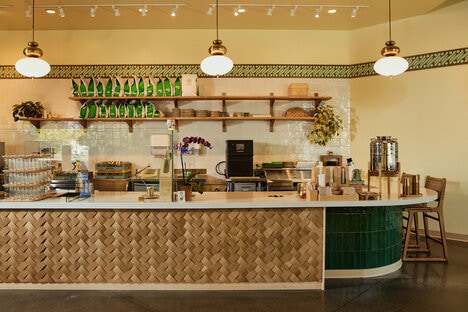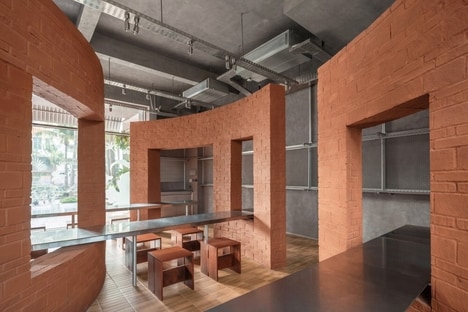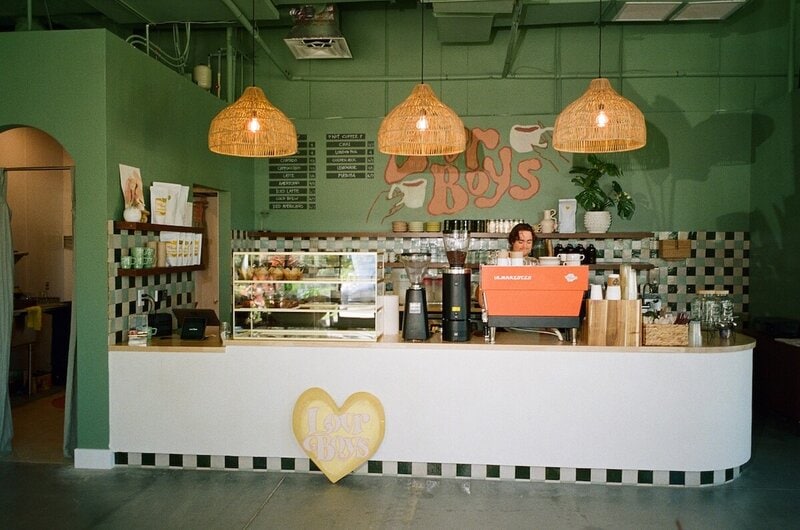
Lovr Boys Cafe & Roastery opened in late August in Bonita Springs, Florida, giving coffee drinkers a place to order drinks made from beans roasted in the same shop. Run by siblings Caleb and Anna Linn, the 2,000-square-foot cafe also pairs roasting with a bakery and kitchen.
Caleb Linn oversees coffee production on a 15-pound BC-15 Buckeye roaster, which keeps roasting close to daily service and supports Lovr Boys' wholesale work. Anna Linn leads a from-scratch bakery program, so the menu extends beyond espresso to include food made on-site.
The in-house roaster turns one Bonita Springs address into both a cafe and a small production hub, broadening how Lovr Boys can earn from the space. With plans to add more cafes, especially in nearby Naples, the format gives the company a model it can reuse without separating roasting from retail.
Image Credit: Lovr Boys
Key Themes Behind This Trend
- Integrated Cafe-roasteries
- Hybrid retail-production spaces create new revenue models by combining daily beverage service, bean roasting, and wholesale distribution under one brand experience.
- Sibling-led Hospitality Brands
- Family-run ventures can differentiate through personal storytelling, operational trust, and localized brand identity in competitive food and beverage markets.
- On-site Bakery Pairings
- Freshly made food programs expand cafe dwell time and basket size while giving coffee operators more control over quality and menu originality.
Where This Applies
- Specialty Coffee
- Small-batch roasting tied directly to retail service supports fresher products, stronger customer education, and more flexible wholesale growth.
- Foodservice
- Cafe formats that blend kitchens, bakeries, and production functions reflect a shift toward multi-use hospitality spaces with diversified income streams.
- Local Retail
- Neighborhood businesses built around craft production and community-facing service can strengthen regional loyalty while creating scalable expansion templates.