

Category
Lifestyle
Flavor Borrowing
Wearables turn passive sensing into low-friction daily health checks.


What's Happening
Silent Triage: Wearables are increasingly moving beyond fitness tracking and into recovery, rehabilitation, and everyday health oversight. New formats, from smart sheets to connected braces and glasses, are embedding monitoring into daily routines while reducing user effort. Brands are positioning wearables as continuous care tools that support both wellness and longer-term health management.
Why It's Happening
Consumers increasingly want greater visibility into their health without disrupting everyday life, making passive monitoring an appealing source of reassurance and control. At the same time, many are losing patience with devices that require constant charging, check-ins, or interpretation. As care extends across home and remote settings, wearables that fit naturally into existing routines can help bridge personal observation and professional follow-up. Brands are responding by prioritizing low-effort, unobtrusive monitoring experiences that feel supportive, useful, and easy to sustain over time.
Workshop question
Trajectory
Latest reading 7.4 for the week of Oct 12, 2026. Holding over the final 3 scored weeks (±0.0), −1.5 from its peak of 8.9 in the week of Jul 27, 2026. Momentum 4.8/10, persistence 2.5/10, backed by 4 research findings.
Evidence
Neurorester Corp Debuts the Cardio-Cerebral Sync Wearable System
Adaptive wearable therapeutics could reshape preventive care by blending biometric monitoring, user feedback, and noninvasive physiological modulation.
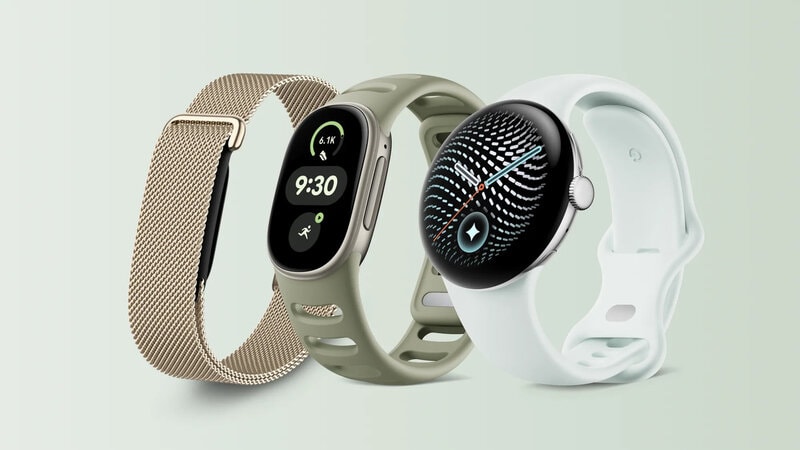
Google's Fitbit Edge Combines Health Tracking with Everyday Style
Broader demand for lightweight, multifunctional devices expands the market for health-focused products that move beyond sport-centric use cases.
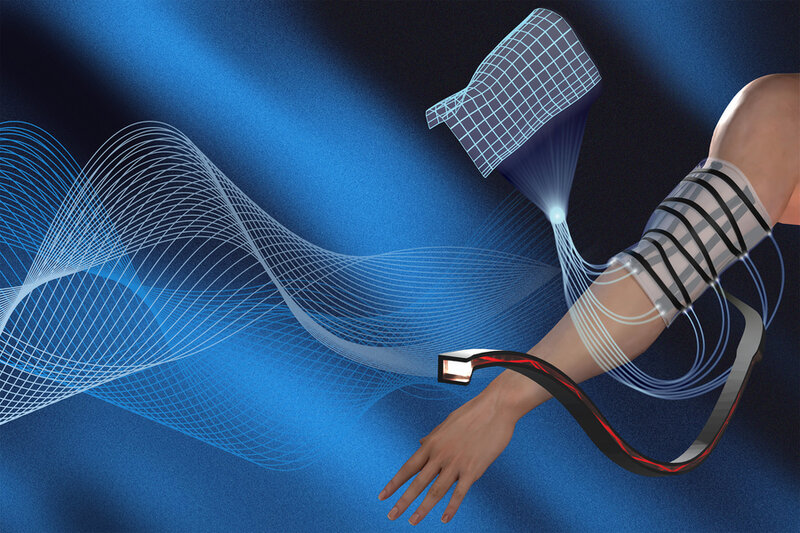
MIT Develops Flexible Materials That Track Body Movements
Rehabilitation providers gain access to movement analytics that can document patient mobility trends more naturally across clinical and remote care settings.
NeuroCore High Schoolers Build a Brace That Tracks Core Stability
Data-generating braces and wearables introduce new service models for therapists by connecting in-session guidance with post-session clinical review.
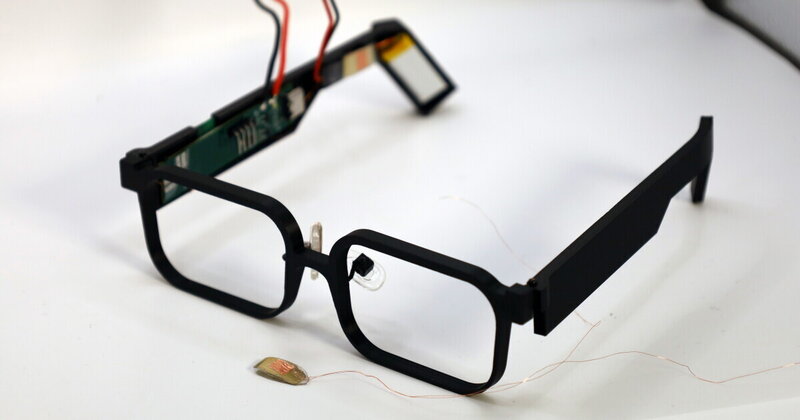
Northwestern Develops Battery-Free Health-Sensing Glasses
Energy-harvesting components give device makers pathways to lighter, lower-maintenance products that improve long-term user adherence.
10 Trend Hunter articles were grouped into the wider weekly cluster this trend was identified in, over 2 weeks.
 Smart Blood Pressure MonitorsRunStarⓡ Strengthens At-Home Health Tracking with New Product
 Smart Ring WatchesCasio CRW-H001M-8 Combines a Digital Watch with Health Tracking
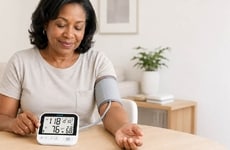 Connected Blood Pressure MonitorsThe Tenovi Gen 3 Blood Pressure Monitor Monitors Hypertension
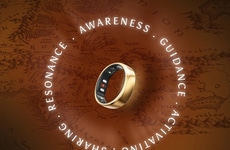 Health Tracking RingsThe RingConn Gen 3 is a Subscription-Free Smart Ring for Health Monitoring
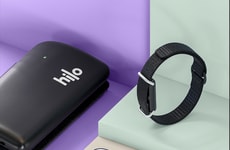 Blood Pressure Health SystemsThe Hilo Core System Becomes Available in the US
Research
Wearable Health Hubs
As healthcare systems strain and appointments get scarcer, people are eager for tools that give them continuous visibility into their bodies—without needing a clinic visit.
Reframing wearables as health infrastructure, not just step counters, meets a desire for agency, early-warning signals, and shared data that can inform both personal decisions and clinician conversations. Brands that can bridge consumer-friendly design with medically credible insights will own this new “everyday diagnostics” space.
Preventive Wearables
Consumers increasingly want health feedback that feels continuous, personal, and actionable before problems become acute.
Wearables satisfy a growing desire to turn invisible bodily states—sleep quality, stress load, heart rate, recovery—into something trackable and manageable. The emotional appeal is not just optimization, but reassurance and a greater sense of control over everyday wellbeing.
Telehealth-Linked Wearables
Patients are no longer satisfied with occasional snapshots of their health; they expect ongoing insight and easy access to clinical guidance.
By linking always-on wearables with telehealth and provider dashboards, the health system can move from reactive to preventive, catching issues earlier and personalizing recommendations. For consumers, this offers reassurance and convenience—health monitoring that fits into daily life and connects seamlessly to professionals when needed.
Ambient Health Dashboards
Health data is moving from episodic clinical snapshots to continuous, ambient streams that inform daily habits.
Consumers want to see the real-time impact of food, sleep, and stress in a simple, non-alarming way. Devices and apps that translate complex biometrics into calm, actionable cues—rather than anxiety-inducing charts—will become central to how people self-manage longevity and performance.