Category
Lifestyle
Territory Bottlings
Drink makers are turning cocktails into portable formats across all use cases.
What's Happening
Packaged Mixology: Cocktail brands are moving beyond standard spirit bottles into ready-made serves that package flavor, format, and occasion together. This shift makes the product feel closer to a complete drinking experience than a base ingredient. Packaging is becoming part of the proposition, with formats designed for convenience, portability, or group use.
Why It's Happening
Consumers appear to want drinks that reduce effort, which is being addressed with ready-made formats that reduce the friction of sourcing ingredients, mixing, and portioning at home or before a social event. The all-in-one experience helps consumers more easily interact with brands for a greater value proposition. For brands, the takeaway is that convenience now needs to carry cultural and occasion relevance too. The strongest offers are likely to be the ones that make a moment easier and complete, while still feeling distinctive.
Evidence
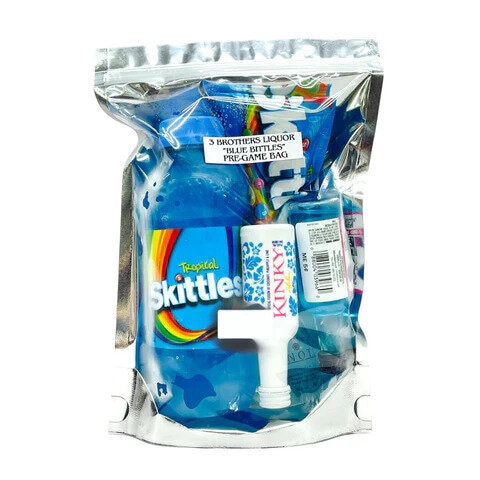
3 Brothers Liquor Sells Cocktails in a Bag for Pre-Event Consumption
Liquor stores are expanding beyond packaged bottles into curated experience kits that can drive impulse purchases and social media visibility.
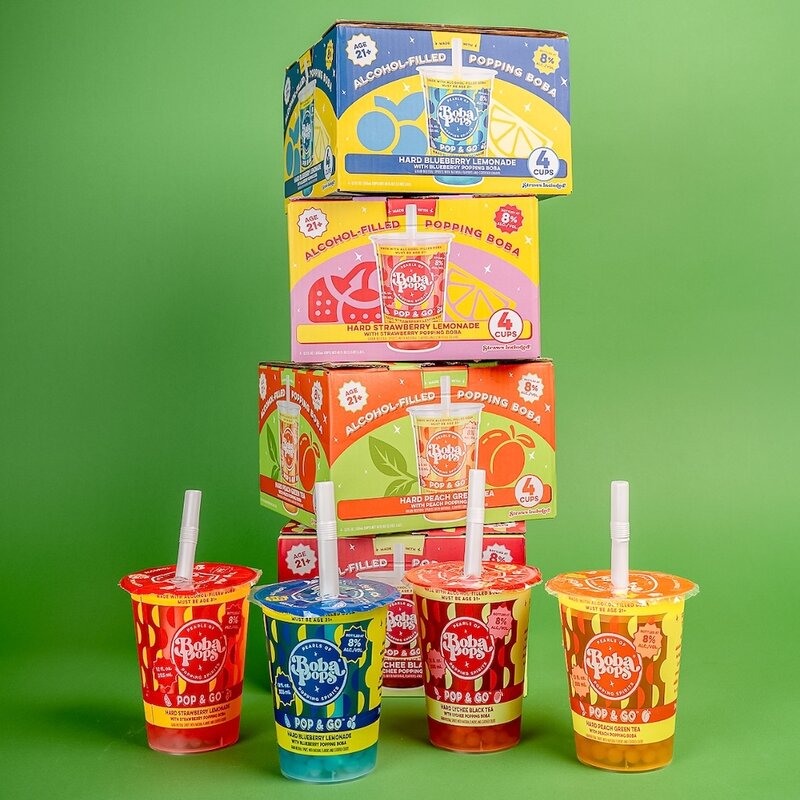
Boba POPS' Pop & Go Features Patented, Alcohol-Filled Popping Pearls
The category is evolving from flavor-led convenience into experience-driven formats where packaging, texture, and novelty can support premiumization.
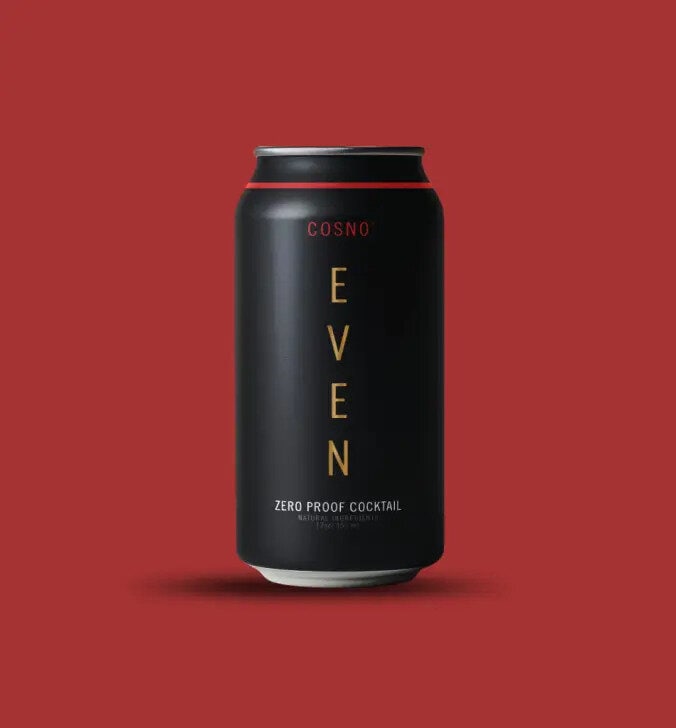
EVEN's 0% Alcohol Cocktails Streamline Behind-The-Bar Operations
Premium ready-to-serve mocktails expand the category beyond basic soft drinks, creating space for sophisticated products designed for hospitality environments.
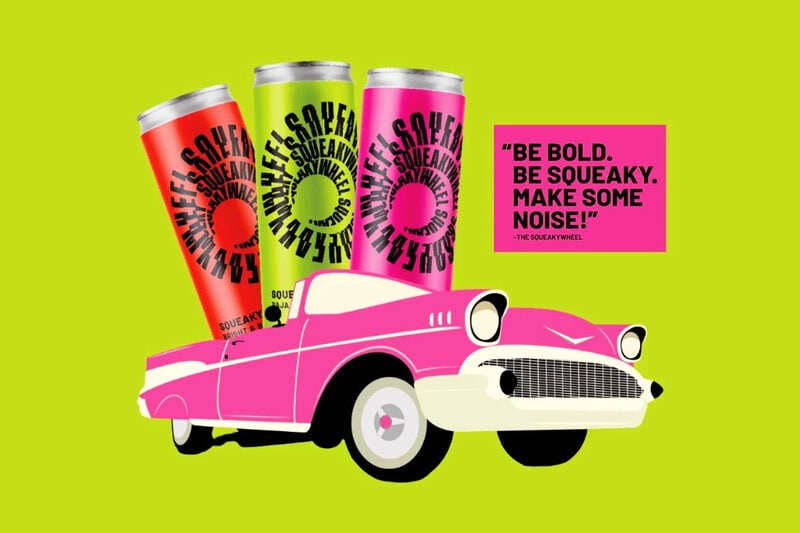
SqueakyWheel's Debut Trio is Crafted with All-Natural Ingredients
The shift toward natural ingredients and balanced sweetness signals new competitive territory for producers modernizing ready-to-drink alcohol portfolios.
Workshop question
How could your brand use format and packaging to make convenience feel more intentional and premium?
Trend themes
Cocktails are being redesigned around cans, cups, bags, and kits that turn mobility, portioning, and instant consumption into defining parts of the drinking experience.
Consumer skepticism around artificial additives is creating room for ready-made beverages that pair convenience with cleaner labels, recognizable ingredients, and trust-led flavor positioning.
Pre-game rituals, stadium visits, home hosting, and sober socializing are shaping packaged drinks that are tailored to specific moments rather than broad alcohol categories.
Industry implications
The shift from base spirits to complete packaged serves expands competition around format, flavor novelty, and experience-led value in beer, wine, spirits, and RTD categories.
Restaurants, hotels, stadiums, and bars benefit from premium pre-batched cocktail solutions that improve speed, consistency, and inclusive menu coverage without operational complexity.
Portable cocktail kits and single-serve formats create shelf opportunities for impulse-friendly products that combine affordability, entertainment, and ready-to-consume utility.
Trajectory
Latest reading 8.0 for the week of Aug 17, 2026. Holding over the final 3 scored weeks (±0.0), −0.2 from its peak of 8.2 in the week of Aug 3, 2026. Momentum 6.0/10, persistence 5.0/10, backed by 4 research findings.
4 featured from 10 articles in the wider cluster over 3 weeks. 4 evidence articles across 3 weeks, 1.3 a week on average. Busiest was Aug 3 with 2. Scores as of the week of Aug 17, 2026.
10 Trend Hunter articles were grouped into the wider weekly cluster this trend was identified in, over 3 weeks.
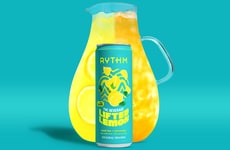 THC-Infused Iced Tea LemonadesRYTHM Lifted Lemon Combines THC, CBG, B Vitamins and More
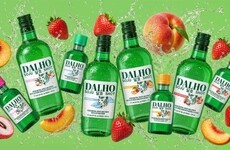 Modern Soju DebutsSazerac Enters the Soju Category with DALHO Soju
 Travel-Themed THC Beverage LinesUrb Launched Highlandia as Its Craft THC Seltzer Brand
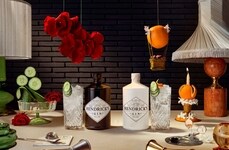 Decadence-Imbued Floral Gins'Another Hendrick’s Gin' Launches in Canada
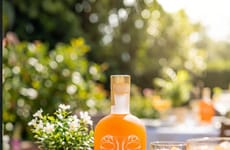 Tropical Tequila Liqueur DrinksMyst Unveils Its Myst Mango Tequila Liqueur
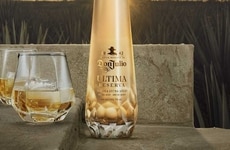 Solera-Aged Ultra-Premium TequilasDon Julio Launches Its Solera-Aged Añejo Tequila in the UK
Research
Soft Clubbing
Consumers still want the ritual, energy and identity of going out, but increasingly reject the cost, health drag and social pressure of traditional drinking culture.
Brands are responding by separating nightlife’s emotional payoff from alcohol’s downsides, creating formats that feel fun, social and culturally current without requiring intoxication or a lost next day.
Soft Socializing
Many consumers want connection without the hangover—social experiences that feel restorative, inclusive, and less performative.
‘Soft fun’ venues let people manage stimulation, prioritize health goals, and still feel culturally current. Hospitality and beverage brands that design for emotional safety, moderation, and multi-sensory comfort can capture social spend from audiences drifting away from booze-centric club culture.
Daylight Nightlife
Consumers want the mood, ritual, and identity of going out without the physical, financial, and emotional drawbacks of traditional nightlife.
This reflects a shift from intoxication-first socializing to energy-managed socializing, where fun must fit wellness goals and tighter budgets. Brands that keep the vibe while removing the damage are solving a real lifestyle tension.
Soft Social Nights
Younger consumers are drinking less and are more conscious of mental health, safety, and cost, but they still crave communal, night-time experiences.
Soft, dessert-led, or sober social formats reduce social pressure, hangover risk, and spend while still delivering atmosphere and belonging. Brands that design for cozy, camera-friendly, and lower-stimulation evenings tap into a desire for connection without self-sabotage.