Category
Lifestyle
Baseline Support
Children's action figures explore different perspectives and experiences.

What's Happening
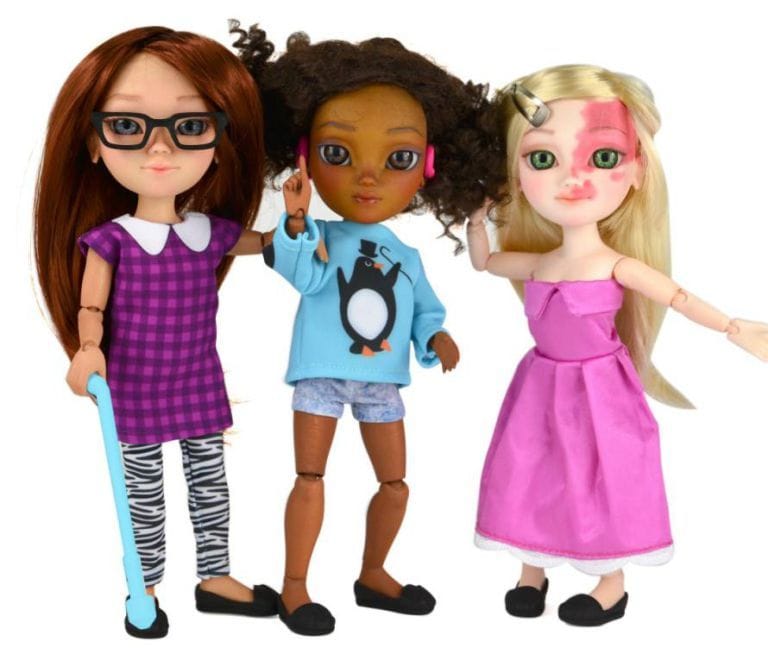
Non-Binary Figurine: As consumers begin to consider the long-term social implications of the toys they provide for their children, some toy brands are beginning to explore themes and dialogues that provide diversity and serve as a more accurate reflection of the market. Highlighting the need for consumers to see their realities reflected back at them in the products they buy, this shift demonstrates a growing awareness around the importance of educating children on the intersectional nature of identity politics.
Evidence
The Toy Like Me Campaign Spurs The Makies to Create More Diverse Dolls
Toy companies have the opportunity to disrupt the industry by creating more diverse and inclusive products.
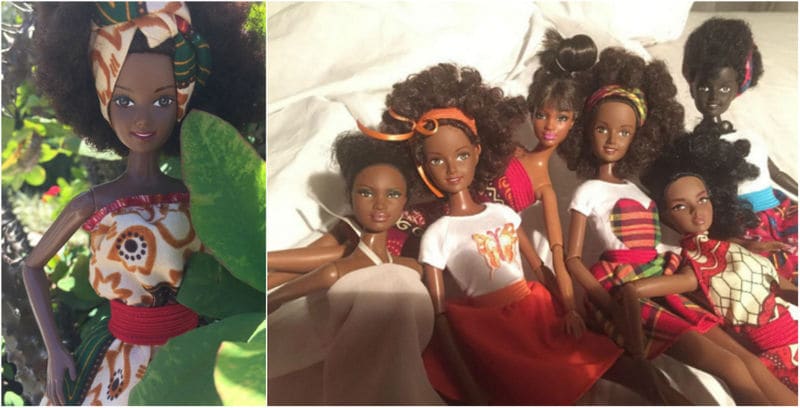
Mala Bryan Created a Line of Dolls That Celebrate Black Beauty
The toy manufacturing industry can disrupt the market by producing more diverse dolls that cater to a wider range of children.
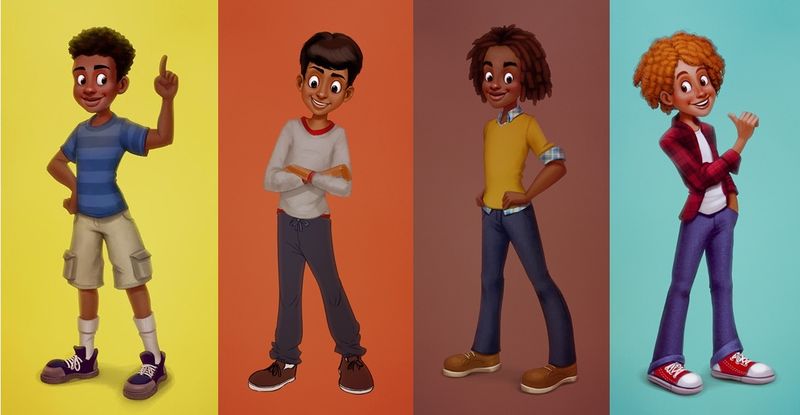
The 'Melanites' Toy Company Creates Toys for Boys of Color
Disruptive innovation opportunity: As a toy manufacturer, capitalize on the growing demand for inclusive toys, specifically targeting boys of color, to tap into an underserved mar…
The American Girl Diabetes Care Kit Teaches Young Girls About Illness
Toy manufacturers can develop and market toys that promote health education and inclusive play.
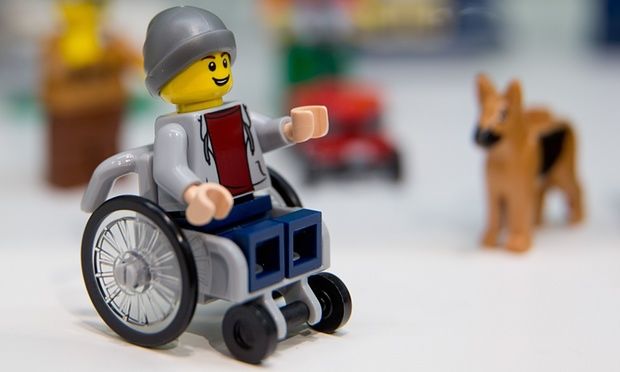
This LEGO Figurine Represents a Step Towards More Inclusive Toys
The toy industry has the opportunity to disrupt traditional norms by offering more inclusive toys like LEGO's wheelchair-using figurine.
Workshop question
In what ways can you acknowledge the diversity and complexity of your consumer base?
Trend signals
Trend score 3.6 out of 10, from popularity 39%, activity 62%, freshness 8%.
Trend themes
Brands are exploring themes and dialogues that provide diversity and serve as a more accurate reflection of the market in their toy offerings.
Companies are manufacturing customizable toys that cater to various marginalized groups, addressing the market need for more inclusive toy offerings.
Toys that educate children on identity politics, disability, and illness are becoming popular to encourage awareness and acceptance right from early age.
Industry implications
The toy industry could benefit from developing more inclusive toys that reflect marginalized groups and promote diversity and education.
There is huge potential for 3D printing technology to provide customizable toy solutions that cater to different marginalization groups and promote inclusivity.
The education industry could leverage these toys to impart valuable lessons of inclusivity, representation, and acceptance to children at an early age.