Category
Business
Occasion Commerce
Workplaces launch innovative customizable benefits programs for modern workers.

Trend
Modern Benefits: Businesses are launching new benefits programs with tailored benefits per employee, exchangeable and customizable benefits, and unique incentives. These programs are engineered to maximize usable benefits for employees while saving businesses money on unused benefits.
Insight
Many employees feel disconnected from traditional benefits packages that include perks they never use or don’t value. Standardized offerings often fail to reflect different life stages, cultural needs or financial priorities, leaving people frustrated and employers paying for underutilized programs. Flexible benefits ecosystems solve this by giving workers agency: they can select perks that fit their lifestyle, swap unused items with peers and access marketplaces that evolve with changing needs.
Trend themes
Modular benefits platforms are creating room for employers to replace one-size-fits-all packages with adaptive marketplaces that better match worker lifestyles, classifications and financial priorities.
Hybrid workplace programs are shifting from attendance mandates toward selectable perk tiers, revealing opportunities for incentive systems that reduce friction while supporting voluntary behavior change.
Health, wellness and lifestyle accounts are converging through connected marketplaces, opening space for seamless eligibility, compliance and payment infrastructure across employee-funded and employer-funded benefits.
Industry implications
Benefits administration software is evolving into a personalized engagement layer where automation, compliance tools and employee choice can reshape how companies manage retention.
Workforce wellbeing providers are expanding beyond traditional insurance-adjacent perks into curated ecosystems for fitness, recovery, sleep, women’s health and everyday lifestyle support.
Changing expectations around flexibility, hybrid schedules and worker autonomy are creating demand for workplace models that tie support, incentives and culture to individual needs.
Workshop question
Trend signals
Trend score 4.8 out of 10, from popularity 31%, activity 29%, freshness 84%.
Evidence
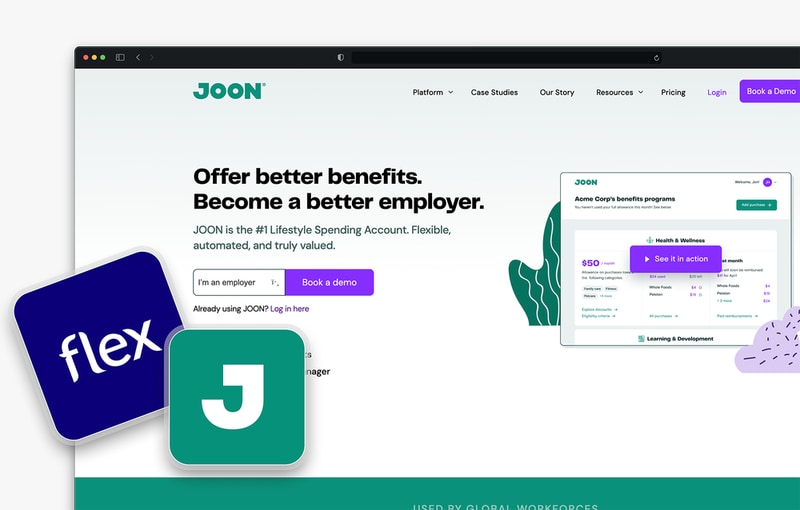
Flex Partners with a Modern Employee Benefits Platform
Modern benefits platforms that manage eligibility and payments are positioned to become commerce hubs that mediate and monetize integrated benefit spend across multiple account ty…
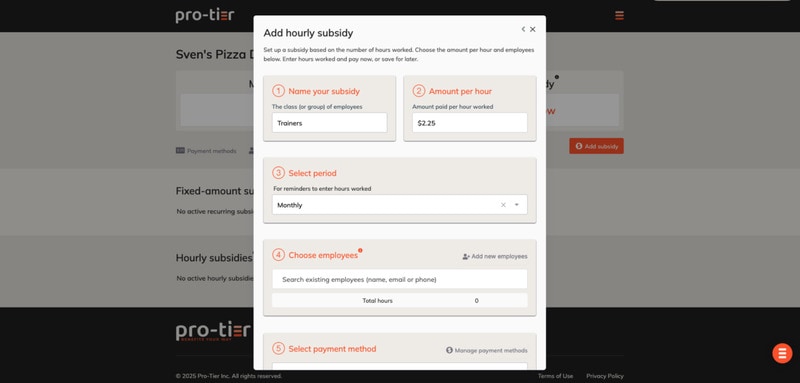
Pro-Tier Has Officially Launched Its Beyond Beta Platform
The evolution of employee benefits platforms is fostering a new era in HR tech, focusing on personalization and comprehensive coverage.
Perk Exchange Lets Employees Swap Workplace Benefits They Don't Use
HR platforms can evolve beyond administration by embedding marketplace mechanics that make benefits more dynamic, measurable, and employee-centered.
Superhuman Launches the Ways of Working Program
Flexible demand patterns tied to tiered attendance could enable adaptive leasing models and shared-space platforms optimized for variable occupancy.