



Category
Tech
Delegated Interfaces
AI companies launch context sync to preserve data across devices and sessions.
Trend
Contextual AI: AI chatbots are adding cross‑device context sync so conversations, project details and long‑running tasks follow users from one device to another. Brands position this continuity as a productivity upgrade that eliminates repetition, preserves momentum and makes AI feel like a persistent assistant..
Insight
Many users feel frustrated when switching devices forces them to restart conversations, re?explain project details or lose track of ongoing tasks. This fragmentation slows work, breaks focus and reduces trust in AI tools. In response to this, brands aim to solve these issues by linking conversations to user identity rather than a single surface. Whether moving from laptop to phone or picking up a task hours later, users retain full history, preferences and progress.
Trend themes
Durable context layers are turning AI tools into long-running collaborators, creating room for privacy-first memory systems that retain preferences, project history, and task knowledge across sessions.
Seamless handoffs between phones, laptops, wearables, and spatial devices are reshaping assistant expectations, opening space for identity-linked AI experiences that preserve momentum across every interface.
User-controlled prompt profiles, personas, and preference vaults are emerging as connective tissue between platforms, suggesting new value in interoperable context standards that reduce lock-in.
Industry implications
Workplace platforms can gain relevance as AI continuity becomes embedded into documents, calendars, messages, and project systems to minimize repeated briefing and fragmented workflows.
Device ecosystems are positioned to differentiate through synchronized assistants that understand screen content, app activity, and user intent across personal hardware environments.
As persistent AI memory expands, secure storage, local-first architectures, permission controls, and auditable context sharing become critical areas for trusted innovation.
Workshop question
Trend signals
Trend score 4.8 out of 10, from popularity 33%, activity 28%, freshness 84%.
Evidence
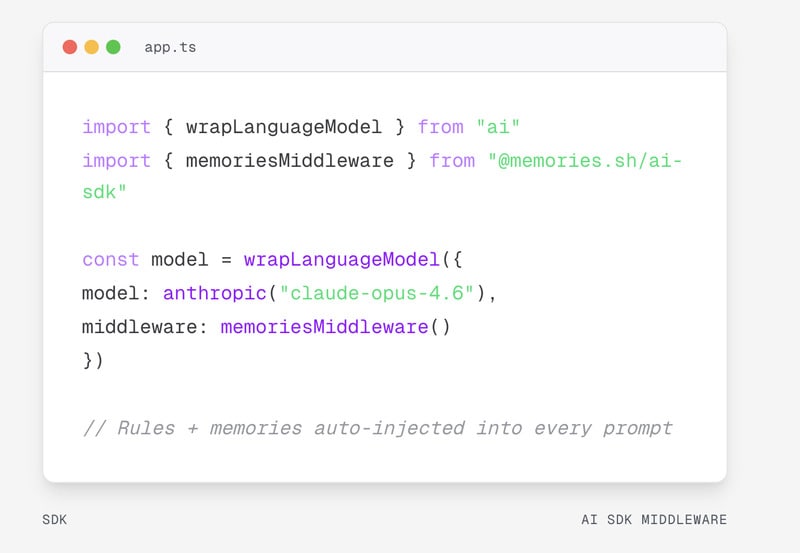
Unified Agent Memory Layer Stores Rules, Context, & Skills for AI Apps
Long-lived agent state and native tool integrations permit development of collaborative coding assistants that remember project conventions and reduce repetition across sessions.
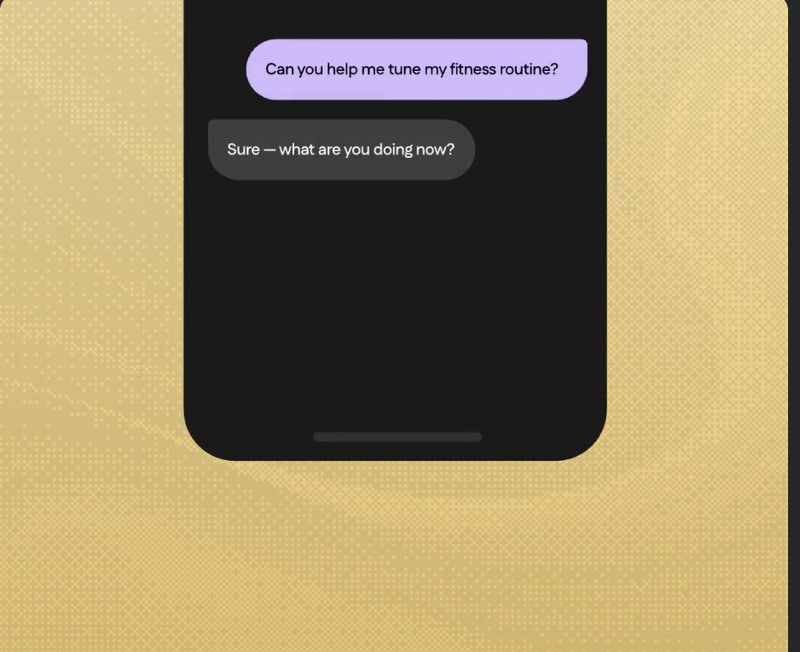
OpenMemory Syncs Context Across Your Favorite AI Assistants
Cross-platform memory layers could shift differentiation from isolated model performance toward ecosystems that understand users consistently across tools.
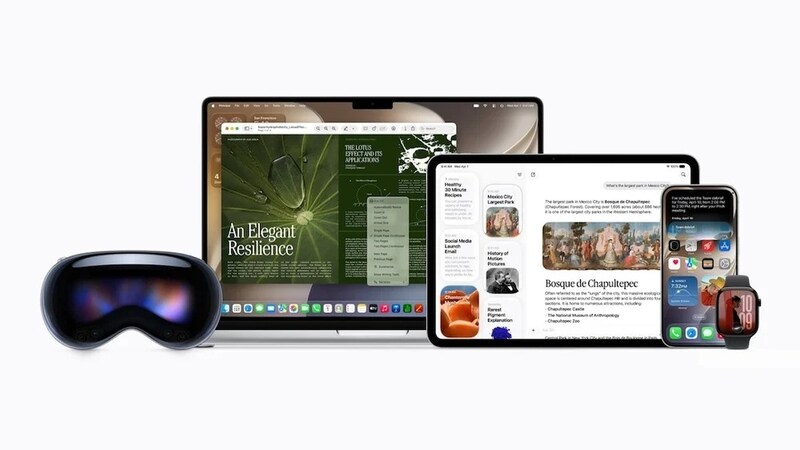
Siri AI Becomes a Context-Aware Assistant Across Apple Devices
Device makers gain new differentiation through embedded AI assistants that make hardware ecosystems feel more adaptive, interoperable, and responsive to individual user behavior.
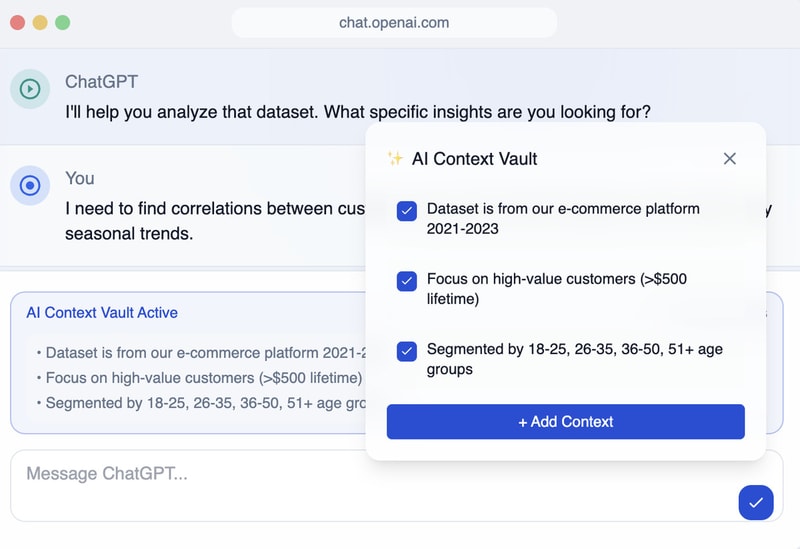
AI Context Vault Keeps Your Prompts Personas And Preferences Synced Everywhere
Platform-agnostic context systems expand the value of AI assistants by making personalization independent from any single model or interface.






