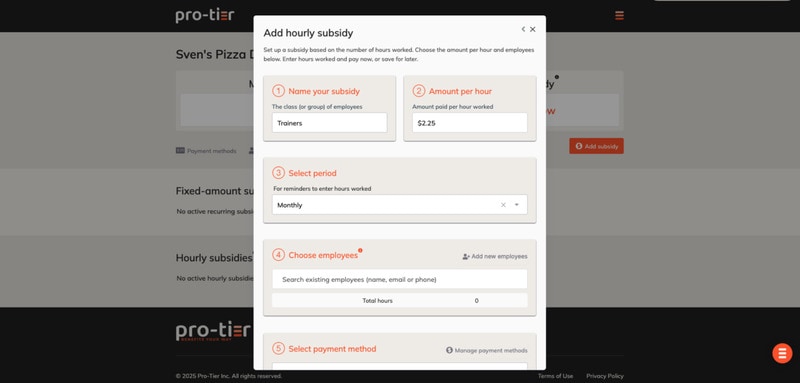
Pro-Tier's Beyond Beta introduces a transformative approach to employee benefits by prioritizing flexibility and personalization. The platform enables businesses to allocate customized subsidies that employees can apply toward a wide selection of benefits — including medical, dental, vision, and retirement plans — regardless of their employment classification.
Pro-Tier's Beyond Beta model addresses the rigid structures of traditional benefits packages by offering a more adaptable solution that accommodates diverse workforce needs. The innovation is noteworthy because it covers everyone — from full-time staff to hourly and contract workers. During its beta testing phase, the platform demonstrated particular success within the fitness industry, where it reportedly reduced employee turnover by approximately 30% among participating businesses.
Companies stand to benefit from streamlined administration, as Pro-Tier manages enrollment and compliance.
Image Credit: Pro-Tier
Why This Trend Is Growing
- Flexible Benefit Allocation
- The shift toward tailor-made benefits allows employees greater control in selecting benefit options that suit their individual needs, disrupting the one-size-fits-all model.
- Cross-class Employee Coverage
- Including contract and hourly workers in benefits plans is transforming the traditional employment benefits landscape, which often excludes these groups.
- Data-driven Turnover Reduction
- Innovative platforms that leverage data analytics for personalization are proving effective in reducing employee turnover by aligning benefits more closely with employee preferences.
Industries Being Reshaped
- Human Resources Technology
- The evolution of employee benefits platforms is fostering a new era in HR tech, focusing on personalization and comprehensive coverage.
- Healthcare and Wellness
- Personalized benefits that include diversified health options are revolutionizing how wellness packages are structured across industries.
- Gig Economy Employment
- Platforms that integrate gig and contract workers into traditional benefit systems are reshaping support structures in the gig economy.