Category
Lifestyle
Assisted Choices
Keeping consistency, yet remaining current means evolving brand representatives.

Trend
Mascot Adapation: For decades, mascots have proven an effective way to establish brand presence; however, this idea may be dated for consumers seeking a more personable, customized connection from brands. Battling this means adapting mascots to mimic the times. This provides both novelty, and a topical connection.
Trend themes
Consumers are seeking more personable, customized connections from brands, which requires adapting mascots to be more relevant with the times.
Brands are leveraging humor and pop culture to make mascot ads engaging and relatable to consumers.
Mascots are being integrated into larger brand universes to maximize their impact and create more engaging ad campaigns.
Industry implications
The advertising industry can utilize personalization, humor, and expanding brand universe trends to create engaging and relevant Mascot-based ad campaigns.
Mascots can be integrated into broader entertainment universes to create more immersive, interactive experiences for fans, leveraging the expanding brand universe trend.
Consumer goods companies can utilize personalization and humor trends to create memorable and relatable brand mascots that resonate with their target demographics.
Trend signals
Trend score 4.2 out of 10, from popularity 73%, activity 44%, freshness 8%.
Evidence
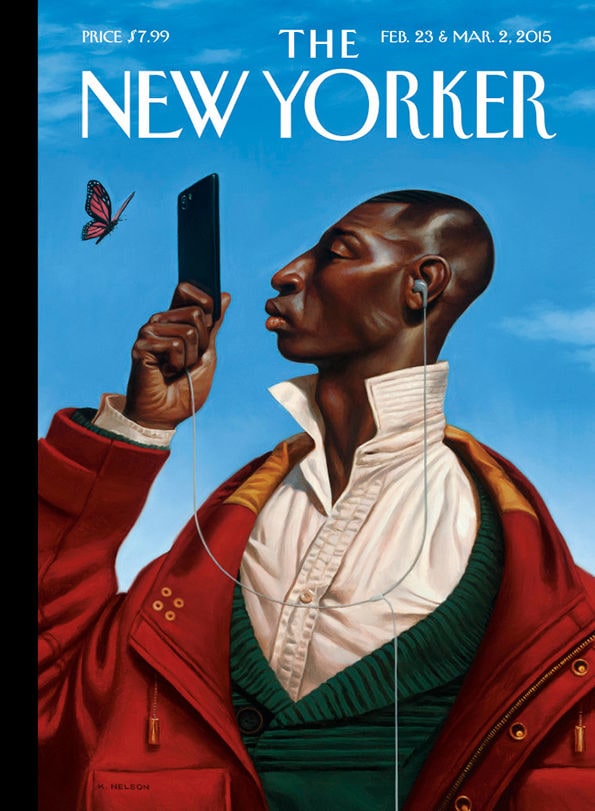
The New Yorker Releases Nine Covers in Celebration of 90 Years
Publishers can draw inspiration from The New Yorker's anniversary covers to create unique experiences for their readers and commemorate milestone occasions in new ways.
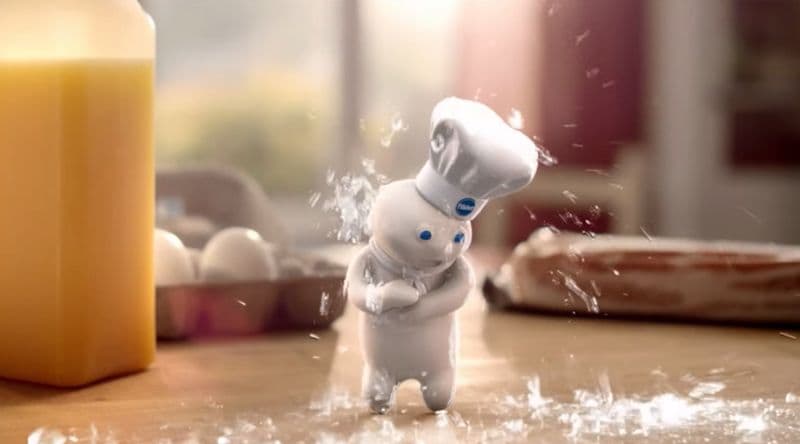
Pillsbury's Ice Bucket Challenge Video Stars a Brave Poppin' Fresh
Opportunities for companies to leverage social media trends to create buzz and connect with customers in innovative ways
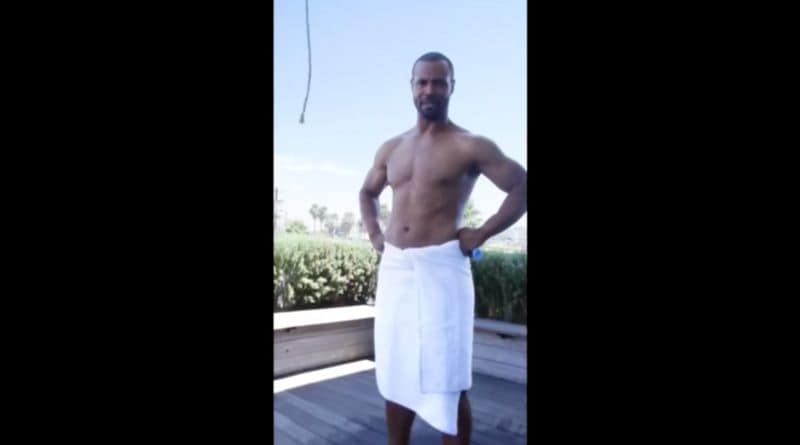
Old Spice's ALS Ice Bucket Video is as Epic as Expected
Opportunity for beauty and personal care brands to create viral campaigns that promote social causes.
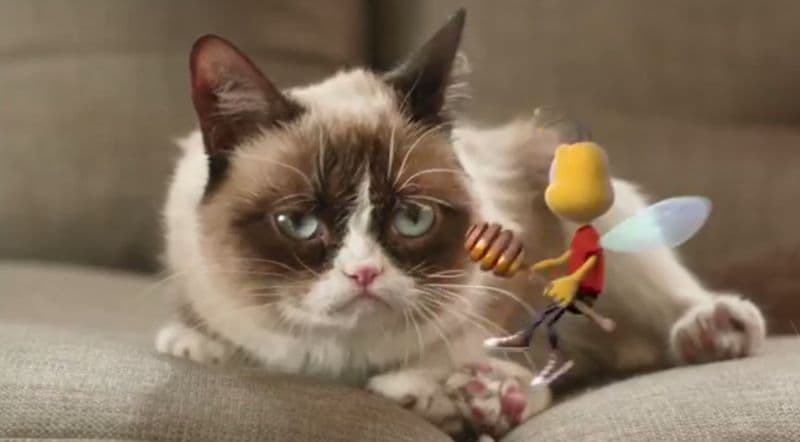
This Honey Nut Cheerios Ad Features Buzz Meeting Grumpy Cat
Opportunity for food and beverage companies to leverage popular memes and humor in their advertising to attract and engage consumers.
This Dos Equis Beer Ad Honors 'the Most Interesting Man in the World'
The alcohol industry has an opportunity to create cult-like ads, featuring charismatic figures, to appeal to a broader audience.