Category
Lifestyle
Assisted Choices
The popularity of cult anime cartoons is making its way into mainstream campaigns.
Trend
Manga Marketing: As elements of Asian culture and media continue to expand into North American markets, distinctly cultural aspects like anime and manga cartoons are becoming more approachable to mass consumers. Referencing cult classics like Sailor Moon and Pokemon, campaigns are using aspects of Asian culture to incite nostalgia and intrigue.
Trend themes
Aspects of Asian culture like anime and manga cartoons are becoming more approachable to mass consumers
Campaigns are using elements of Asian culture like cult classics such as Sailor Moon and Pokemon to incite nostalgia and intrigue.
Companies are launching anime and manga-themed travel campaigns with fun activities and opportunities for passionate fans.
Industry implications
Companies use anime and manga characters to promote their products or services, targeting fans of the popular culture
Companies are offering anime and manga-themed travel packages and hotel experiences to attract fans and provide unique experiences
Companies are using anime characters to promote their banking and insurance services, making them more relatable and personable
Trend signals
Trend score 3.3 out of 10, from popularity 61%, activity 31%, freshness 8%.
Evidence
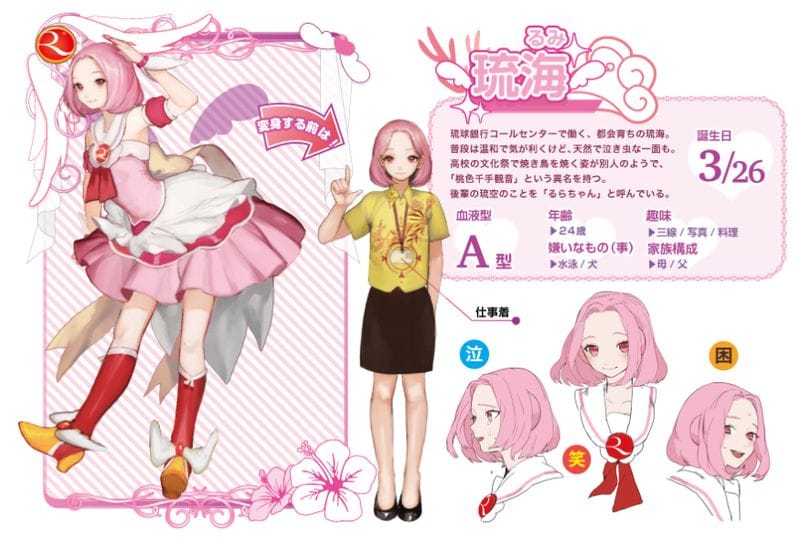
Okinawa’s Bank of the Ryukyus Bank Ad Campaign Stars Colorful Characters
Opportunity for banks to leverage anime characters and storytelling techniques in their marketing campaigns to engage with customers in a unique and memorable way.
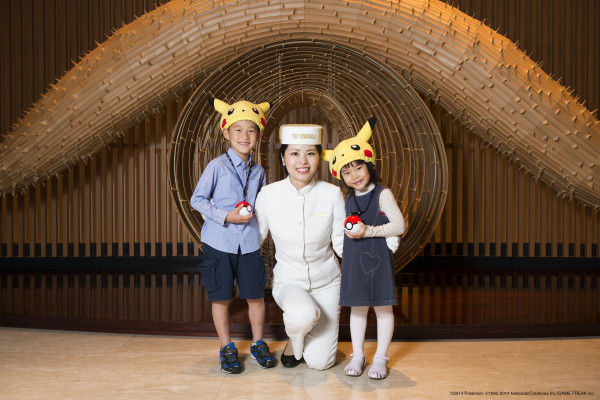
The Pokemon Hotel Adventure is Part of a New Peninsula Tokyo Campaign
Luxury hotels can tap into the growing demand for experiential travel by offering themed activities and immersive experiences for guests.
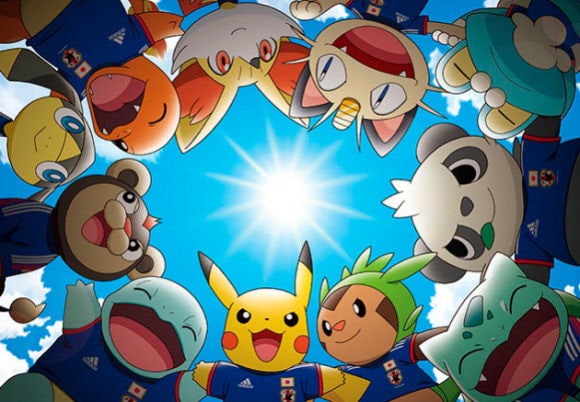
Japan Chose Pikachu as the Mascot for the FIFA 2014 Games
The use of anime mascots in sports events creates disruptive innovation opportunities in the sports marketing industry.
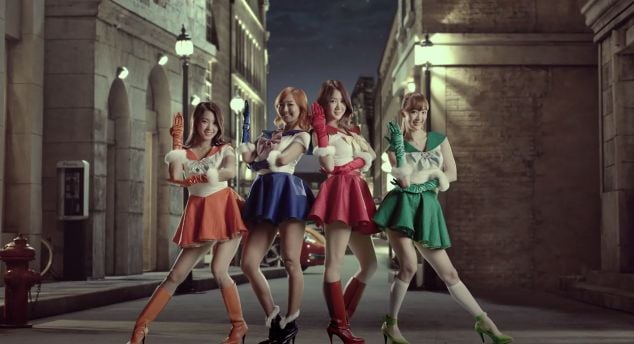
The Korean Pop Group 'Sistar' Parodies Sailor Moon in This Commercial
The e-commerce industry can explore collaborations with popular anime shows or characters to attract younger consumers and enhance brand visibility through unique marketing campai…
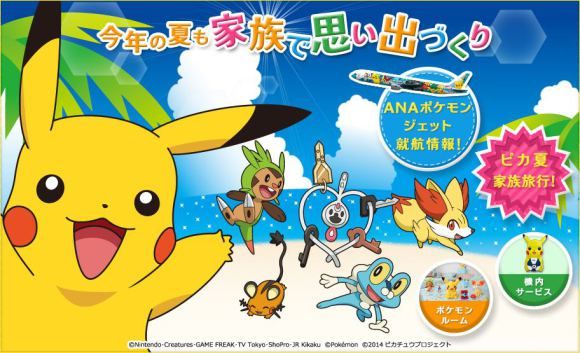
All Nippon Airways Has a Special Summer Pokemon Travel Campaign
Airlines can leverage popular franchises to create unique travel experiences and attract a wider customer base.