Category
Tech
Persistent Context
Consumers select retro toys that recall the early days of tech toys.

What's Happening
Low-Tech Nostalgia: As consumers look for time-tested resources to provide to their children, many are embracing low-tech gadgets that take inspiration from the earliest examples of tech-infused toys. Now considered to be "low-tech," such products provide parents with the option to push back against the proliferation of digital devices to children, while they also provide a nostalgia factor that is of particular interest to Millennial parents.
Evidence
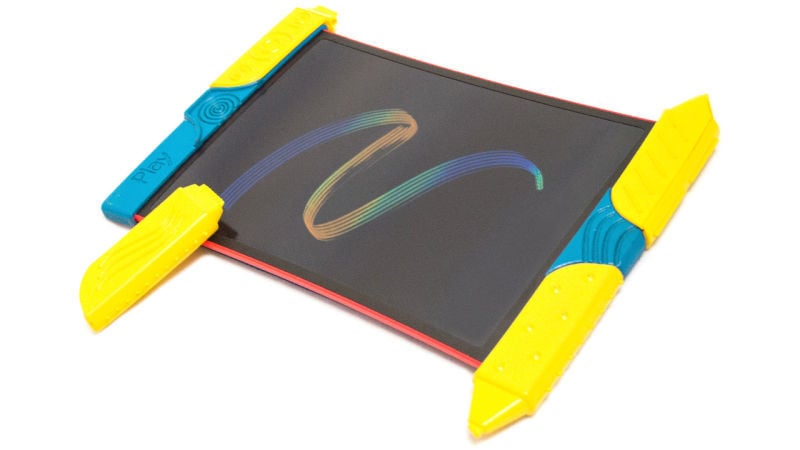
Boogie Board's Scribble n' Play eWriter Lets Kids Doodle in Color
Ewriters and future low-tech writing tablets could become the future of education, revolutionizing how students learn and take notes.
This Paper Minecraft Toy Set Takes the Game's Best Elements Offline
Creating and producing paper versions of popular digital games for kids.
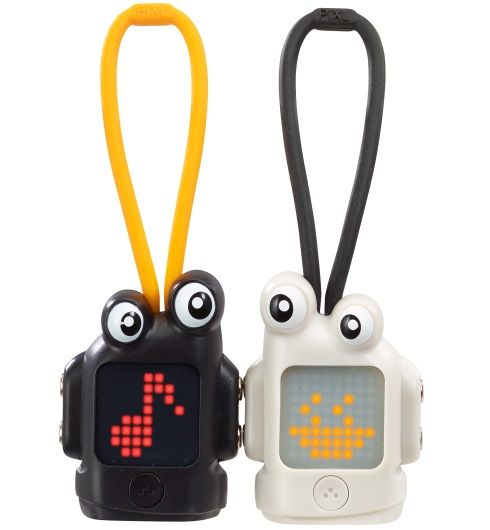
PIXL Characters Display Their Personalities on a Small 8-Bit Display
Opportunity for toy manufacturers to tap into the market for emotive pixel toys that combine digital interactivity and personal expression.
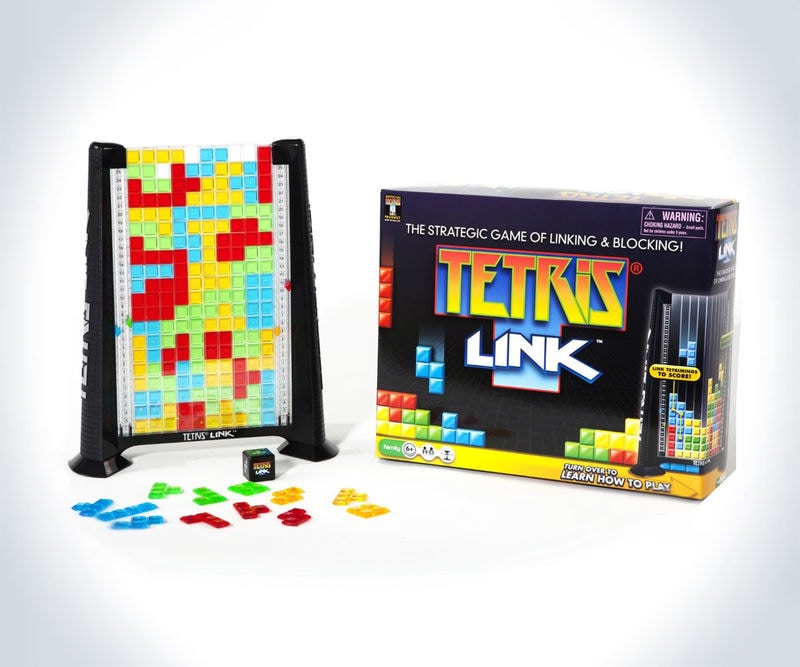
Tetris Link Lets You Challenge Friends and Family to an IRL Battle
Introducing innovative analog games, such as Tetris Link, creates new market opportunities for toy and game manufacturers.
Workshop question
How can your brand encourage engagement through nostalgia and a youthful sense of play?
Trend themes
Low-tech gadgets that provide a nostalgia factor to push back against the proliferation of digital devices to children.
Offline adaptations of popular online games and toys, such as Minecraft and Tetris, to promote low-tech play.
Innovative tablets for kids’ writing and drawing that preview the future of writing tablets for students and adults alike.
Industry implications
Companies that design and manufacture contemporary low-tech and offline toys for kids and teenagers.
Businesses that focus on exploring unique ways of bringing the digital and real worlds together or creating innovative e-reading and e-writing devices.
Institutions that seek to implement an affordable, low-tech E-Learning system accessible to parents and students.
Trend signals
Trend score 3.1 out of 10, from popularity 49%, activity 35%, freshness 8%.