Category
World
Site Specificity
Operators package longer, more varied voyages around routes and seasons.
What's Happening
Itinerary Stretch: Cruise operators are building programs around broader route logic, including multi-port sailings, region-specific coastlines, and canal-crossing repositioning trips. This shifts the offer from a single destination to a fuller journey across several stops or transit experiences. These packages turn a cruise into a wider vacation plan rather than an isolated segment.
Why It's Happening
Travelers are increasingly gravitating towards trips that feel more comprehensive without having to assemble every part themselves. A combined route, timing, and land component can reduce planning friction while making a vacation feel more substantial. When a single purchase covers multiple places and formats, it responds to consumers seeking more value and better use of vacation time. The takeaway for brands is that people may respond to offers that package progression, not just access. Designing around a fuller arc of experiences can make a standard category feel more purposeful and differentiated.
Evidence
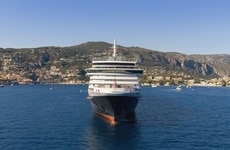
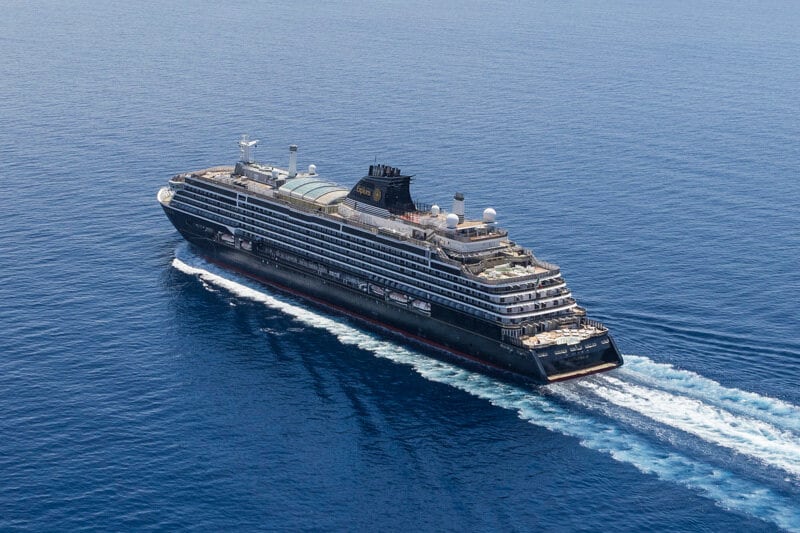
Explora Journeys Sends Explora III into North America
Premium cruise operators can differentiate through seasonal fleet choreography that blends exclusivity, continuity, and changing regional access for high-value travelers.
Cordelia Rewires 1,300 km of Cabling Into the Cordelia Sky
Fleet refreshes and regional deployment strategies are reshaping how cruise operators localize offerings for emerging leisure markets.
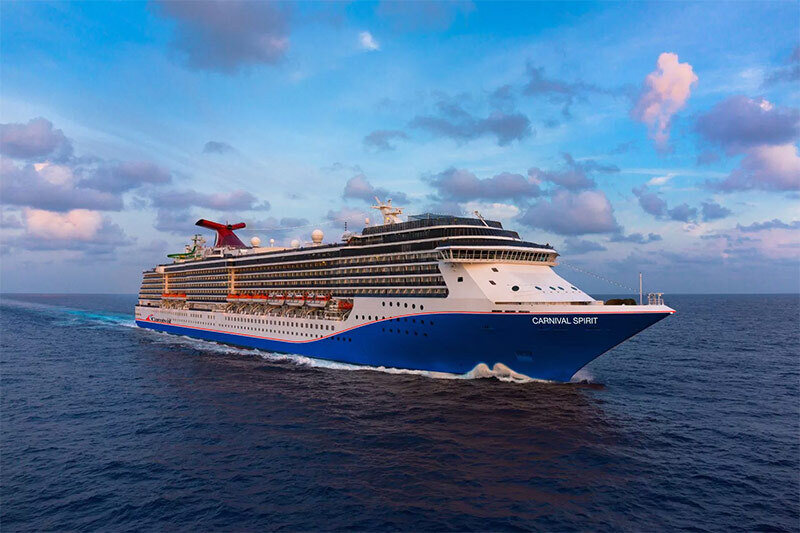
Carnival Opens 2028-29 Sailings to Alaska, Hawaii and Mexico
Expanded West Coast programs point to new ways for operators to diversify routes, optimize ships seasonally and deepen loyalty through regional departure convenience.
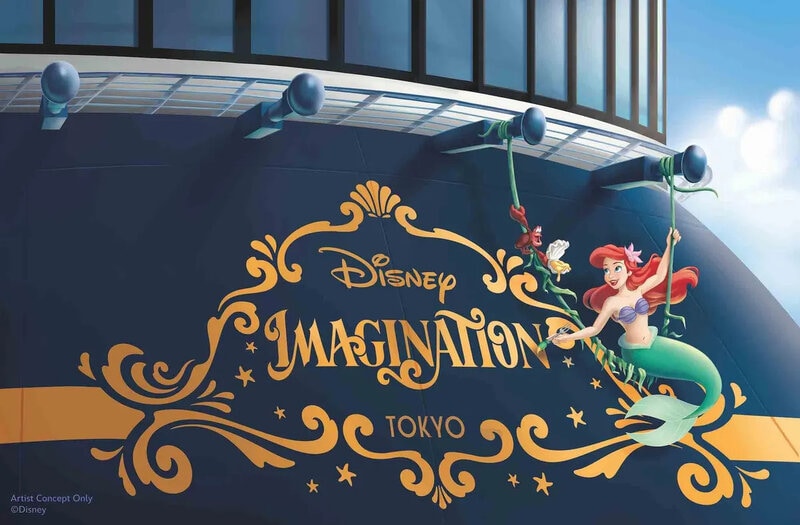
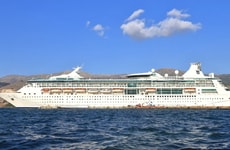
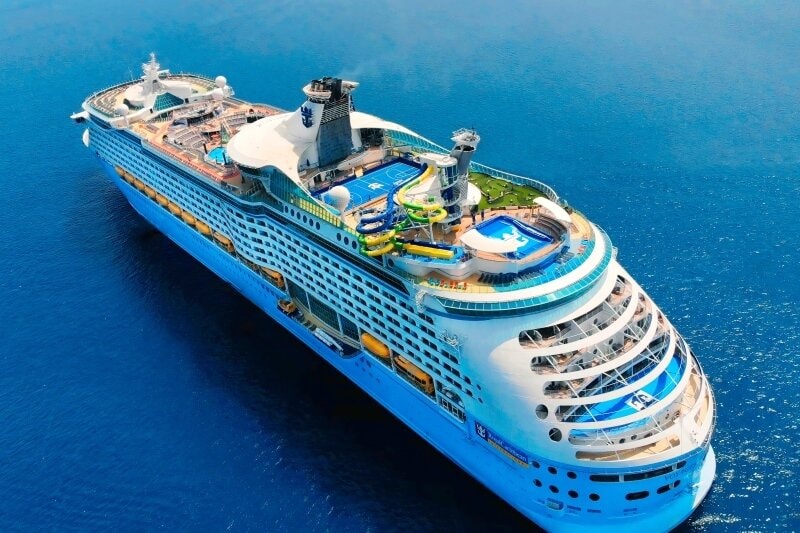
Royal Caribbean's Voyager of the Seas Plans Japan Cruises
Season-specific routes around Japan highlight how cruise lines can differentiate capacity through event-based demand rather than standard port rotation.
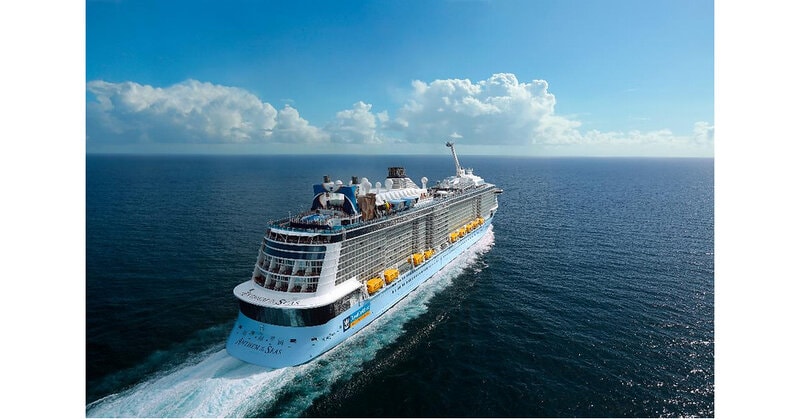
Royal Caribbean Extends Alaska Sailings with Inland Adventures
Cruise operators are broadening beyond ship-based experiences by owning more of the end-to-end journey through land extensions and destination partnerships.
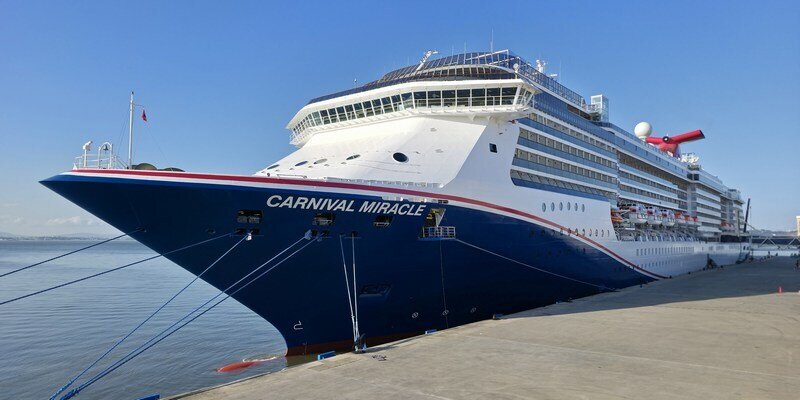
Carnival Turns a Ship Relocation Into a Bookable Cruise
Relocation sailings create new inventory from necessary fleet movements, expanding product variety without requiring additional ships.
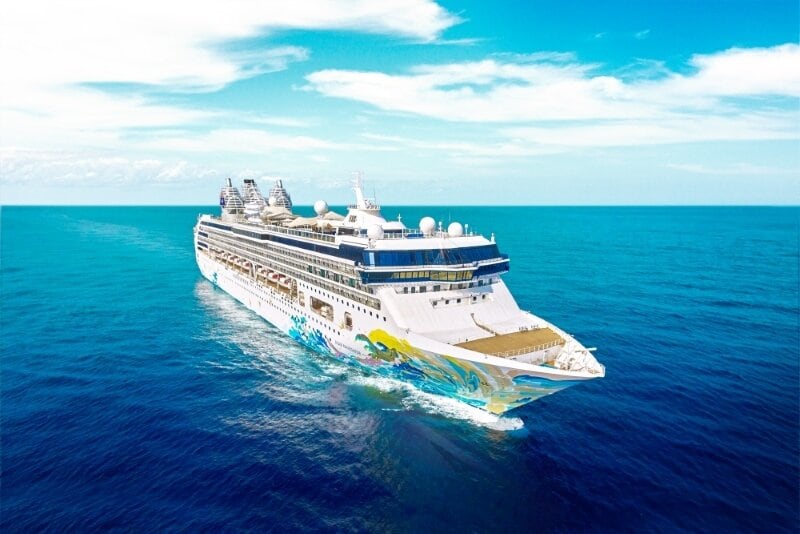
Star Navigator Adds Kaohsiung Departures to Keelung Routes
More adaptive routing models are reshaping cruise tourism by making departure location, trip duration, and seasonal timing core parts of the value proposition.
Workshop question
How could your brand turn a single purchase into a more complete end-to-end experience?
Trend themes
Cruise products are becoming fuller vacation arcs, creating space for bundled routing, accommodations, excursions, and transfers that simplify complex multi-stop travel.
Repositioning and seasonal redeployments are evolving into bookable experiences, allowing operators to monetize fleet movement while offering travelers rare routes and timing-specific escapes.
Variable homeports, itinerary lengths, and themed seasonal windows reflect demand for cruise formats that fit different schedules without reducing destination variety.
Industry implications
Integrated trip design across transport, lodging, and activities can reshape packaged vacations for consumers seeking more value from limited leisure time.
Hotels, resorts, and tour operators can benefit from connected land-and-sea itineraries that extend stays and capture spending beyond the core cruise segment.
Rail, air, port, and transfer networks are increasingly important as seamless movement between regions becomes a differentiator in multi-stage vacation planning.
Trajectory
Latest reading 6.0 for the week of Oct 12, 2026. Holding over the final 3 scored weeks (±0.0), at its peak of 6.0. Momentum 2.0/10, persistence 2.5/10, backed by 2 research findings.
9 Trend Hunter articles were grouped into the wider weekly cluster this trend was identified in, over 2 weeks.
Research
Creator Itineraries
Travel is increasingly an identity product, but consumers want that identity expressed with less effort.
Younger travelers are looking for trips that feel personalized, socially legible, and story-worthy without demanding heavy planning labor. That creates opportunity for brands that combine inspiration, customization, and friction reduction in one offer.
Seven-Generation Trips
Family travel is no longer a simple parent-child decision; it is becoming a coordination challenge across very different ages, budgets, rhythms, and accessibility needs.
That changes what hospitality brands must design for, because one booking now often represents multiple life stages and multiple definitions of value at once.