Category
Tech
Delegated Interfaces
Virtual marketplaces increasingly offer intangible services.

Trend
Intangible Marketplace: Virtual marketplaces are no longer only offering tangible products, but are increasingly focusing on providing various services, both functional and aesthetic-based, for consumers to barter, purchase and engage with. This shift indicates the ever-growing entrenchment of the Internet as an alternate world–in which the same cultures, hobbies and purchasing habits of consumers that exist in reality can exist in a less controlled, personalizable environment.
Trend themes
Virtual marketplaces are no longer only offering tangible products, but are increasingly focusing on providing various services, both functional and aesthetic-based, for consumers to barter, purchase and engage with.
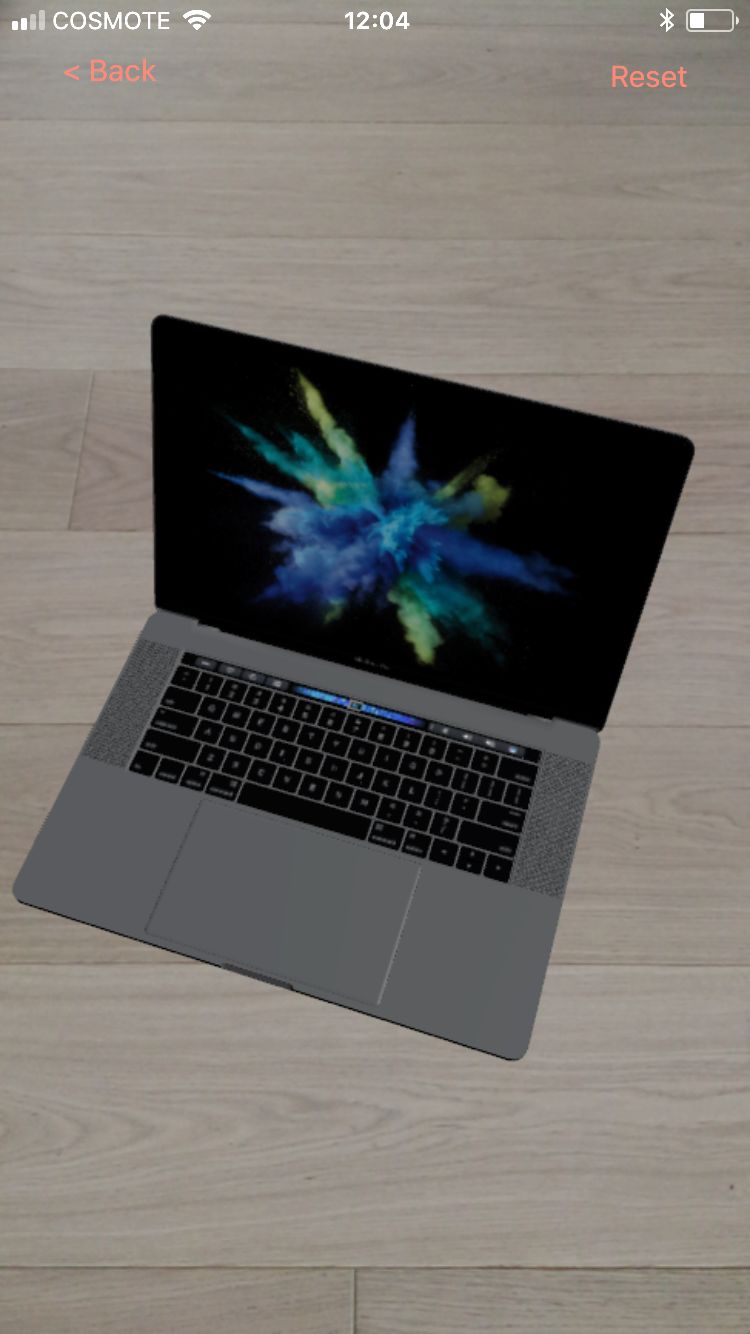
Augmented Reality (AR) technology is increasingly being used in virtual marketplaces to allow users to see products in a more realistic manner and make more informed purchase decisions.
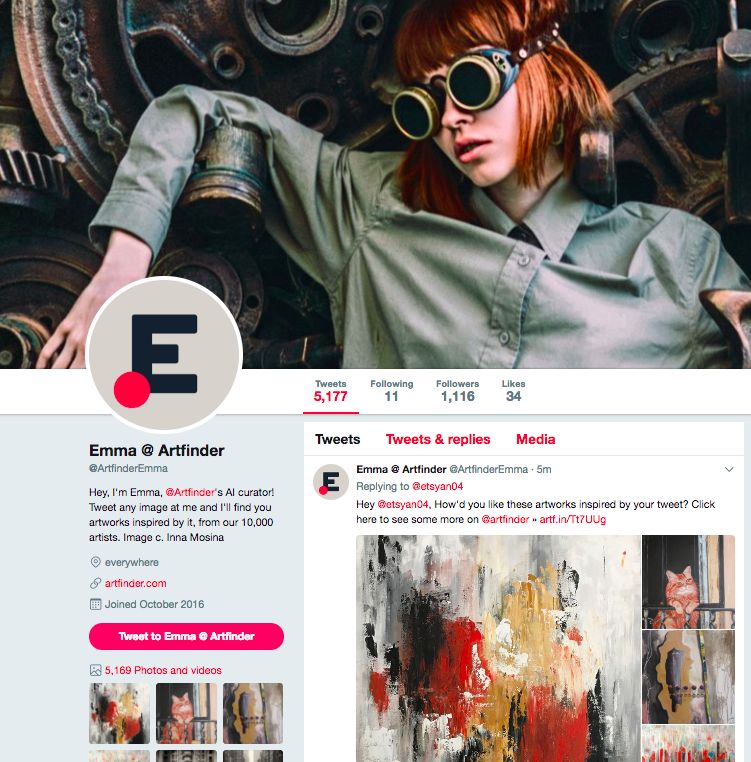
Artificial Intelligence (AI) is being leveraged in the art world to help users find the perfect pieces of art for their tastes and preferences.
Industry implications
Virtual marketplaces are changing the way consumers shop for products and services, so businesses must adapt to stay competitive and meet evolving consumer demands.
The art market is being disrupted by AI technology, which is making it easier than ever for consumers to find the perfect pieces of art for their tastes.
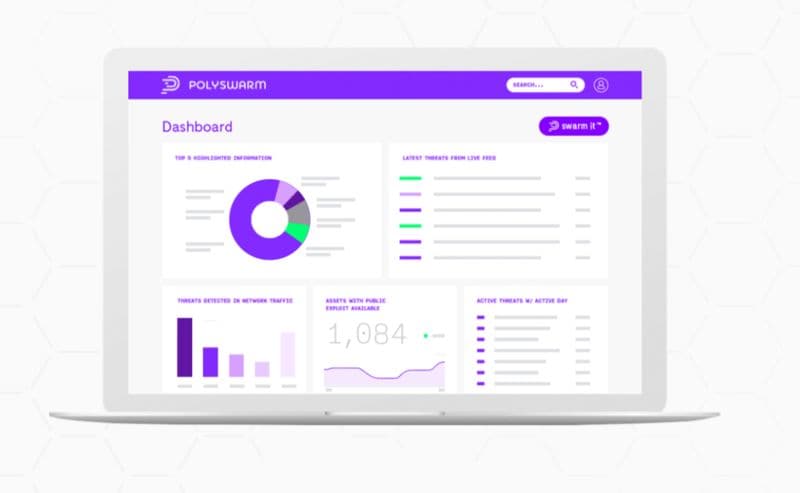
As the threat of malware continues to grow, the development of specialized malware-fighting marketplaces is becoming increasingly important in the fight against cyber threats.
Workshop question
Trend signals
Trend score 3.6 out of 10, from popularity 55%, activity 45%, freshness 8%.
Evidence
The Gadget Flow Online Marketplace Now Offers AR Product Previews
The e-commerce industry stands to benefit from AR product previews, attracting customers with a more engaging and interactive online shopping experience.
'Artfinder' Uses Artificial Intelligence to Match Users to Works of Art
Art marketplaces are embracing artificial intelligence to enhance the user experience, offering personalized recommendations and expanding access to a wider range of art.
The 'Sharehive' Freelance Marketplace Uses Skill as Currency
The Sharehive model presents a disruptive innovation opportunity for the freelance platform industry, encouraging them to incorporate skill bartering features to attract and engag…
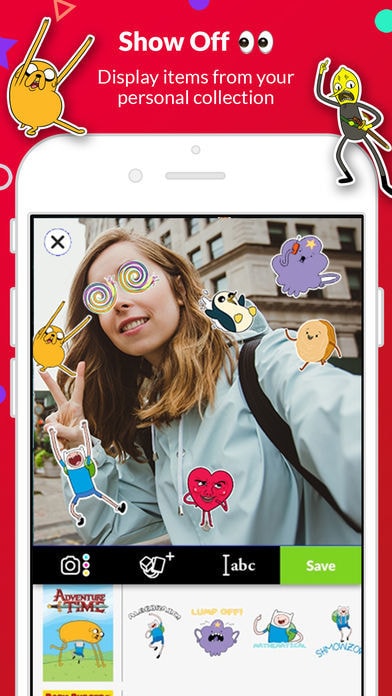
'Quidd' Helps Users Acquire Digital Collectibles Like GIFs & Stickers
The increasing popularity of digital collector apps highlights the need for businesses to develop user-friendly mobile applications specifically designed for acquiring and trading…
The Polyswarm Project Uses Cryptocurrency to Promote Cybersecurity
The cybersecurity industry can leverage specialized marketplaces and cryptocurrency rewards to drive innovation and develop new solutions for combating malware.