Category
Lifestyle
Baseline Support
Consumers begin fermenting produce harvested at home.


What's Happening
Homespun Preservation: As consumers look to make more responsible dietary choices, many individuals are investing in at-home fermentation equipment. Often sold in all-inclusive kits able to produce a variety of fermented foods, the investment suggests that consumers view their health maintenance as new kind of hobby. In addition to highlighting the interest in consuming health-supporting foods, this shift also speaks to the consumer attitude that self-produced goods are the best way to ensure quality.
Evidence
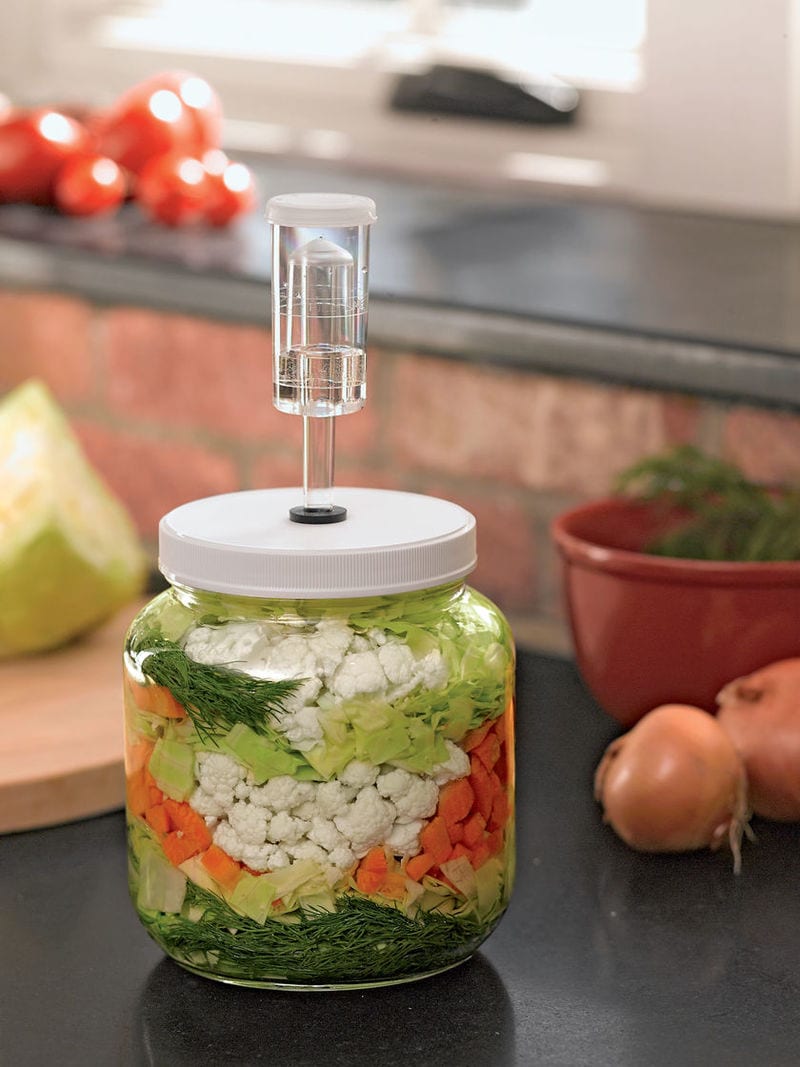
This Small Batch Fermentation Kit Makes Kimchi and Sauerkraut
Home gardening is an industry that can explore making products that support small batch fermentation for DIY enthusiasts.
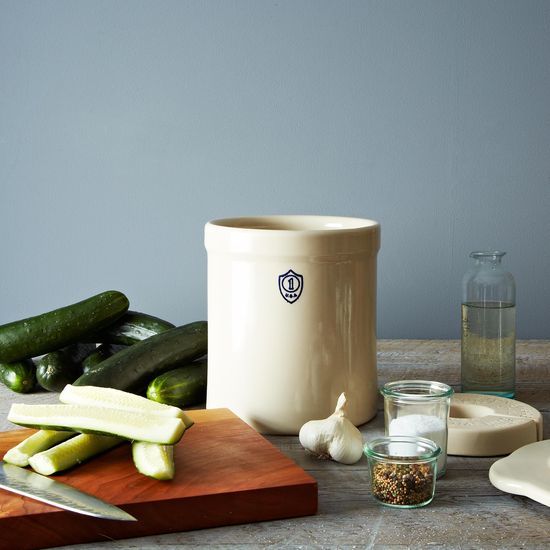
This Pickling Crock Set Makes At-Home Fermentation Easy
The demand for at-home fermentation kits presents opportunities for the kitchenware and appliance industry to develop purpose-built products for this growing market.
This Countertop Oven Produces Delicious Vegetarian Food
Tempeh-making machines can disrupt the home appliance industry by introducing innovative countertop ovens for producing vegetarian food.
This Fermentation Kit Lets You Create Flavored Kombucha Beverages
Kitchen supplies industry can explore creating sustainable and convenient home fermentation kits for homemade probiotic foods/beverages.
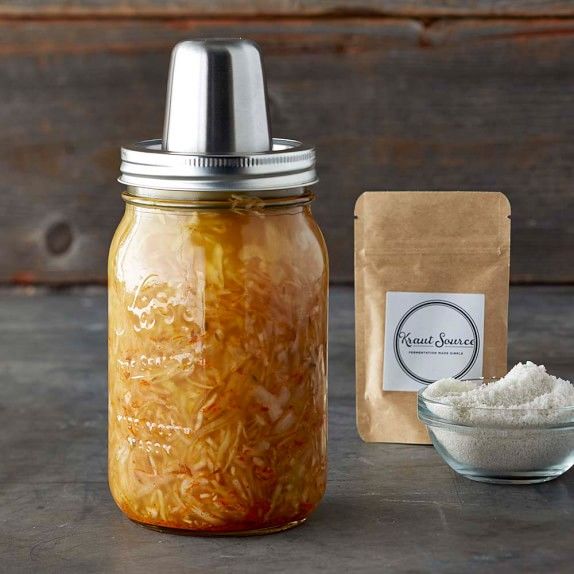
The Kraut Source Fermentation Kit Makes Natural Fermenting Easy
Innovation opportunities in the food preservation industry to develop new techniques, tools, and products for fermentation and natural food preservation.
Workshop question
How could you turn your brand offering into a hobby for consumers?
Trend signals
Trend score 2.8 out of 10, from popularity 34%, activity 41%, freshness 8%.
Trend themes
Consumers are increasingly turning to at-home fermentation for healthy food options and as a new hobby.
Consumers are seeking out probiotic-rich ingredients in fermented foods as a natural digestion aid.
SCOBY-based preparation is becoming popular for homemade fermentation products.
Industry implications
The trend towards healthier eating and natural remedies benefits this industry.
The increasing popularity of at-home fermentation supports the DIY culture industry.
Businesses that promote sustainability and natural processing methods may benefit from this trend.