When was the last time you played something just for the fun of it?
Not to improve your productivity. Not to learn a new skill. Not to create content for social media. Just because you enjoyed it.
It's an interesting question, especially when you consider how much of our lives have become optimized, automated, and increasingly digital. We've built technology that can entertain us endlessly, recommend exactly what we want, and eliminate friction from almost every experience.
And yet, something fascinating is happening in the opposite direction. Adults are buying LEGO sets for themselves. Friends are gathering for puzzle nights. Collectibles are becoming social currencies. And brands are discovering that some of their most valuable experiences happen when consumers put their phones down.
We're entering what I like to call the New Play Economy, where play is no longer something we grow out of. It's becoming something we actively seek out. And the implications extend far beyond the toy aisle.
Adults Aren't Growing Out of Play. They're Growing Into It.
The toy industry has traditionally operated around a relatively predictable consumer: children. Adults bought the toys, children played with them, and the cycle repeated around birthdays and holidays; but that model is changing.
According to Circana, adults aged 18+ accounted for 35% of U.S. toy industry sales growth from January–April 2026. This is a strong indicator of the kidult economy’s role in driving demand.Circana Report 2026
But let’s talk about why this shift is happening. Consider LEGO Botanicals. On the surface, it's a collection of buildable flowers and plants. But for an adult consumer, the appeal isn't necessarily the finished product. It's the process of building something, the satisfaction of creating with your hands, and perhaps an hour away from a screen. They're not simply buying a toy. They're buying a ritual.
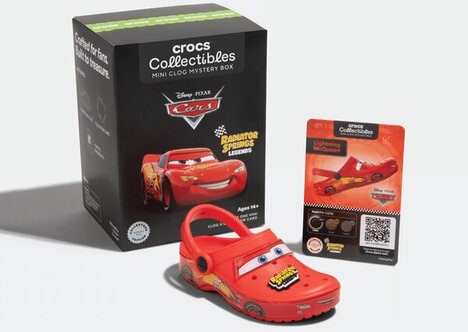
The same applies to collectibles. Whether it's Pokémon cards, Labubu figures, or limited-edition releases, the experience increasingly extends beyond ownership. It's about trading, sharing, displaying, and finding people who care about the same things you do. The product becomes an entry point into a community. That's a fundamentally different relationship between brands and consumers.
Nostalgia Is Becoming Something We Share
Of course, nostalgia plays a significant role in all of this. We've seen the return of Tamagotchi, Furby, Polly Pocket, and countless other childhood favourites. But I think brands sometimes misunderstand what makes nostalgia so powerful. It's not necessarily about bringing back an old product, but it is about bringing back an old feeling.
According to Mattel's 2026 research, eight in ten parents have introduced their favourite childhood characters to their children. For 37%, those characters have become part of their child's regular play. Think about what that represents. A parent who grew up with Toy Story can now introduce those same characters to their child, but through an entirely new experience. Mattel's Toy Story 5 range incorporates interactive features while maintaining the familiarity of characters that have been around for three decades. It's nostalgia, but with a new purpose. The parent gets the memory. The child gets the discovery. And both get something they can experience together.
For brands, this presents an interesting challenge: What if nostalgia wasn't about selling consumers their childhood back, but giving them a new way to share it with someone else?
The Most Valuable Experiences Might Be the Ones We Don't Post
Another dimension to this shift is that brands have been designing experiences around visibility. Was it Instagrammable? Would someone share it? Could it go viral?
Recently, consumers are looking for experiences that feel valuable even when nobody else sees them. Look at the growth of offline social clubs, silent reading parties, and community puzzle nights. Reading Rhythms, which started with ten friends on a Brooklyn rooftop in 2023, has expanded into hundreds of events built around something remarkably simple: people reading together.
The activity itself isn't new. The social context is.
This connects to something we've been exploring at Trend Hunter through our Intimacy Imperative research: the growing importance of depth, presence, and meaningful connection in consumer experiences.
It doesn't mean digital experiences are disappearing. Far from it, but when so much of our attention is spent navigating screens, recommendations, and algorithms, there's something increasingly appealing about experiences that ask us to be physically present.
Sometimes, the innovation isn't creating another digital interaction. It's creating a reason to step away from one.
Retail Has an Opportunity to Become a Playground
This shift also raises an interesting question about the future of retail. If consumers can discover a product through TikTok, watch someone unbox it on YouTube, and use AI to narrow down their purchase decisions, what role does the physical store actually play?
I think the answer is becoming clearer. The store needs to offer something consumers can't get from a screen.
Look at Pop Mart. Its blind-box collectibles turn purchasing into an experience of anticipation, surprise, and discovery. Rare figures encourage trading, while limited releases give communities a reason to return. The transaction is only one part of the experience. That's the bigger opportunity for retailers; instead of treating stores purely as places where consumers buy products, what if we designed them as places where people participate?
Designing places to discover, create, collect, compete, or connect changes the experience entirely. Because when consumers can buy almost anything from anywhere, the experience of showing up becomes part of the value.
Play Is Becoming Bigger Than the Toy Industry
What connects all these examples isn't a particular product category or demographic. It's a shift in what consumers want from their experiences. Nostalgia offers emotional familiarity. Collecting creates identity and belonging. Analog activities encourage presence. Intergenerational play builds connection. Experiential retail turns shopping into participation. These are different expressions of the same underlying need: people want more opportunities to feel connected, engaged, and genuinely present.
Here’s the opportunity for brands outside the toy industry. What would play look like in financial services? Hospitality? Food and beverage? Healthcare? I’m not necessarily referring to gamification, rewards programs, or another app with points and badges. But, experiences that invite curiosity, creativity, participation, and shared enjoyment.
The future of play isn't really about toys. It's about recognizing that in a world designed to capture our attention, some of the most meaningful experiences will be the ones we don't want to interrupt. Perhaps the brands that understand this won't just create things people want to buy. They'll create experiences people want to be part of.