Category
Tech
Automated Upkeep
Technology advances to offer easier navigation for the visually impaired.
Trend
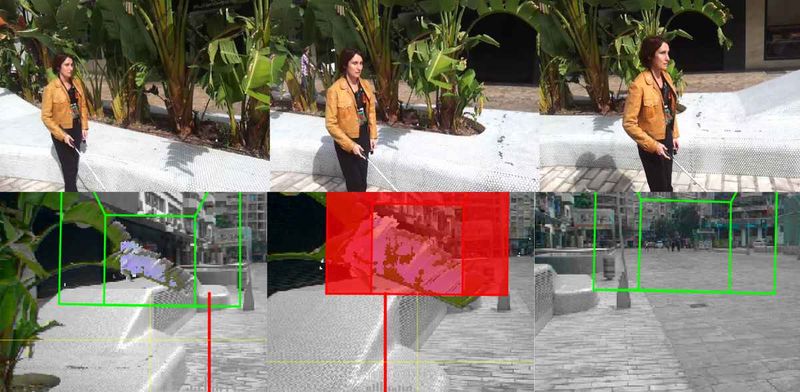
Ocular Assistance 2.0: Navigation for the visually impaired is dramatically improving with the introduction of smart technology. More specifically, technology is being implemented to anticipate and forewarn users about obstacles and obstructions that are typically unaccounted for by traditional navigational products. These innovations reflect a consumer demand for more exhaustive methods that guarantee ease and simplicity in the lifestyles of those living with disabilities.
Trend themes
Developers can innovate designs for mobile apps capable of providing reliable navigation services for visually impaired individuals.
The use of technological wearables like headsets and vibrating boots creates innovative avenues for the development of tactile guides for guiding visually impaired individuals.
There is a need for more hi-tech features that offer efficient object detection and scanning of the environment to provide an alert in order to avoid obstacles.
Industry implications
Mobile technology is at the forefront of technological innovation, and developers can leverage smartphone devices to create obstacle detection and wayfinding apps fitted for visually impaired people.
Wearable technology presents an excellent opportunity for the design of navigation aids for visually impaired individuals by providing more efficient and tactile guides for navigation and obstacle avoidance.
Assistive technology, in general, has a lot of untapped potentials that innovators can explore to provide beneficial technologies to people living with disabilities.
Trend signals
Trend score 3.8 out of 10, from popularity 60%, activity 47%, freshness 8%.
Evidence
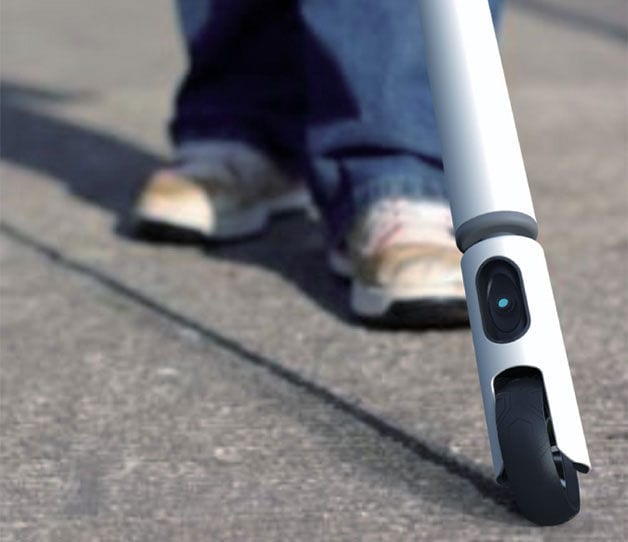
'Take Me Away' is a Smart Cane for Guiding the Visually Impaired
The healthcare industry can benefit from the development and integration of smart-assistive technology like wheeled walking sticks.
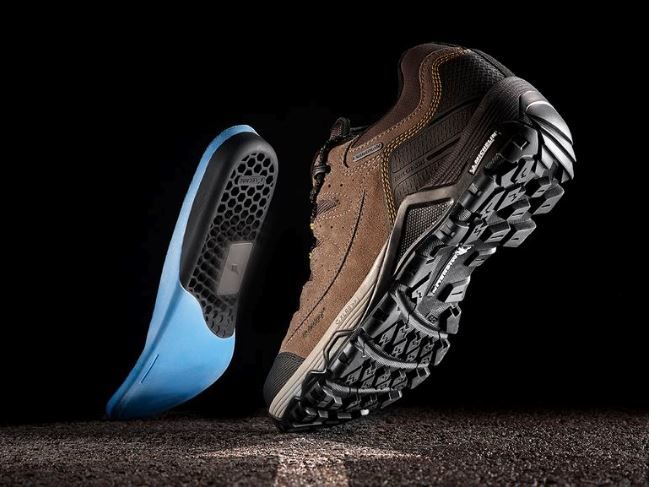
Hi-Tec's Navigator Boots Use Bluetooth to Guide through Vibrations
The use of technology in creating footwear includes opportunities for companies to develop products with unique features to cater to niche markets and increase customer loyalty an…
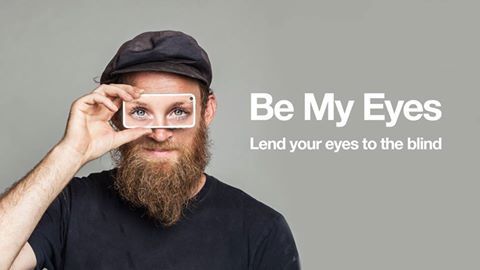
Be My Eyes is a Crowdsourced Video Chat that Helps Blind Individuals
A growing market for assistive technology companies to develop innovative products that cater to individuals with disabilities.
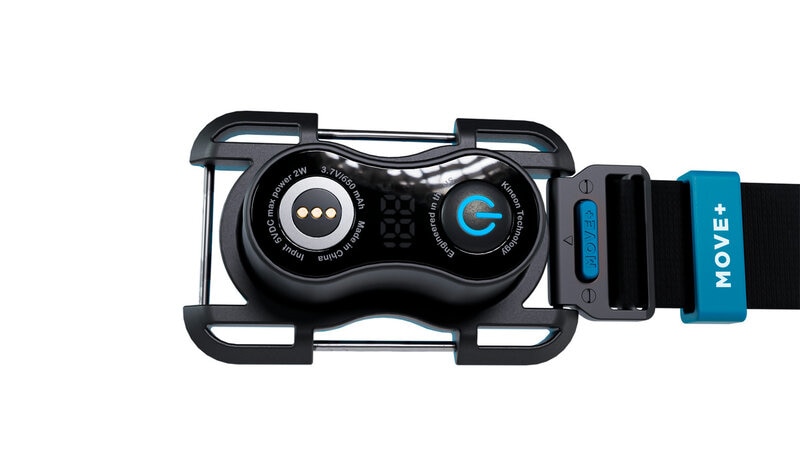
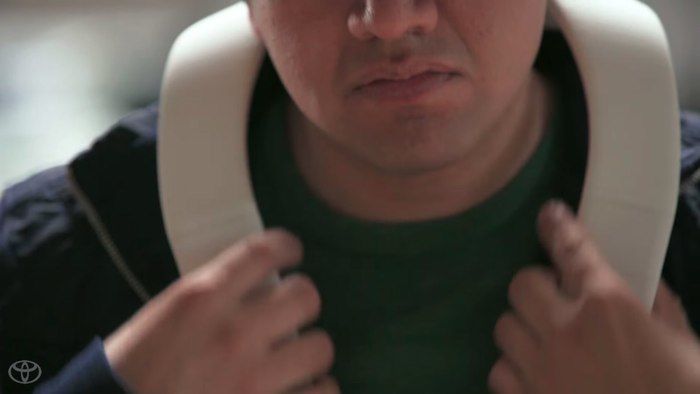
This Horseshoe-Shaped Gadget Helps Visually Impaired People Get Around
The development of wearable navigation devices presents disruptive innovation opportunities within the assistive technology industry to enhance accessibility for individuals with…
Aerial Object Detection App Keeps the Blind from Experiencing Collisions
Disruptive innovation opportunity: Use augmented reality technology to overlay visual information for the visually impaired, enhancing their situational awareness.

The Microsoft Headset Emits a 3D-Soundscape of Audio as a Guide
Companies in this industry can explore new opportunities to enhance the sensory experience of the visually impaired by creating wearable navigation devices similar to the Microsof…
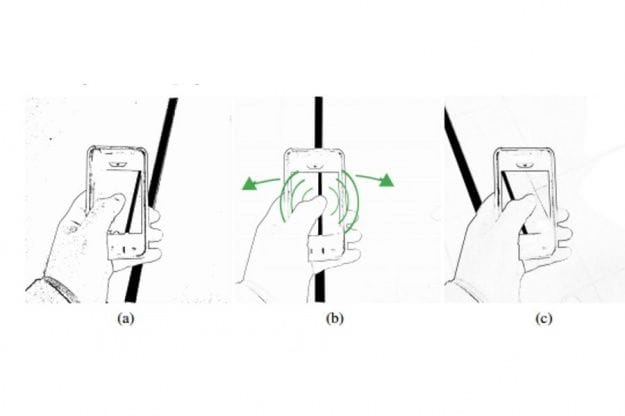
This Linear Navigation App Follows Lines on the Floor to Guide the Blind
Developing indoor navigation software for the visually impaired and incorporating QR codes into the technology presents innovation opportunities in the technology industry.