Toyota is in the process of developing a futuristic and high-tech wearable navigation device that is designed to make it a lot easier for visually impaired and blind people to get around.
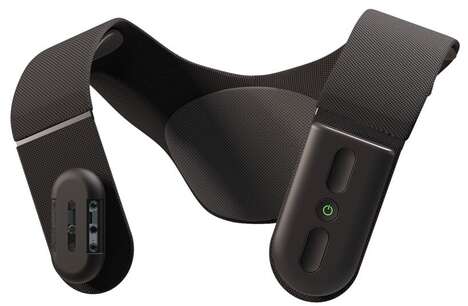
Developed via Project Blaid, this navigation device is worn around the neck. The device uses special sensors and cameras to study the surrounding environment before relaying information and cues to the wearer via special auditory and tactile cues that use vibration. The device is capable of recognizing elements such as doors, stairways, escalators, signs and bathrooms, and can enable wearers to utilize and navigate their environment accordingly.
As impressive as this navigation wearable already is, future versions are expected to be able to integrate facial recognition and object identification modules as well. This is a fine example of high technology being used to significantly improve the daily lives of people with disabilities, in this case visual impairment.
Key Themes Behind This Trend
- Wearable Navigation Devices
- Toyota's wearable navigation device for visually impaired individuals presents an opportunity for disruptive innovation in assistive technology.
- Auditory and Tactile Cues
- The use of special auditory and tactile cues in wearable navigation devices offers an opportunity for disruptive innovation in enhancing accessibility for the blind and visually impaired.
- Integration of Facial Recognition and Object Identification
- The future integration of facial recognition and object identification modules in wearable navigation devices opens up disruptive innovation possibilities in improving navigation and independence for the blind and visually impaired.
Where This Applies
- Assistive Technology
- The development of wearable navigation devices presents disruptive innovation opportunities within the assistive technology industry to enhance accessibility for individuals with disabilities.
- Technology
- The use of high-tech sensors, cameras, and auditory/tactile cues in wearable navigation devices offers disruptive innovation opportunities within the technology industry to create advanced assistive devices.
- Accessibility
- The integration of facial recognition and object identification in wearable navigation devices creates disruptive innovation opportunities within the accessibility industry to improve navigation and independence for the blind and visually impaired.