Category
Lifestyle
Serial Snacking
Consumers turn to baked alternatives of deep-fried goods.
Trend
Fried Substitution: While made-from-scratch meals offer a healthier alternative to fast food and store-bought goods, sacrificing indulgences can often make cravings exponentially worse. Seeking to maintain nutritional well-being without being too restrictive, consumers are turning to baked alternatives of high-calorie, deep-fried goods, combining fresh, homemade meals with the desire to maintain excessive comforts in everyday consumption.
Trend themes
Consumers are trusting healthier options like baked alternatives instead of deep-fried goods.
Consumers are looking for healthy alternatives in pastries and donuts that satisfy their sweet tooth.
The trend for sweet and savory food combinations is pushing innovation in pastry and dessert-making.
Industry implications
The food and beverage industry needs to innovate to cater to the demand for healthier and diverse product options.
The packaged goods industry can leverage on the trend towards homemade, healthier food options by creating premium baking mixes and kits.
The health and fitness industry can leverage the trend towards healthy alternatives by creating more recipes and products for doughnuts, pastries, and waffles.
Trend signals
Trend score 3.3 out of 10, from popularity 50%, activity 41%, freshness 8%.
Evidence
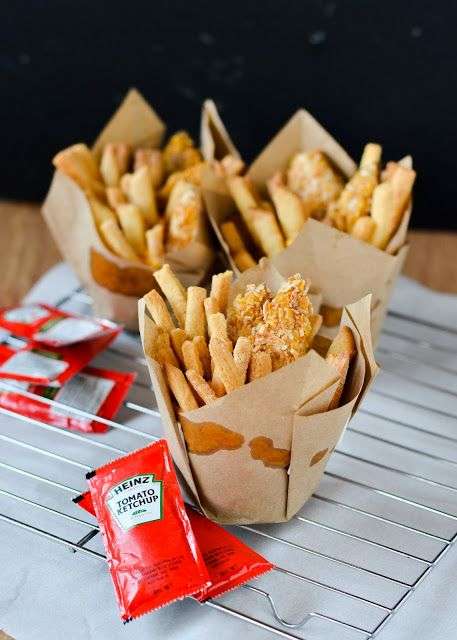
Fish and Chip Cupcakes by Belinda Lo Looks Savory but is Sweet
Bakery and confectionery businesses can utilize the trend of creating deceptive desserts for a novelty factor to cater to customers.
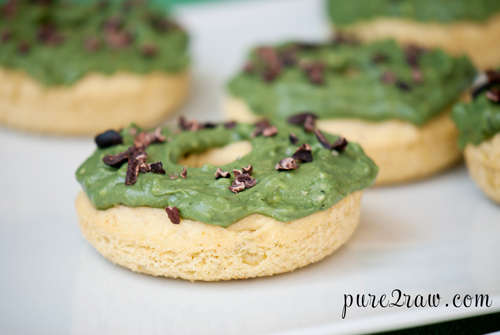
The Avocado Donut is a Healthy Gluten Free Dessert
The gluten-free dessert trend presents opportunities for food companies to develop innovative products catering to people with dietary restrictions.
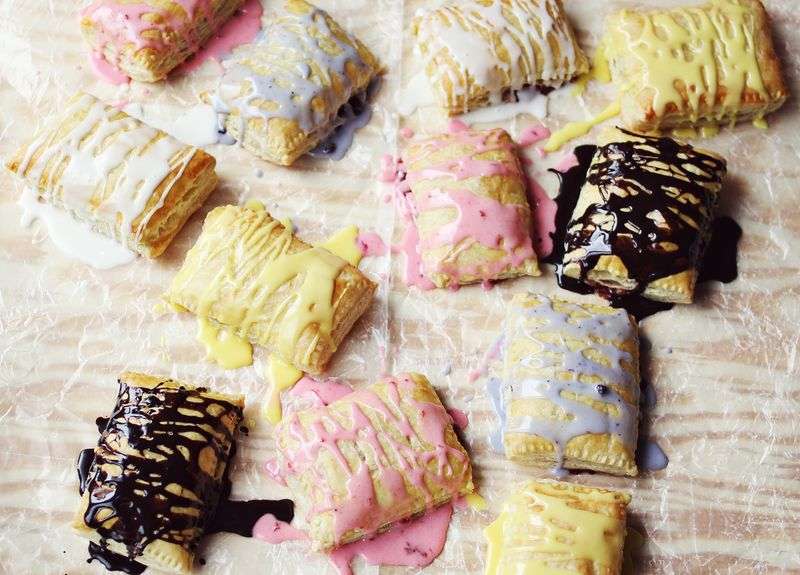
These Homemade Pop Tart Recipes are Stuffed With Sweet Fillings
Bakers can offer homemade pop tarts as a unique menu item or specialty product.
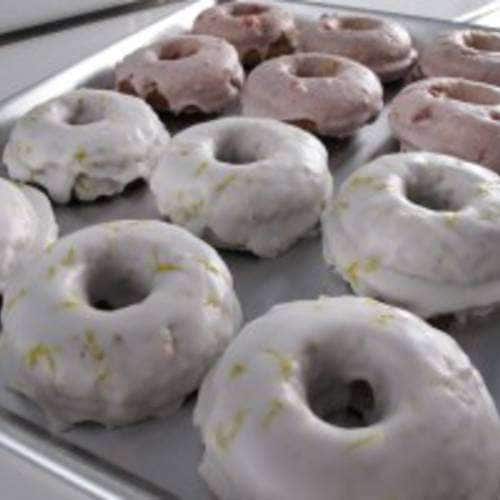
These Lemon Cakes are a Healthy Donut Alternative
Companies can explore new product lines or expand offerings to include healthier and allergen-friendly dessert options.
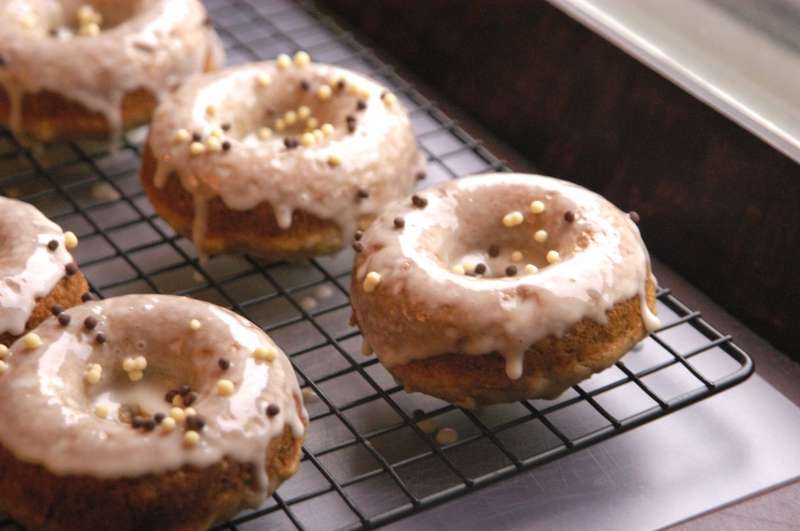
These Donuts Fuse Scrumptiously Sweet Bread into a Glazed Confection
The food and beverage industry can capitalize on these trends by offering consumers healthier and more innovative dessert options.
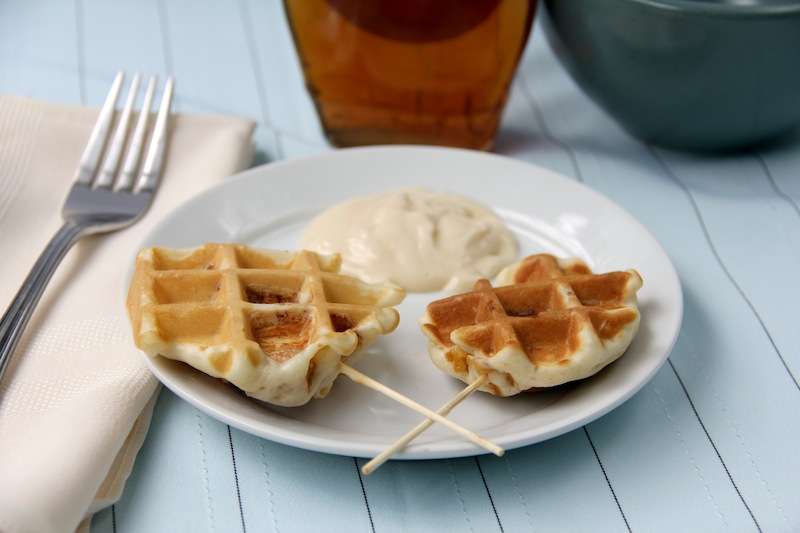
These Crispy Chicken Waffle Pops are the Perfect Portable Breakfast
Chance for the food industry to develop creative and novel products that cater to consumers' need for convenient and delicious breakfast options on the go.