Category
Lifestyle
Curated Workouts
Brands make dining and desserts social hubs mixing fun, culture, and community.
Trend
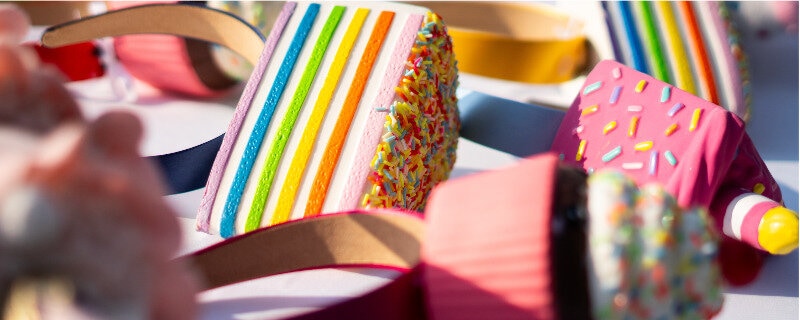
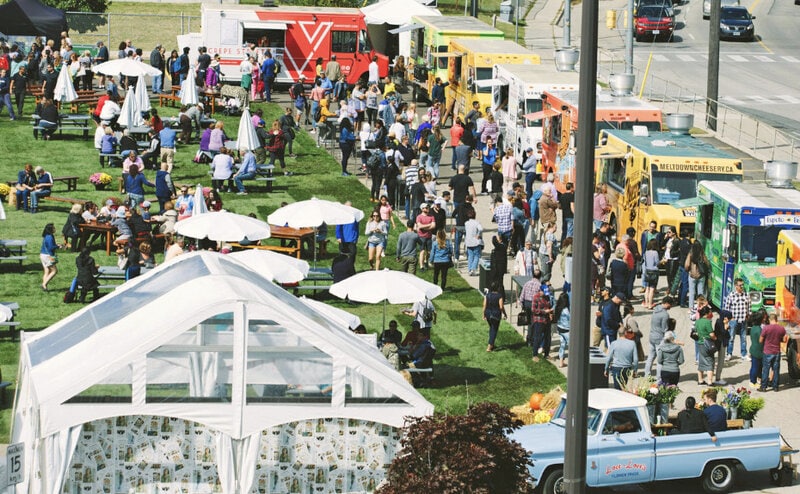
Edible Occasions: Brands are increasingly utilizing food pairings as a method of elevating an event, retail space, or other gathering. These brands are not simply offering food as a means of getting people in the door, but are using specific food pairings to tell a story, connect with customers and attendees, and create cultural moments through the combination of branding and taste-based interests.
Trigger
Consumers, media workers, and brands alike want brand events to feel unique and meaningful, rather than cold and transactional. Driven by time and money constraints, consumers and media workers alike engage in discretional spending - both of time and of capital - leading to increased scrutiny when deciding whether to attend a brand event or not. In response to these pressures, and in order to better grab the time budget of consumers, brands are integrating tailored food menus to their events to better connect culturally with audiences while elevating the quality of hosted events.
Workshop question
Trajectory
Latest reading 6.7 for the week of Aug 24, 2026. Holding over the final 3 scored weeks (±0.0), at its peak of 6.7. Momentum 3.4/10, persistence 2.5/10, backed by 4 research findings.
Evidence
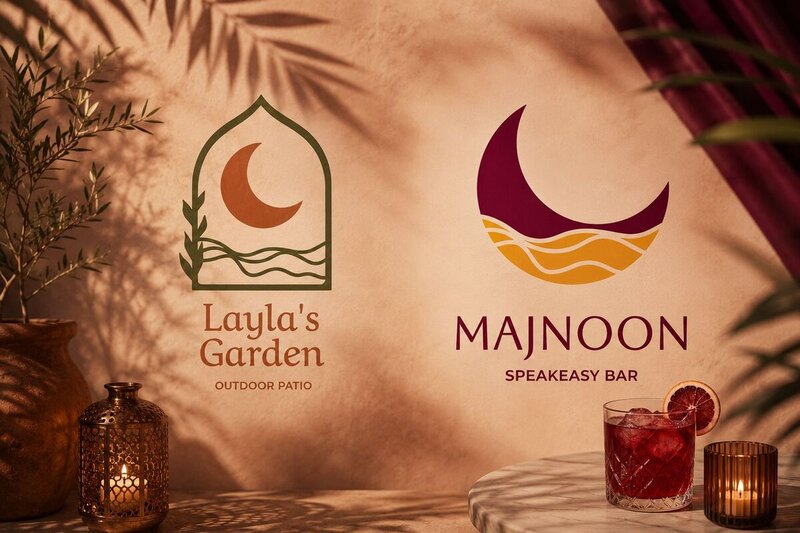
Soluna Introduces Layla’s Garden and Majnoon to the CNE for Summer 2026
Restaurants and pop-up operators can use storytelling, regional ingredients, and limited-run menus to build more memorable and shareable culinary experiences.
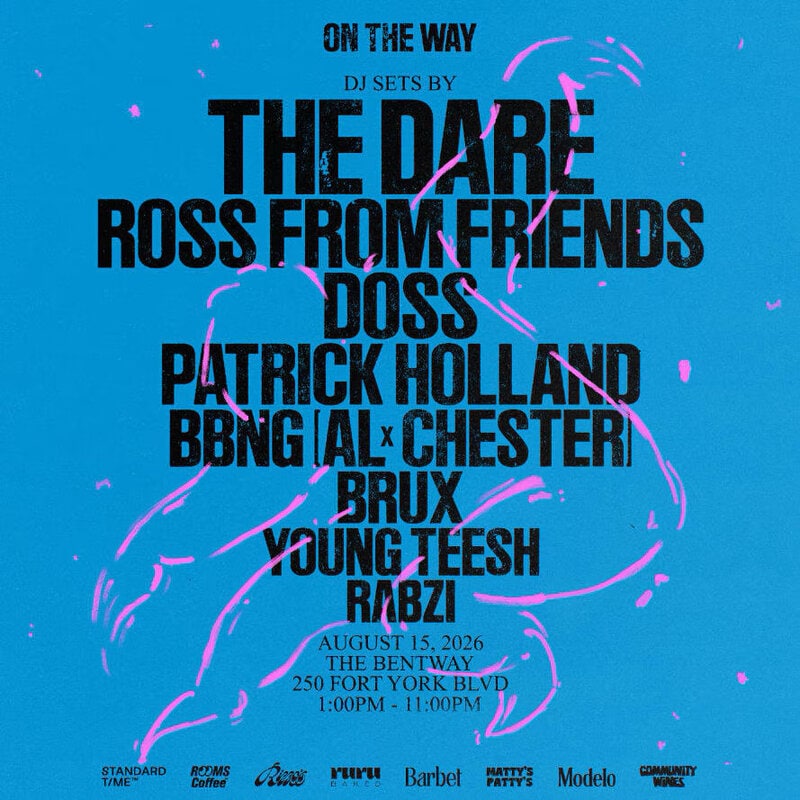
On The Way Festival Landed at Toronto's Bentway This Summer
Festival organizers can differentiate crowded event calendars by integrating local vendors and niche music programming into cohesive cultural experiences.
Le Dolci Organizes the Third Annual Cake Picnic in Toronto
Ticketed niche gatherings centered on participatory rituals offer event producers new ways to blend hospitality, entertainment, and user-generated content.
QuadReal & Cloverdale Mall Present RELISH The Foodie Event
Shopping centers can reposition underused communal space as event-driven cultural hubs that strengthen tenant value and community relevance.
8 Trend Hunter articles were grouped into the wider weekly cluster this trend was identified in, over 2 weeks.
 Sunday Dinner SocialsBirra Moretti is Hosting Intimate Rooftop Dinners at Lake Inez
 Film Festival Hospitality ProgramsThe Ritz-Carlton, Toronto Boasts Elevated Hospitality for TIFF
 Festival Hospitality PartnershipsShangri-La Toronto is an Official Hospitality Partner for TIFF
 Savory Cake Decorating ClassesOUI AïA x AHWA Put a Twist on Traditional Cake Decorating
Research
Ticketed Tables
Consumers increasingly want their dining spend to produce memory, novelty, and social value, not merely satiety.
Ticketed dinners, chef collaborations, workshops, and multisensory activations justify higher spend by turning food into an event worth anticipating and sharing.
Food-Led Voyaging
For many travelers, food is the most tangible and daily way to access place and culture.
In a social media era, a meal is both sensory experience and shareable proof of having “done” a destination properly. Destinations that treat culinary offerings as the hero—rather than the afterthought—can command premium positioning and create powerful, repeatable storylines for visitors.
Immersive Trend Pop-Ups
Online trend reports and search data can feel abstract; consumers want to "step inside" the mood boards driving culture.
Pop‑up environments let brands transform insights into something people can touch, taste, and film, satisfying both curiosity and content creation needs. By turning campaigns into limited-time places, marketers create urgency, deepen emotional impact, and generate organic social coverage that extends well beyond the event footprint.
Solo Indulgence Dining
As more people live alone, work remotely, or manage fragmented schedules, meals are increasingly personal rituals rather than fixed social anchors.
Consumers want solo occasions to feel intentional and special, not like evidence of isolation. Multi‑sensory, wellness‑linked, and aesthetically rich dining formats let individuals treat themselves, track health goals, and still generate content-worthy moments, turning a potentially lonely behavior into a form of self‑care and status expression.