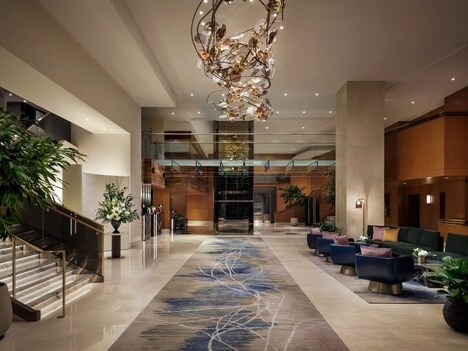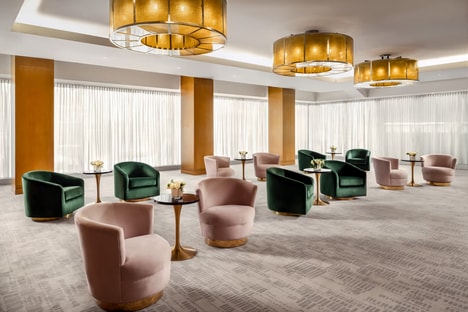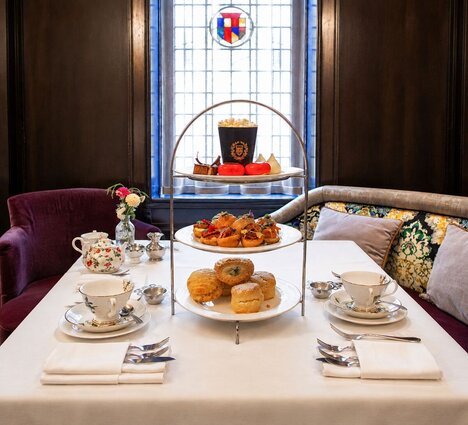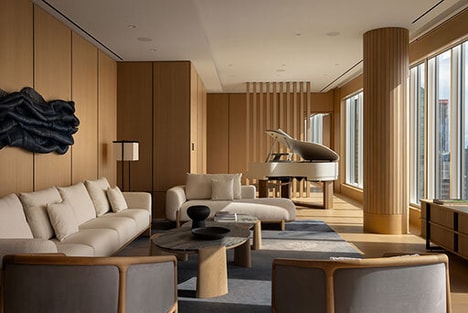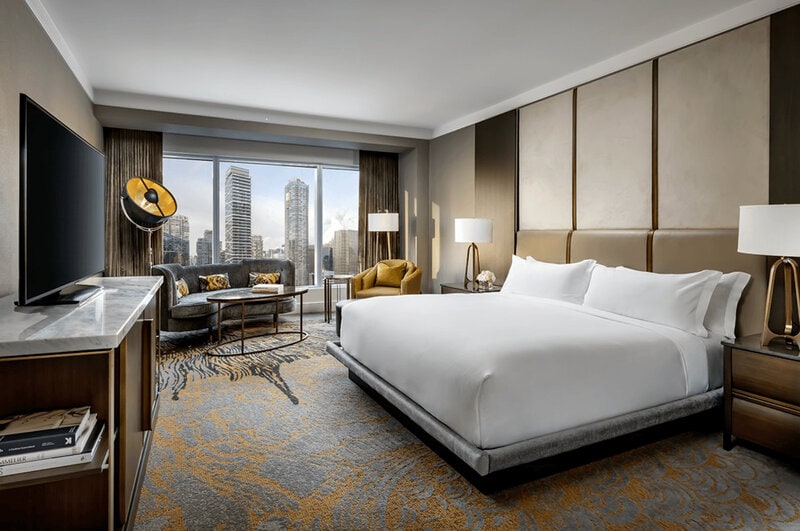
The Ritz-Carlton, Toronto has unveiled an elevated hospitality program for the Toronto International Film Festival. This strategic venture will transform the property into a premier destination with exclusive culinary programming, vibrant entertainment, and curated guest experiences across its lobby, restaurants, and in-room offerings. In addition to its elevated hospitality program, The Ritz-Carlton, Toronto is also serving as an Official Venue for TIFF: The Market, hosting filmmakers, industry professionals, and distinguished guests for official festival events and celebrations throughout the season.
The diverse dining options across EPOCH Bar & Kitchen Terrace, TOCA, and LANO cater to different moods and schedules, with EPOCH offering late-night gatherings until 2 a.m. on weekends with live DJs and TIFF-inspired cocktails, TOCA providing elevated champagne breakfasts, sommelier-led wine experiences, and an exclusive seven-course Chef's Table tasting menu, and LANO serving artisanal bites and cocktails for guests moving quickly between screenings.
Image Credit: The Ritz-Carlton, Toronto
Part of the cluster
Edible Occasions
Brands make dining and desserts social hubs mixing fun, culture, and community
Explore the cluster

What's Driving This Trend
- Festival-centric Luxury Hospitality
- Hotels are becoming cultural hubs during major entertainment events, creating premium spaces where dining, networking, and celebrity-adjacent experiences merge into destination-driven stays.
- Curated Culinary Event Programming
- Festival-aligned menus, chef-led tastings, and themed cocktails reveal space for hospitality brands to turn food and beverage offerings into limited-time experiential assets.
- Lobby-to-room Experience Design
- Integrated programming across public venues and private guest spaces expands the hotel journey into a seamless entertainment ecosystem for high-value travelers.
Who This Affects Most
- Luxury Hotels
- Premium properties have growing potential to differentiate through exclusive partnerships with cultural institutions, transforming accommodations into immersive event platforms.
- Film Festivals
- Major festivals can extend their commercial footprint through hospitality collaborations that serve filmmakers, executives, and attendees beyond screenings and formal programming.
- Food and Beverage
- Restaurants and bars within event districts gain relevance by aligning service formats, operating hours, and menus with the pace and expectations of cultural audiences.