Category
Lifestyle
Assisted Choices
Brands communicate the dangers of online activity through digital means.



Trend
Cyber Caution: The ability to broadcast and share personal information so easily online has brought challenges along with opportunity; specifically, it has opened new, uncharted dangers, both in terms of the way people represent themselves and communicate with others. By referencing Internet phenomenons such as the selfie or emojis, brands are addressing potential harms by speaking the same language as the well-versed digital natives who are most at-risk.
Trend themes
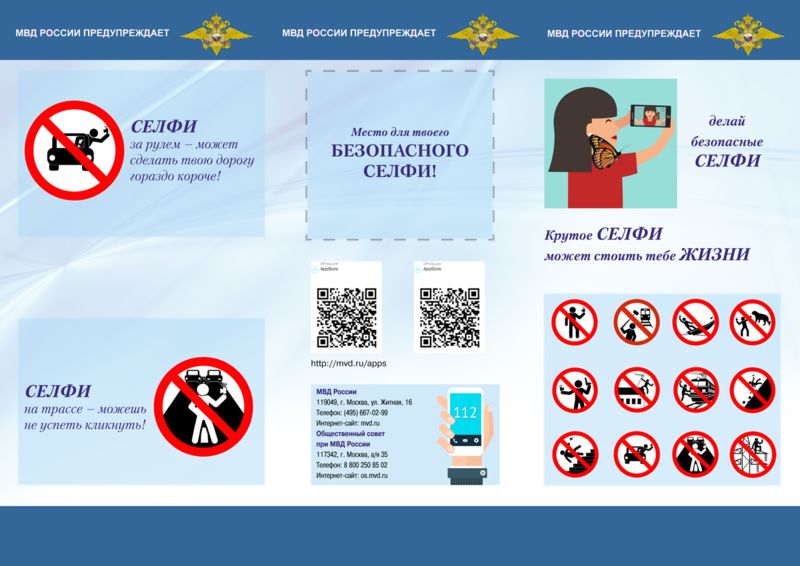
Educational campaigns and visual aids discourage dangerous selfie behavior and promote awareness of risks associated with taking self-portraits.
The use of popular emoticons to illustrate predator faces promotes online security awareness and protection.
The development of keyboard apps to replace mean words with kind ones to help prevent bullying behavior.
Industry implications
These trends aim to promote awareness of online security threats and provide tools to help people stay protected online.
Educational campaigns promoting the safe use of the internet and alerting the public to potential online dangers and predators.
Trends offering tools and safety features for better user experience and preventing abusive behavior.
Trend signals
Trend score 3.7 out of 10, from popularity 57%, activity 48%, freshness 8%.
Evidence
Innocence en Danger Uses Unnerving Human Emojis for Ad Campaign
Disruptive innovation opportunity: Implement advanced technologies or platforms that enhance child protection measures and minimize risks associated with online activities.
These Internet Safety Ads Show Haunting Faces Behind Smiley Emoticons
Internet security software companies can take advantage of this ad campaign to promote their products and services.
'Fulfiltret' is a Keyboard That Replaces Mean Words with Kindness
Disruptive innovation opportunity: Build user-friendly and effective mobile apps that address cyber bullying and promote positive online behavior.
This Campaign Illustrates Warning Signs of Risks Associated with Selfies
The expansion of selfie camera technology that incorporates safety features and alerts.