Category
Lifestyle
Assisted Choices
A desire to eliminate waste leads consumers to share and exchange food sources.



Trend
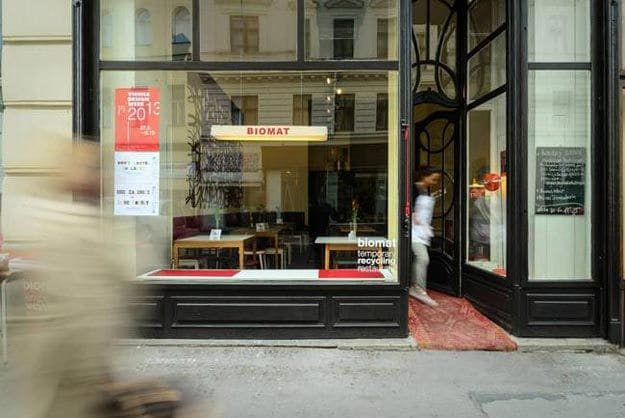
Cuisine Swap: Offering a more interactive method of conserving food, eateries and organizations are utilizing methods of bartering to offer tangible benefits for acts of environmental consideration. Utilizing mobile technology and social engagement, these bartering tactics illustrate a desire for social involvement that prioritizes personal gain.
Trend themes
The rise of bartering tactics in food industry demonstrates a desire for social involvement that prioritizes personal gain, creating opportunities for businesses to facilitate bartering exchanges.
Concepts that encourage food waste reduction, such as food sharing communities, anti-waste apps and food waste discounts, are becoming increasingly popular, providing opportunities for businesses to create products or services that encourage food savings for both individuals and restaurants.
Home-cooked meal networks, such as Mealku, are prioritizing convenient access to nutritious home cooked meals through pick-ups and deliveries, creating spaces for businesses to capitalize on services that bridge the gap between home-cooked meals and accessibility.
Industry implications
Reducing food waste presents an opportunity for hotels and restaurants to become more eco-friendly, A bartering economy within the hospitality industry could help reduce food waste and enhance customer loyalty by promoting individual gains through social involvement.
Anti-waste apps have provided supermarkets and grocery stores with an opportunity to streamline their food inventory while providing customers with discounted goods and reducing food waste. Retailers should look for sustainable solutions to food waste that benefit both their business and the environment.
Technology has enabled the food-saving industry to create more innovative and convenient methods for food exchanges and accessibility. Opportunities to create food exchange apps, technologies that enable bartering, and secure online payment systems for food-sharing communities are available.
Trend signals
Trend score 3.8 out of 10, from popularity 70%, activity 35%, freshness 8%.
Evidence
The PareUp App Lets You Buy Excess Food From Retailers at a Low Cost
The PareUp App's approach to reducing food wastage through partnerships with supermarkets and restaurants presents disruptive innovation opportunities in the food distribution ind…
Mealku Works to Let People Barter with Home-Cooked Meals
Opportunity for companies to create online platforms that connect home cooks and consumers, allowing for the exchange of home-cooked meals.
Diners Exchange Food Waste for Reduced Restaurant Rates
With pioneering restaurant programs offering discounted meals in exchange for food waste, other restaurants can follow the trend in order to reduce waste-related costs.
'Foodsharing.de' Community Exchanges Edibles to Reduce Waste
Creating tools and technologies that facilitate the reduction of food waste can create significant positive environmental and social impact.