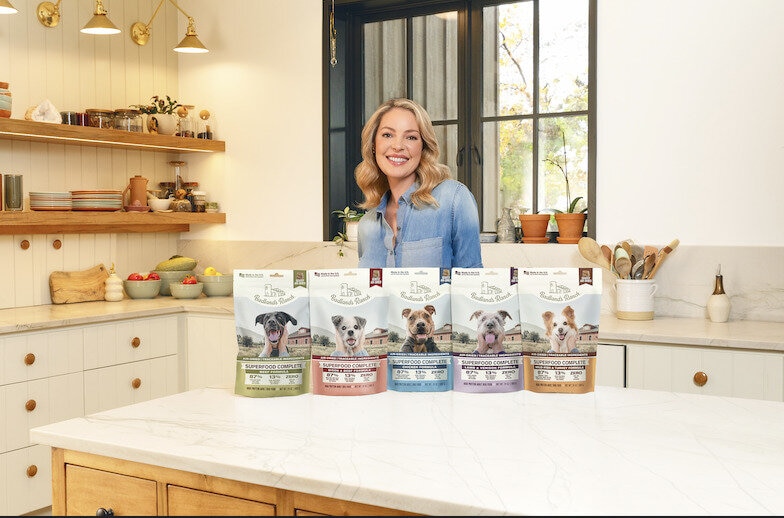
Badlands Ranch, the ultra-premium air-dried dog nutrition brand founded by actress Katherine Heigl, has announced a substantial donation of more than 650,000 pounds of its flagship product — Superfood Complete — to two Southern Nevada rescue organizations, Furgotten Friends Dog Rescue and Paw Partners Unleashed. This contribution, which was made during SUPERZOO pet industry trade show in Las Vegas and is equivalent to over 61,000 bags, will be distributed to shelter partners throughout the region via more than 23 truckloads.
Badlands Ranch's donation includes multiple protein recipes, including Chicken, Bison & Beef, Wild Fish & Turkey, and Lamb & Venison. The brand's nutrient-dense formula features 87% animal protein combined with superfoods, vitamins, and minerals.
Badlands Ranch's philanthropic effort builds upon the company's founding mission, which is rooted in the Jason Heigl Foundation established in 2008 to combat animal cruelty.
Image Credit: Badlands Ranch
Key Themes Behind This Trend
- Premium Pet Philanthropy
- High-end pet food brands are using large-scale product donations to link quality nutrition with social impact, creating new value around mission-led brand trust.
- Rescue Nutrition Programs
- Shelters and rescue networks are becoming distribution channels for nutrient-dense pet meals, expanding the role of animal welfare organizations in preventative pet health.
- Celebrity-backed Cause Brands
- Founder visibility and nonprofit alignment are strengthening emotional connections with consumers, opening space for lifestyle-driven pet brands with measurable community impact.
Where This Applies
- Pet Food
- Ultra-premium formulations with functional ingredients are moving beyond retail shelves into charitable ecosystems, reshaping how brands demonstrate product efficacy and purpose.
- Animal Welfare
- Rescue organizations are gaining access to higher-quality food donations at regional scale, supporting operational savings and improved animal care outcomes.
- Logistics
- Coordinated truckload distribution for donated consumer goods is highlighting demand for efficient nonprofit supply chains that can move perishable or specialized products quickly.