
Category
Lifestyle
Assisted Choices
Virtual and augmented reality tech shifts from fun to function through eyesight.

Trend
Connected Clarity: With smart glasses sales showing a slow incline, it seems interest in leisurely ocular wearables is not as high as expected; perhaps more purpose-driven smart glasses are the answer. The onslaught of prescription-integrated, functional smart glasses ushers in a new era of the digital age where tech is recognized less as a novelty, and more of a necessity.
Trend themes
The rise of prescription-integrated smart glasses marks a shift towards purpose-driven technology that is necessary rather than a novelty.
The development of bio-sensing contact lenses and vision-corrected VR screens offer disruptive innovation opportunities in the healthcare and technology industries.
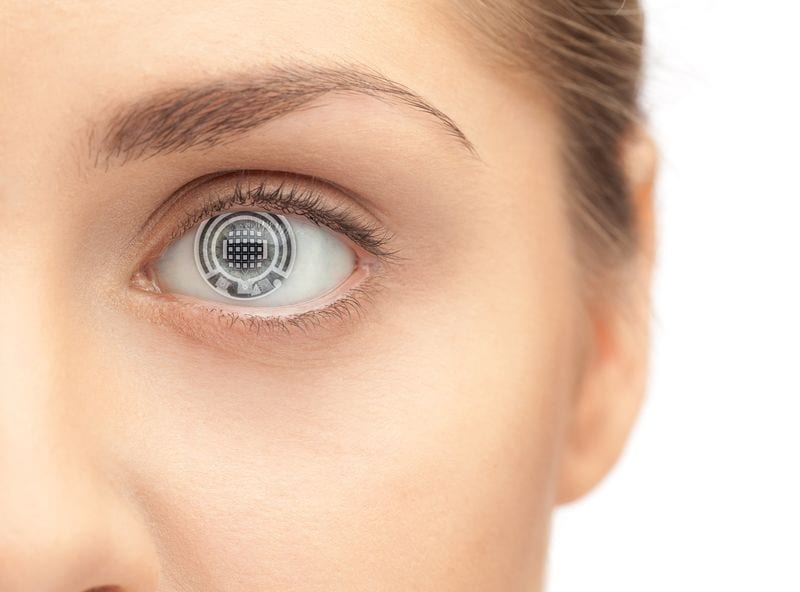
Researchers are investing in contact lens technology advancements such as tech-infused and bio-sensing lenses that have potential disruptive opportunities in the healthcare and wearable tech industries.
Industry implications
Smart glasses and bio-sensing contact lenses offer innovative solutions in diagnosing and monitoring conditions, as well as visual aids for those with vision impairments.
The rise of functional smart glasses and the development of augmented reality contact lenses demonstrate a focus on making wearable technology more practical and necessary in everyday life.
Vision-corrected VR screens and advancements in related technologies offer innovative solutions for more immersive and accessible virtual reality experiences for different types of users, including those with visual impairments.
Workshop question
Trend signals
Trend score 4.0 out of 10, from popularity 61%, activity 51%, freshness 8%.
Evidence
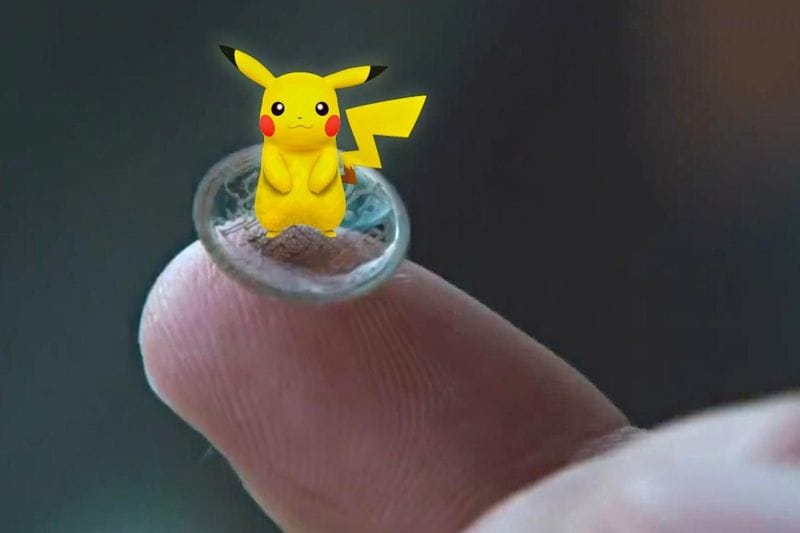
These Smart Custom Contact Lenses Could Help Pokémon Go Players
Disruptive innovation opportunities include creating new gaming experiences that integrate augmented reality contact lenses.
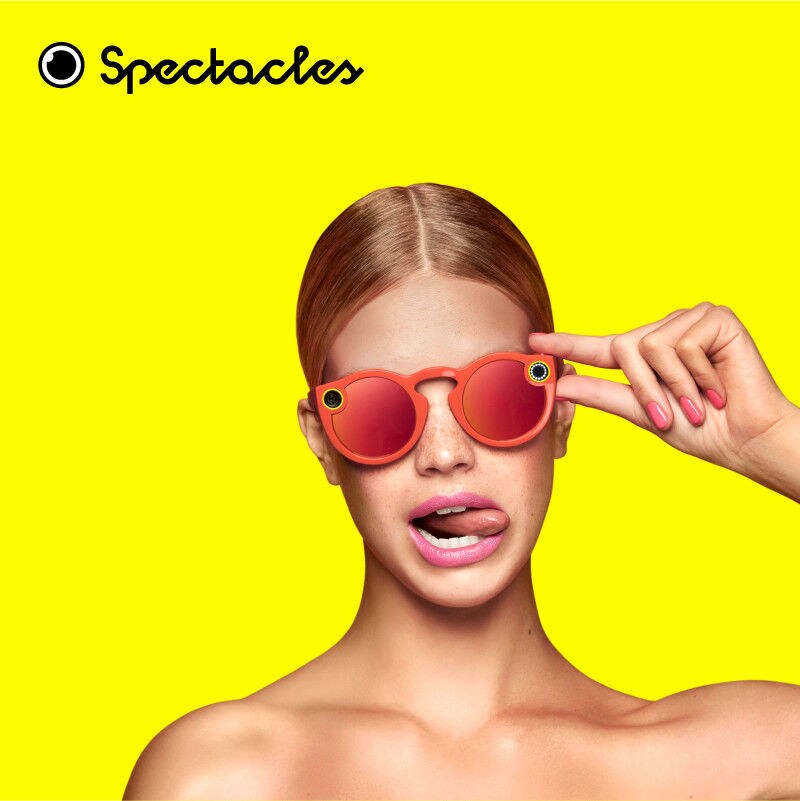
The Snapbots at Westfield Encourage Trials of Snap's Spectacles
Retailers can use connected eyeglasses to create unique in-store experiences.
These Bio-Sensing Lenses Can Monitor Telltale Signs of Disease
The development of bio-sensing contact lenses for non-invasive medical diagnostics has the potential to transform how doctors track and treat diseases.
This Mobile Vision Test Device Indicates Prescription Virtual Reality
The potential for prescription VR headsets opens up a new market for companies producing VR technology, and could lead to more customization options and experiences.
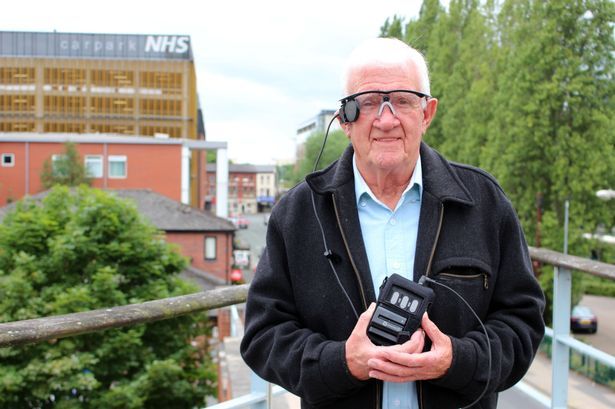
The 'Argus II' is a Vision Aid that Sends Video to the Wearer's Brain
The development of innovative, implantable medical devices for vision restoration represents a significant opportunity for growth and expansion within the industry.