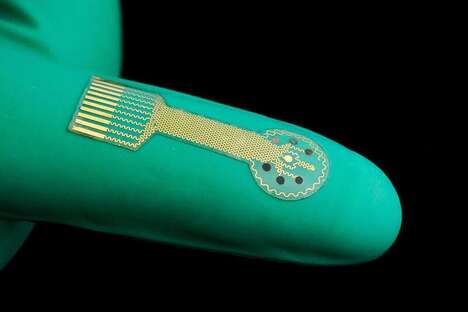
They say that the eyes are the windows to the soul, but with the new bio-sensing lenses from researchers at Oregon State University, eyes can be the windows to the body as well. The technologically impressive contact lenses, which were conceived of by Gregory S. Herman, PhD, are completely transparent, but they use electrochemical components to monitor various metics like blood glucose levels — cutting out the need for even minimally invasive tests.
Herman's bio-sensing lenses use a newly invented compound composed of indium gallium zinc oxide (IGZO). The semiconductor was initially created for the world of media technology, being used for high-resolution displays on screens and improving touch sensitivity. The researchers repurposed the material in combination glucose oxidase to measure bodily glucose levels through tears (rather than blood). Eventually, the lenses will be able to transmit this data via Wi-Fi or Bluetooth.
Why This Trend Is Growing
- Bio-sensing Contacts
- Developing bio-sensing contact lenses that can monitor blood glucose levels through tears presents an opportunity for disrupting medical diagnostics.
- Transparent Wearables
- Exploring the use of transparent materials like indium gallium zinc oxide in wearable technology leads to opportunities for creating innovative products in the consumer electronics industry.
- Wireless Biometric Data Transmission
- Wirelessly transmitting biometric data through contact lenses presents an opportunity to create innovative health monitoring products for the healthcare industry.
Industries Being Reshaped
- Medical Technology
- The development of bio-sensing contact lenses for non-invasive medical diagnostics has the potential to transform how doctors track and treat diseases.
- Consumer Electronics
- Transparent materials like indium gallium zinc oxide used in bio-sensing contact lenses can be utilized in the development of touch-sensitive displays and other innovative electronics products.
- Healthcare
- Wireless transmission of biometric data through contact lenses presents opportunities for creating innovative health monitoring products that can improve patient outcomes and reduce healthcare costs.